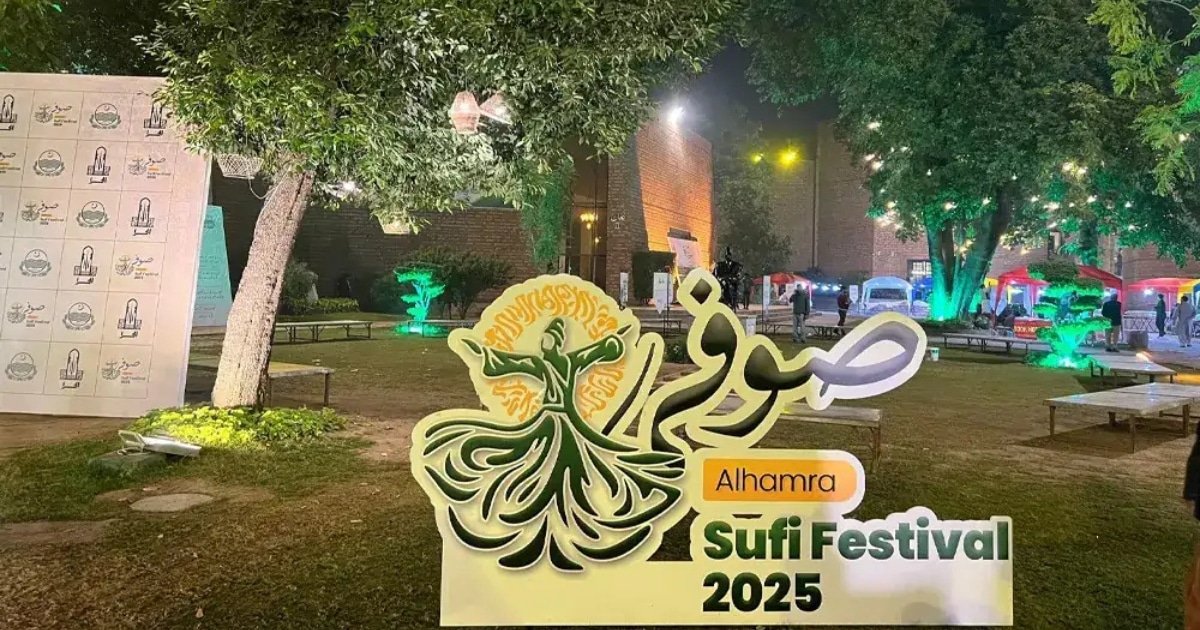

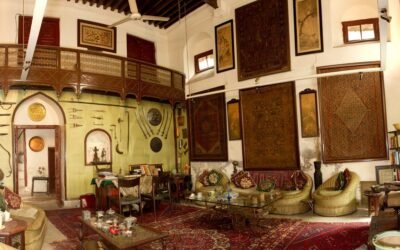



The Alhamra Sufi Festival 2025 in Lahore successfully concluded this week, demonstrating a profound public appetite for Pakistan’s spiritual and classical heritage. Yet, the resounding success of the event was simultaneously defined by a viral controversy: scenes of overwhelming, unmanaged crowds, forcing a vital public debate over the ethics and necessity of ticketing free cultural events.
View this post on Instagram
A Spiritual Oasis Overrun
While the Alhamra Arts Council was packed with attendees eager for the cultural and spiritual depth, the viral content shared across Instagram painted a chaotic picture. Videos circulating during the festival’s most popular days showed masses of people barging in with absolutely no preparation for crowd control. Attendees were seen scrambling, crushing against barriers, and struggling to find space in the packed halls dedicated to the Qawwali performances and discussion sessions.
You May Like To Read: Shiraz Calling: Culture Minister’s Visit Signals New Era of Regional Film Synergy
This online phenomenon ignited a passionate debate among netizens. One side argued fiercely: “When it’s free, this happens. There should be some sort of a ticket to manage crowds and ensure safety.” This segment champions the need for organized access, arguing that an inability to manage a free event ruins the experience for serious attendees and, more importantly, poses a serious safety risk. The core argument is pragmatic: a nominal ticket charge is a necessary mechanism for crowd filtration and financial control.
View this post on Instagram
The Debate: Access vs. Safety
The counter-argument, equally fervent, defended the principle of free public access. Proponents of open entry argue that major cultural events, especially those focused on spiritual and educational heritage, must remain accessible to all economic strata. To charge an entry fee, even a small one, risks excluding students, the working class, and families who rely on free public programming for cultural enrichment. The consensus among this group is that the failure lies not in the ‘free’ aspect, but in the lack of foresight and preparation by the event organizers. The issue, they contend, is poor governance, not the generosity of the access.
The True Cultural Significance
Despite the controversy, the festival’s artistic goals were powerfully achieved. The three-day event successfully curated a rich blend of art, literature, and music, including a massive Sufi art exhibition, a book fair, and powerful Qawwali performances. Sessions dedicated to “Punjabi Sufi Poetry and Its Message for the Youth” reinforced the festival’s core mission: connecting the younger generation with spiritual and philosophical teachings to address modern challenges.
The integration of the exhibition, featuring over 100 artworks and musical performances by artists like Tahseen Sakina, demonstrated the enduring influence of Sufism on contemporary Pakistani art and culture.
@tahseensakinaofficial Alhamra Sufi Festival 2025 | Me Nara e Mastana | Tahseen Sakina #tahseensakina #fypシ゚ #trending #alhamra #sufifestival2025 ♬ original sound – 𝗧𝗔𝗛𝗦𝗘𝗘𝗡 𝗦𝗔𝗞𝗜𝗡𝗔
Alhamra Executive Director Mahboob Alam noted that the “increased participation of young people is encouraging,” viewing the high attendance as a sign of successful cultural continuity. The unfortunate clash between spiritual devotion and logistical chaos thus offers a crucial lesson for cultural governance in Pakistan: while the thirst for heritage is strong and universal, the infrastructure for mass, free participation requires urgent, professional-level planning to ensure that cultural events are both accessible and safe for everyone.
Lahore Arts Council (Alhamra) presents the Sufi Festival 2025 — a three-day celebration honoring the rich legacy of Sufism.
From soul-stirring Qawwali and mesmerizing Raqs-e-Dervish to thought-provoking panel discussions, vibrant Kitab Mela, exhibition, Sufi singing, Dhammal,… pic.twitter.com/scLWMdW017
— Syed Umair Hassan (@UmairhassanDgpr) November 21, 2025