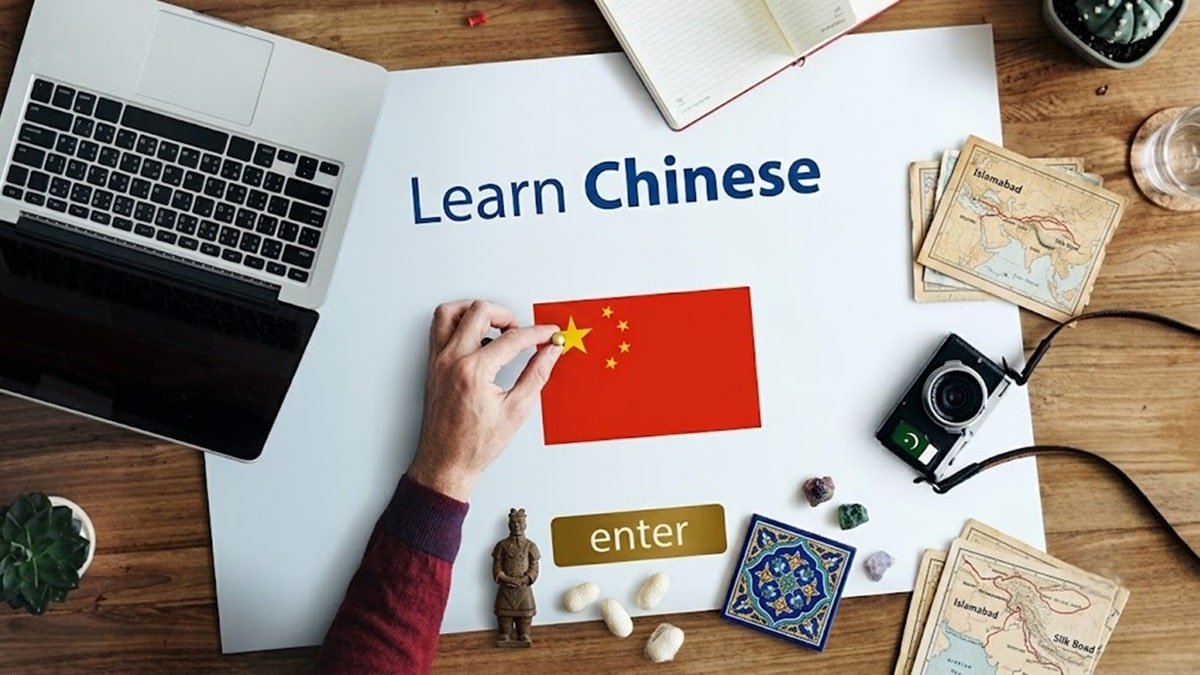



The Ministry of National Heritage and Culture, in collaboration with the China Cultural Center in Pakistan, launched the “Language of the Eastern Silk Road” initiative on Monday, opening a Chinese Language and Chinese Culture Experience Course at the Department of Archaeology and Museums (DoAM) in Islamabad. Federal Minister for National Heritage and Culture Aurangzeb Khan Khichi attended the opening ceremony as chief guest, describing language and cultural exchange as vital to strengthening people-to-people contacts between Pakistan and China. Around 50 Pakistani and Chinese participants are taking part in the course, which covers Chinese language basics, calligraphy and traditional festivals.
Key Highlights
- Ministry of National Heritage and Culture launches “Language of the Eastern Silk Road” initiative
- Course held at DoAM, organized with China Cultural Center in Pakistan and Pak-China Cultural and Economic Promotion Association
- Around 50 Pakistani and Chinese participants enrolled
- Cultural Counsellor Chen Peng highlights Gandhara-Dunhuang heritage links
- Initiative positioned alongside broader CPEC 2.0 industrial and technical cooperation
Federal Minister for National Heritage and Culture Aurangzeb Khan Khichi said language and cultural exchange play a key role in strengthening people-to-people connections and deepening the friendship between Pakistan and China.https://t.co/yartUwKFW3#Globalnewspakistan pic.twitter.com/BLKVLqbURr
— Global News Pakistan 新闻🇵🇰 (@GNPPakistan) August 11, 2026
Minister Frames Language as a Bridge Between Civilizations
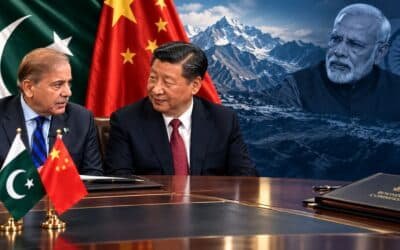
Addressing the ceremony, Khichi said Pakistan and China share an all-weather strategic cooperative partnership, describing the friendship between the two countries as “higher than the mountains, deeper than the oceans, and sweeter than honey.” He said the course was designed to serve as a long-term platform for youth cultural exchange and encouraged participants to see themselves as ambassadors of the Pakistan-China relationship going forward.
Chinese Officials Point to Shared Heritage Along the Silk Road
Cultural Counsellor of the Embassy of China in Pakistan, Chen Peng, spoke on the historical links between the two countries, pointing to the connection between Gandhara and Dunhuang as evidence of centuries-old cultural exchange along the Silk Road. He described Gandhara art as a notable example of the fusion between Eastern and Western civilizations, and noted that the Mogao Grottoes at Dunhuang similarly reflect the influence of diverse artistic traditions carried along the ancient trade route. He added that cooperation between Pakistan and China on archaeology and heritage protection had already produced tangible results, citing a recent exhibition of Pakistani cultural relics as one example.
Cultural Exchange as a Complement to CPEC 2.0
The initiative arrives as CPEC enters its second phase, which officials have described as shifting emphasis toward industrial cooperation, science and technology, and socio-economic development alongside the infrastructure-heavy projects of CPEC’s earlier years. A cultural and linguistic exchange platform aimed at Pakistani and Chinese youth fits within that broader push, offering a people-to-people dimension to a partnership more commonly associated with ports, railways and power plants.