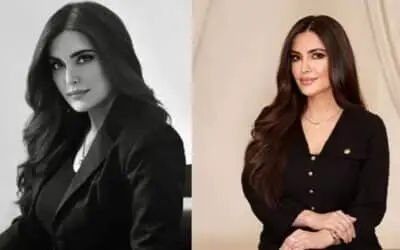




The political fashion landscape just got a powerful, minimalist update. While Mayor-elect Zohran Mamdani made history on the New York stage as the first ever Muslim to hold the office of Mayor of the city, his wife, artist and incoming First Lady Rama Duwaji, made an indelible statement that resonated far beyond the Big Apple.
Duwaji, a Syrian-American artist, chose a striking black, laser-cut denim top by Palestinian-Jordanian designer Zeid Hijazi. The piece was a subtle, yet profound nod to her Middle Eastern roots, featuring motifs inspired by tatreez – the intricate, traditional Palestinian cross-stitch. Worn at a high-profile political victory, the outfit instantly transformed into an act of cultural diplomacy and solidarity, showcasing how style can be used to champion heritage without a single word.
For those following Duwaji, the choice was entirely on-brand. The artist has long used her work to highlight political issues, particularly the plight of Palestinians and women across the Middle East. Her art has been featured by outlets like The New Yorker and the Washington Post, demonstrating a commitment to using visual mediums to speak out.
Her husband, Mayor-elect Mamdani, who has also been an outspoken advocate for Gaza, further amplified the powerful synergy. The outfit was a masterclass in non-verbal communication, showcasing Duwaji’s identity, her values, and her support for her husband’s platform, all while maintaining her authenticity.
Duwaji’s calculated choice highlights a growing global trend: political figures and their spouses are weaponizing their wardrobes to project an image or send a message. This kind of sartorial diplomacy is just as potent in the West as it is in South Asia.
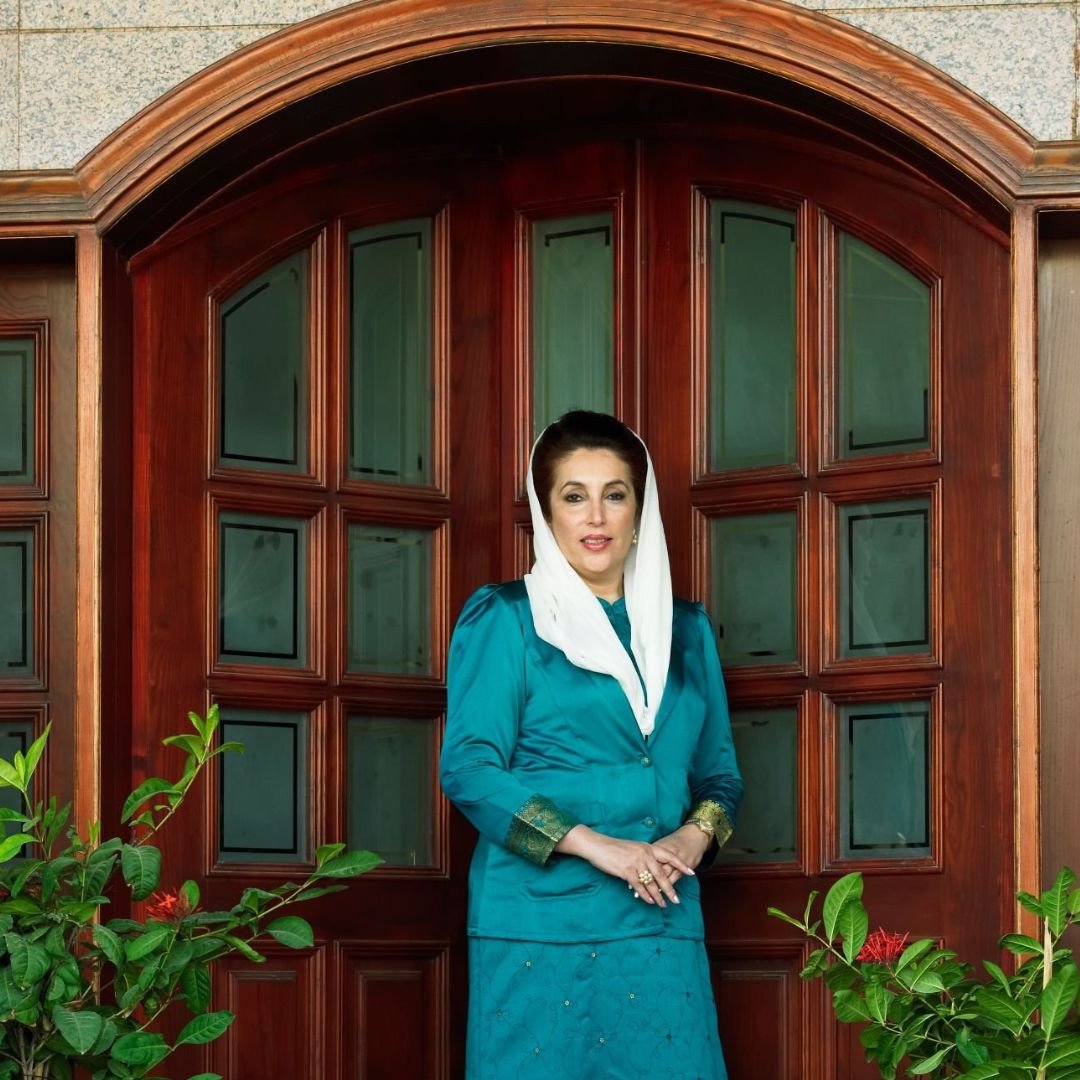
Source: gettyimages
Look at the legacy of leaders like Benazir Bhutto in Pakistan. While educated abroad and comfortable in Western wear, she famously embraced the simple shalwar kameez and consciously wore minimal jewelry (like simple glass bangles) after her marriage. It was a deliberate, visual shift to embody the role of the “people’s leader” (Awami), sacrificing her personal style for political resonance with the populace.
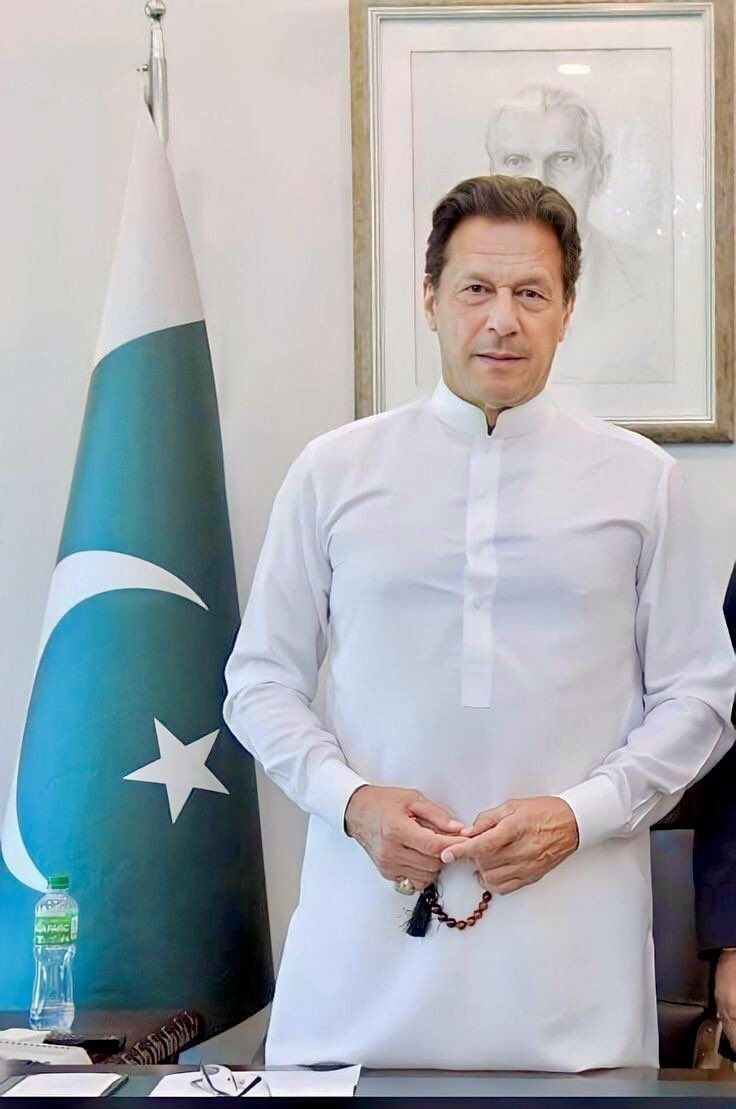
Source: Pinterest
Similarly, former Prime Minister Imran Khan made the white shalwar kameez and tasbeeh (prayer beads) his political uniform. By sticking to traditional, modest dress, even during official foreign visits, he projected an authentic, populist image designed to connect with the traditionalist, awami voter base, drawing a clear distinction from opponents seen as too Westernized.
Like these local giants, Rama Duwaji understood that her debut moment demanded authenticity. By choosing a designer and a craft, tatreez, that speaks directly to the ongoing narrative of cultural resilience, she aligned herself and her husband’s new administration with global causes, proving that the most profound political statements are sometimes woven, not spoken.
You May Like To Read: ISPR Releases Song Honouring Jammu Martyrs and Kashmiri Sacrifices
Check out our latest video: