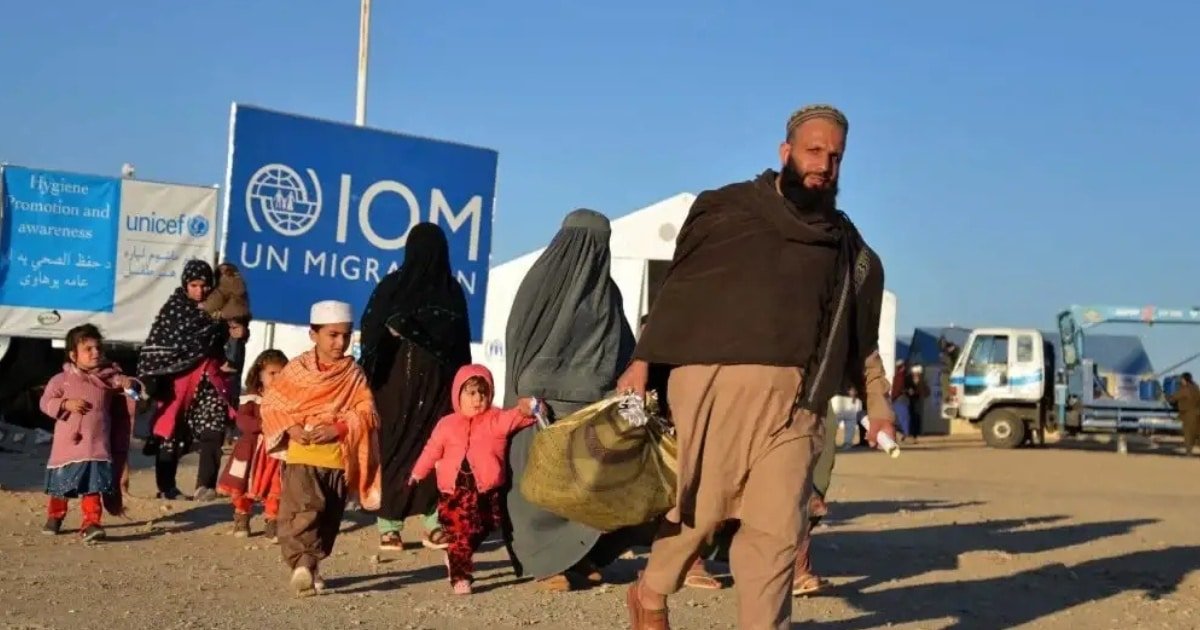

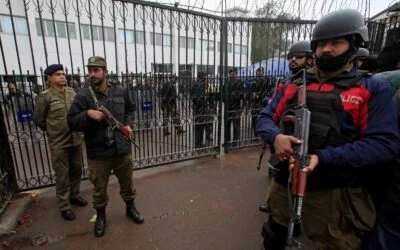



According to a recent report by the UN High Commissioner for Refugees (UNHCR) and the International Organization for Migration (IOM), arrests and detentions of Afghans in Pakistan increased by 18 percent in January.
From January 4 to 10, 73 percent of the arrests took place in… pic.twitter.com/1rAf7j8Mzz
— TOLOnews English (@TOLONewsEnglish) January 17, 2026
Key Highlights
- Arrests and detentions of Afghans up 18pc in early January compared to the previous week.
- Total Afghans arrested and detained from September 15, 2025 to January 10, 2026: 130,999.
- Breakdown by province: Balochistan (68pc, 1,489 arrests), Islamabad (19pc, 423), Khyber Pakhtunkhwa (6pc, 127), Punjab (4pc, 86), Sindh (3pc, 75).
- Among those detained: 87pc were Afghan Citizen Card (ACC) holders or undocumented Afghans; 13pc held Proof of Registration (PoR) cards.
- Returnee inflows from Pakistan dropped 17pc (averaging 2,683 per day) from December 21 to January 3, though crossings at Torkham rose 8pc.
The figures reflect Pakistan’s phased implementation of the Illegal Foreigners’ Repatriation Plan. In January 2025, the government directed Afghan nationals to relocate from Islamabad and Rawalpindi or face deportation. Further announcements in April targeted ACC holders, while a July Statutory Regulation Order (SRO) mandated repatriation of PoR card holders after their validity expired on June 30, 2025. A final deadline of September 1 was set for PoR holders to leave voluntarily.
You May Like To Read: 12 undocumented Afghans held in KP’s Landi Kotal, eight deported
Check out our latest video: