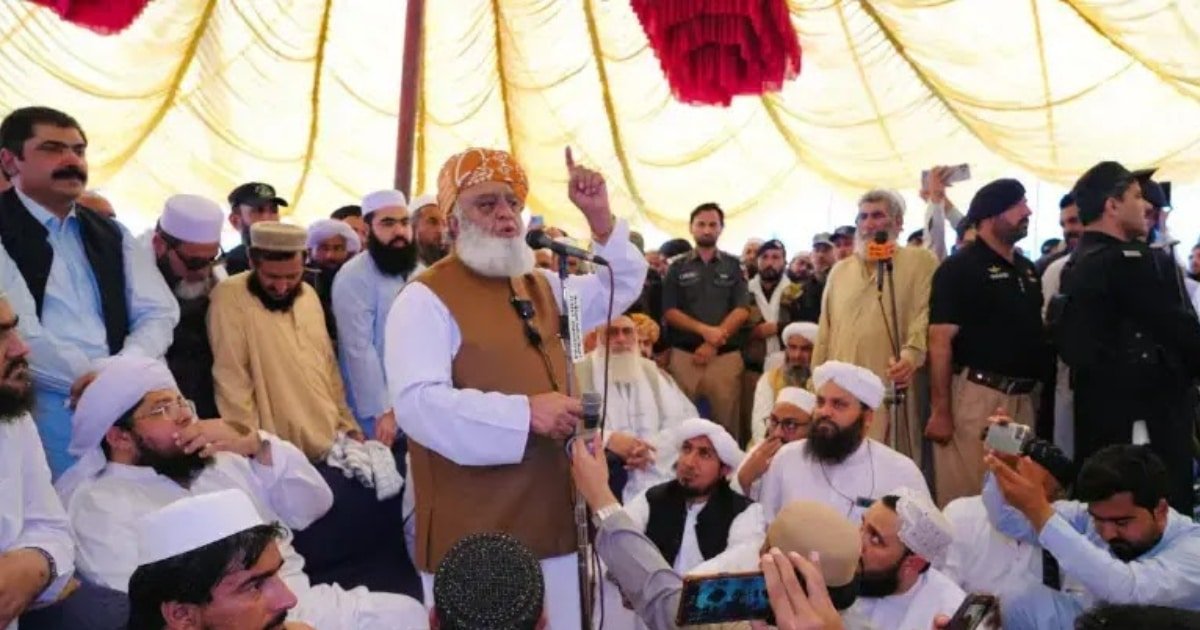





ISLAMABAD, May 9 — Senior members of the Afghan Taliban government, including Defense Minister Mullah Yaqoob and Interior Minister Sirajuddin Haqqani, contacted JUI-F chief Maulana Fazl ur Rehman on Friday to express deep sorrow over the killing of Maulana Idris. The senior JUI-F member was shot dead on May 5 in Charsadda, an attack for which the Islamic State in Khorasan Province (ISKP) has claimed responsibility. While the Afghan leadership conveyed solidarity and condemned the assassination, the outreach occurs against a backdrop of rising domestic tension, as initial findings suggest the plot may have originated across the border in Afghanistan.
According to @juipakofficial, top Afghan officials Interior Minister Sirajuddin Haqqani, Defense Minister Mullah Yaqoob & Foreign Minister Amir Muttaqi phoned JUI chief Maulana Fazlur Rehman to offer condolences for Sheikh Idrees, senior JUI leader & scholar assassinated recently
— Ihsanullah Tipu Mehsud (@IhsanTipu) May 8, 2026
Quick Facts
- High-level Afghan officials, including Mullah Yaqoob and Sirajuddin Haqqani, held separate calls with Maulana Fazl.
- Maulana Idris was killed by armed motorcyclists in the Utmanzai area of Charsadda on May 5.
- ISKP (Islamic State in Khorasan Province) has officially claimed responsibility for the targeted killing.
- The JUI-F Islamabad chapter held large-scale protests demanding the immediate arrest of the perpetrators.
- Initial investigations indicate the attack was planned within Afghan territory.
- JUI-F leadership warned they will hold the current government responsible if the killers are not apprehended.
The calls from the Afghan cabinet, including Foreign Minister Amir Khan Muttaqi and spokesman Zabihullah Mujahid, represent a significant diplomatic gesture toward the JUI-F leadership. The Afghan officials expressed their solidarity with religious students and the party, stating that the leadership in Kabul shares the grief of the Pakistani people. This communication is seen as an attempt to manage the fallout from the assassination, particularly as accusations regarding cross-border planning threaten to strain regional ties.
In Islamabad, JUI-F workers and leaders staged a major demonstration to protest the security lapse that led to Sheikh Idris’ death. Central spokesperson Aslam Ghauri addressed the crowd, vowing that the party would not let the blood of the senior cleric go in vain. The protesters criticized the repeated failures of security institutions, alleging that the state is currently unable to protect the lives and property of its citizens. The party has announced that demonstrations will continue across different parts of the country until justice is served.
With the assassination of Maulana Idrees, the toll of JUI-F members killed by ISKP since 2015 is now estimated to exceed 250.
While the 2023 Bajaur blast (63 dead) remains the deadliest, cumulative total of JUI-F supporters and leaders killed by ISKP is estimated to be over 250… pic.twitter.com/ISqvAzA5F0
— Frontier Files (@frontier_files) May 5, 2026
Regional Implications of the Killing
The claim of responsibility by ISKP adds a complex layer to the security situation in the northwest. Since the “Marka-i-Haq” conflict in 2025, there has been a documented surge in proxy-driven terrorist activity. JUI-F leaders have maintained their stance as a peaceful political entity but warned that the ongoing targeted killings of religious figures could lead to widespread instability. The development places further pressure on the Pakistani government to address the presence of militant safe havens and the operational reach of groups like ISKP.
You May Like To Read: Australia imposes counter-terrorism sanctions on Balochistan separatist group
Check out our latest video: