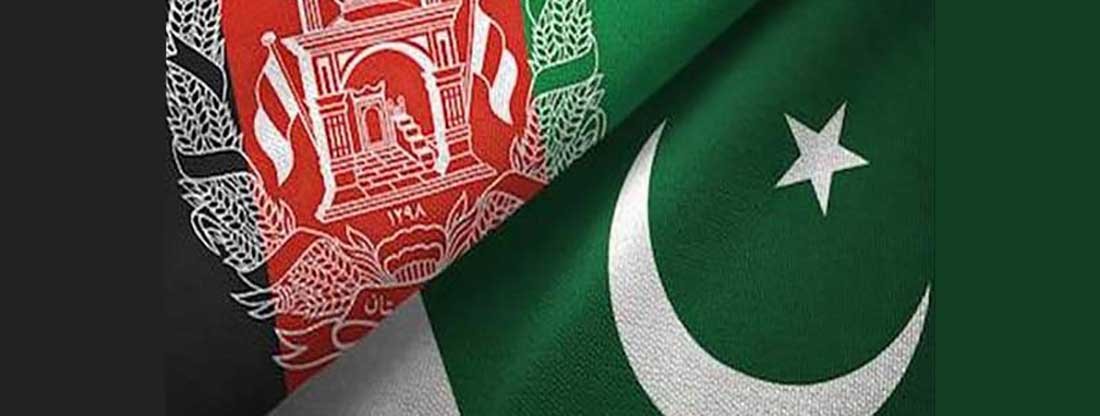





Afghan interior minister Sirajuddin Haqqani has said Afghanistan wants peace with Pakistan and does not want insecurity coming from the soil of either country. He said the problems left from years of conflict in Paktika should be solved through dialogue, not confrontation. The comments come as reports emerge of a real internal rift within the Tehreek-i-Taliban Pakistan, with a faction reportedly breaking away for the third time. But Pakistan’s official position remains the same: talk is cheap without follow-up action on the ground against militant safe havens.
Key points
- Afghans want peace with Pakistan: Haqqani calls for dialogue to settle inherited disputes
- Reports suggest renewed internal split in TTP, involving Jamaat-ul-Ahrar faction
- FO: Pakistan wants verifiable action, not assurances, from Kabul
- TTP cross-border attacks: Taliban fails to end Afghan territory use, says FO
- UN watchdog report: Taliban backing for TTP continues despite partial containment steps
Weekly Press Briefing by the Spokesperson @TahirAndrabi
Visit of China’s Sp Envoy on Afghanistan, Afgan Amb at NDU & Afghan-related Queries. pic.twitter.com/tqJFuZiQa9
— Ministry of Foreign Affairs – Pakistan (@ForeignOfficePk) September 2, 2026
Haqqani on Message for Dialogue
Haqqani’s comments follow a pattern he has repeated on more than one occasion. In another address earlier, he said Afghanistan has no spirit of revenge, and its doors for dialogue are open. Most recently, he called on Afghanistan’s opponents to lay down their arms during a ceremony marking the country’s independence anniversary in Kabul, saying security cannot be achieved through weapons alone, but through governance, rule of law and public trust as pillars of lasting stability.
Specifically on Pakistan, Haqqani has said he does not want to see problems or insecurity coming from Afghan soil to Pakistan, or vice versa. He has also cast this as an interest shared by the two neighbors that must be addressed by settling long-standing grievances through negotiation, not continued military escalation.
Internal rift in TTP
In addition to these signals from Kabul, reports indicate new divisions within TTP itself. Jamaat-ul-Ahrar, a faction with a long and complicated history within the group, has reportedly split from the TTP for a third time. The faction broke away years earlier and rejoined TTP in 2015 after mediation by local Taliban leaders but has experienced internal strain ever since, with commanders periodically criticizing the group’s central leadership over strategic direction.
An internal TTP rift is not, in and of itself, a defeat for Pakistan. Splinter factions have traditionally continued to operate on their own, sometimes with just as much lethality as the parent organization, and fragmentation can complicate counter-terrorism efforts as much as it weakens central command. Islamabad has always maintained that the real measure of success is the destruction of TTP command, training and logistics networks inside Afghanistan and not the change in the group’s internal politics.
نیشنل ڈیفنس یونیورسٹی (NDU) اسلام آباد میں
افغان سفیر سردار احمد شکیب کے خطاب کے اہم نکات pic.twitter.com/aswjkCtvPZ— امارتِ اسلامی اردو (@IEAUrduOfficial) September 2, 2026
Pakistan’s Position: Words Are Not Enough
But Pakistan’s Foreign Office has so far refused to budge from its posture despite Haqqani’s desire for peace. FO spokesperson Tahir Andrabi said in recent briefings that any progress in Pakistan-Afghanistan relations depends on concrete and verifiable steps from Kabul against TTP and other groups operating from Afghan territory, not mere assurances. Pakistan has repeatedly said the Taliban administration has not been able to ensure effective border management or fulfill its international commitments, including under the Doha framework.
This skepticism is based on documented findings. “While the Taliban have relocated some 2,000 TTP fighters and their families away from the border with Pakistan and the Taliban leader Hibatullah Akhundzada has warned the TTP not to attack Pakistan, the support of the Taliban for the group has persisted even as the TTP has increased its attacks and grown its organizational structure,” says the latest UN Analytical Support and Sanctions Monitoring Team report. Moving fighters to another part of Afghanistan does not mean Islamabad is dismantling networks that are still planning and executing attacks against Pakistan.
Diplomatic Channels Remain Open
However, the two sides have not stopped their diplomatic engagement despite the tensions. The Chinese special envoy, Yue Xiaoyong, visited Islamabad recently to help revive the Urumqi process, a mechanism for preventing further escalation between Pakistan and Afghanistan. Afghan Ambassador Sardar Shakeb is also set to speak at Pakistan’s National Defense University, a sign that both governments are keeping channels of communication open despite unresolved fundamental differences.
Pakistan’s path forward is clear – and has been stated time and again – to welcome Haqqani’s overtures for peace but to see them as a starting point and not a resolution. Until Islamabad is convinced that TTP’s infrastructure inside Afghanistan has been dismantled, not relocated or verbally condemned, official Pakistani policy will continue to be about actions on the ground, not statements in Kabul or Paktika.