



ISLAMABAD — The federal government has formally cautioned parliament of severe, overlapping risks that could derail the newly presented Rs 18.8 trillion federal budget for the fiscal year 2026–27. In a statutory statement of fiscal risks submitted to the legislature, Finance Minister Muhammad Aurangzeb and Finance Secretary Imdad Ullah Bosal outlined major vulnerabilities across seven critical economic and environmental sectors.
Key Highlights
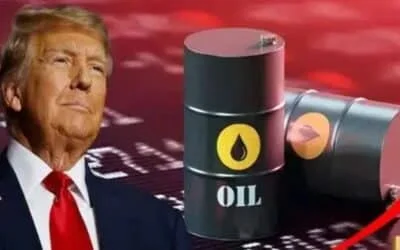
- An international oil price spike of $40 per barrel could add 0.8 percent of GDP to the fiscal deficit.
- Unforeseen natural disasters and extreme climate events pose a massive 1.5 percent fiscal hit to the economy.
- Expanded tax expenditures, exemptions, and concessions threaten to create a 1.3 percent budget hole.
- A 10 percent shortfall in targeted tax revenue collection would drain 0.7 percent of the national GDP.
- Poorly performing state-owned entities (SOEs) could require an extra 0.4 percent of GDP in state subsidies.
The federal government has warned parliament about multiple fiscal risks that could weaken its budget targets for FY2026-27. Finance Minister Muhammad Aurangzeb and Finance Secretary Imdad Ullah Bosal submitted a fiscal risk statement with the federal budget.
The government… pic.twitter.com/h7Ubaf1Z4O
— Bloom Pakistan (@bloom_pakistan) June 15, 2026
Macroeconomic Volatility and Revenue Shortfalls
The finance ministry’s detailed risk assessment indicates that external shocks, particularly the economic fallout from recent Middle East frictions, present an immediate danger. If international crude prices surge by $40 per barrel, the state may be forced to absorb the costs to protect domestic consumers. This waiver of full price pass-through would shrink petroleum levy receipts and inflate energy subsidies, widening the fiscal deficit by 0.8 percent of GDP. To cushion against these multi-layered impacts, the government has set aside a significant portion of the Rs 1.035 trillion in special grants secured from the provinces.
Domestically, slow economic activity remains a pressing structural vulnerability. A single percentage point decline in real GDP growth is projected to widen the deficit by 0.2 percent of GDP through depressed tax collections and heightened welfare spending. Furthermore, if automation and enforcement efforts fall 10 percent short of the ambitious budget estimates, the deficit will expand by another 0.7 percent of GDP, compounded by a potential 20 percent drop in petroleum levy collections.
Debt Pressures, State Outlays, and Climate Threats
Debt servicing and high refinancing requirements continue to constrain public finances. The ministry calculated that a 200-basis-point increase in domestic interest rates, paired with a 100-basis-point external rate hike, would immediately drive up interest payments by 0.4 percent of GDP. Refinancing risks linked to short-term instruments could inflate that deficit pressure to 0.8 percent. Additionally, loss-making state-owned enterprises continue to drain public resources, with potential emergency financial bailouts estimated to demand up to 0.4 percent of GDP.
Quantified Fiscal Risks to FY2026-27 Outlay
• Natural Disasters & Climate Impacts: 1.5% of GDP increase to deficit
• Unchecked Tax Exemptions/Concessions: 1.3% of GDP increase to deficit
• Global Crude Oil Price Spike (+$40/bbl): 0.8% of GDP increase to deficit
• 10% Shortfall in FBR Tax Target: 0.7% of GDP increase to deficit
• SOE Financial Bailouts & Subsidies: 0.4% of GDP increase to deficit
• Interest Rate Hikes (200bps domestic): 0.4% of GDP increase to deficit
Beyond fiscal ledger items, the document highlights catastrophic natural disasters as the largest single threat to structural stability. Lacking dedicated disaster risk financing mechanisms, an average climate or weather disaster is projected to cause a fiscal blow equal to 1.5 percent of GDP. The ministry emphasized that while mitigation pathways for green infrastructure will initially pressure public spending, proactive mitigation remains essential to safeguard the resilience of the country’s public finances.