


Education is the backbone of Pakistan’s future. Yet, children’s ability to learn is being disrupted by climate change. Extreme heat, floods, air pollution, and power outages all put schools and students at risk. But with decisive government action and community support, these problems can be turned into opportunities for a stronger education system.
School Closures Due to Heatwaves
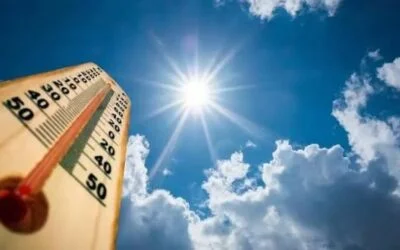
Pakistan has faced record-breaking heat in recent years. In May 2024, temperatures soared to 45°C (113°F) in Punjab. The government closed schools for a week early, affecting 26 million students, or 52% of all school-age children in the province.

Source: VOA
These closures saved children’s lives but disrupted learning and stressed families. During the heat, half the children lost valuable study days, and many experienced health issues like fainting or nosebleeds.
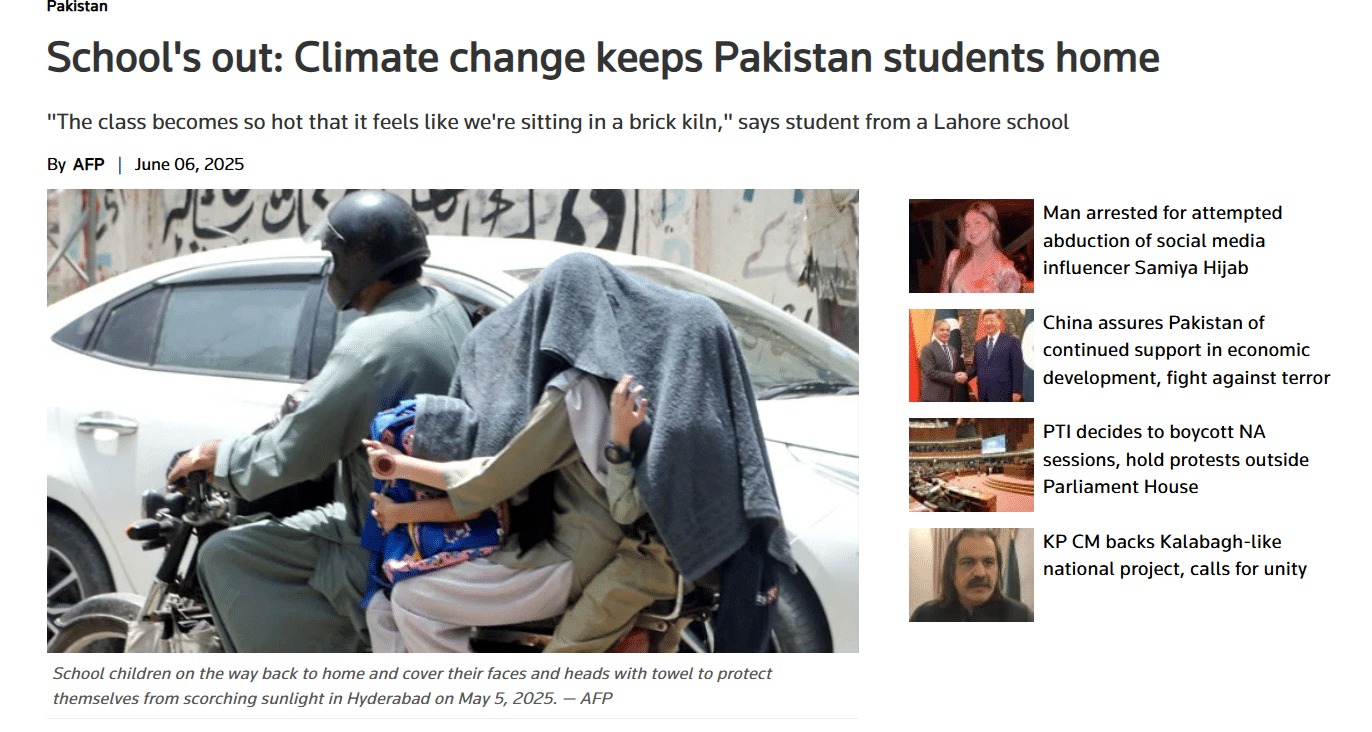
Image Credit: GEO News
Smog, Fog, and Smoke Interrupt Classes
In large cities, pollution and dense fog also force schools to shut down. Overcrowded classrooms with no air flow become unsafe when the smog is thick. In Lahore and Islamabad, schools have closed for weeks at a time, even in winter.
This disruption hits students everywhere, from rich neighbourhoods to rural poor. Sleepy kids in smog-filled classrooms have trouble focusing or even staying healthy.
Heavy Rains and Floods Damaging Schools
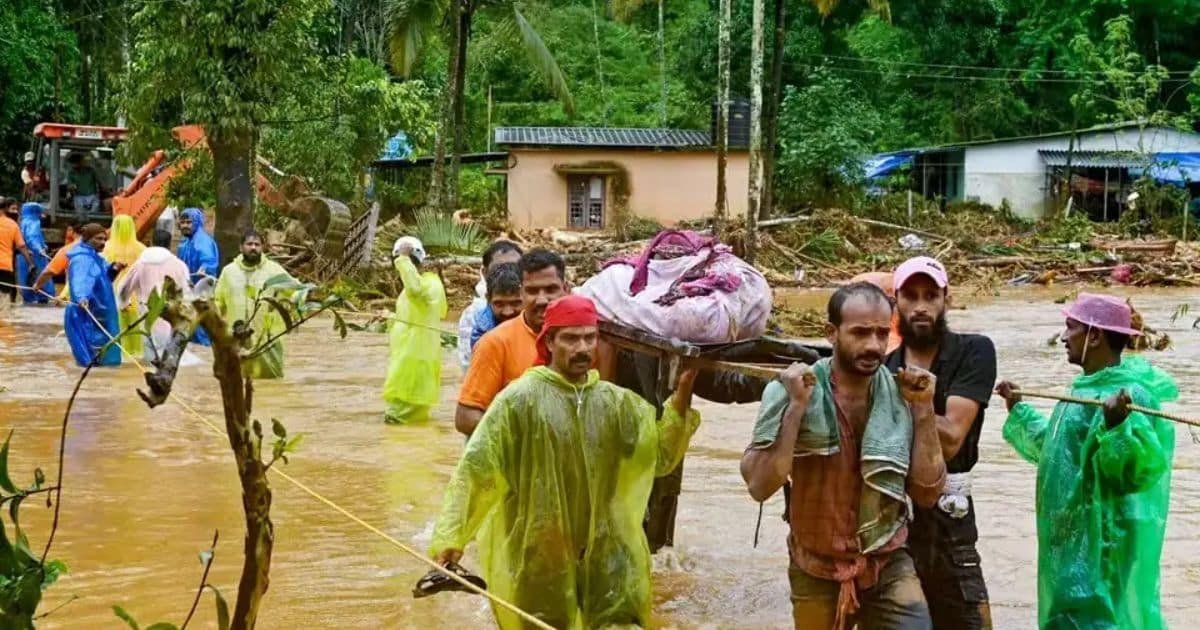
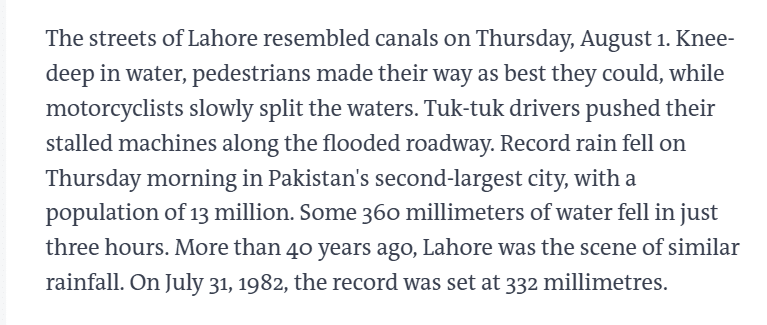
Extreme rain is another threat. During unexpected heavy monsoon downpours, like when Lahore saw 360 mm in just a few hours, schools and roads flooded.
Source: Le Monde
In Sindh, evening classes were cancelled, and over 5,000 schools were damaged or destroyed by floods in 2024. The Sindh government began rebuilding efforts under tough timelines.
The 2022 floods were devastating. They wiped out farmland, homes, roads, and schools. Around 27,000 schools were destroyed or heavily damaged. Students were forced to learn outdoors or stop learning altogether.
(Schoolvisor summary)
This worsened already high dropout rates, especially in rural and poor areas.
Displacement Hurts Student Stability
When floods or extreme weather hit, families must leave their homes. Students often lose access to school entirely. In overcrowded relief camps or new towns, there may be no room, teachers, or resources. Education becomes a low priority when families must rebuild their lives.

Source: Schoolviser
Girls Suffer Disproportionately
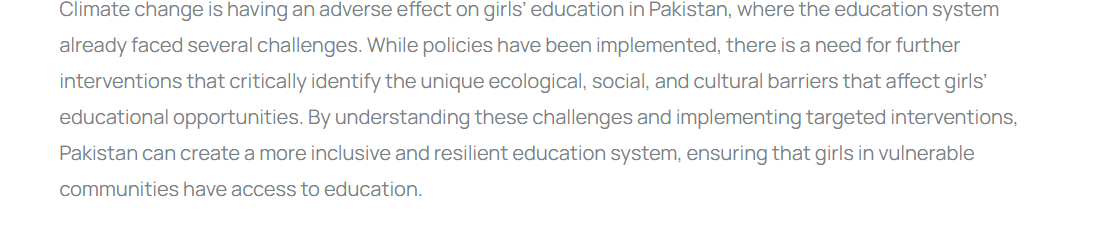
Climate shocks hit girls harder. Disasters push them into extra household work or care tasks. When families struggle after floods or droughts, girls are the first to lose school.
Source: Human Rights Welfare Society
Poor sanitation and no water in school during the hot seasons make attendance even harder for girls. This deepens the existing gap in female education.
Schools Built to Withstand Misery
Some government and international efforts show promise. The World Bank and UNICEF now support building climate-resilient schools in Sindh. These schools are elevated to avoid flooding, use solar power, and have better roofs to lower the heat inside classrooms.
These steps don’t just protect students; they ensure learning continues through heat, floods, and power outages.
Children’s Mental and Learning Strain
Beyond physical closures, climate stress harms children mentally. Heat, sickness, and loss of routine make it hard to focus. Over time, this slows learning and damages cognitive skills, especially among younger students or those in weak schools.
You May Like To Read: Impact of Global Warming on Agriculture in Pakistan
State-Led Solutions: Tools for Resilience
Pakistan is taking bold steps:
- Climate-Adapted Buildings: Building school infrastructure that stands strong in heat, floods, and storms.
- Flexible School Timings: Schools in hot areas adjust days to avoid the midday sun and keep students safe.
- Community Learning Centres: During floods or power cuts, these spaces keep children learning.
- Solar Power in Schools: Uninterrupted power ensures fans run and lights stay on.
Families and Communities Play a Role
Parents and communities must support these changes. Let schools use local meeting spaces during disasters. Promote summer catch-up classes. Teach children about floods, heat safety habits, and school safety.
Education can lead to climate adaptation, and students play an important role in that, too.
Education Must Adapt to Climate’s New Normal
Pakistan’s education system is facing a growing climate challenge. Heatwaves, smog, floods, displaced families, and infrastructure damage are disrupting learning for millions.
But Pakistan also shows resilience. The state is building better schools, protecting girls, adding stability, and supporting education even in disasters. When schools gain solar power, health grows, students learn, and communities stay safe.
This is more than survival; it is transformation. When education adapts, it becomes stronger and more inclusive. Pakistan can lead the way, for its children and for the world.
In a warming world, every school resilient against climate is a spark of hope for a brighter future.
You May Like To Read: High-Stakes, High-Altitudes: Pakistan Army in High-Altitude Warfare