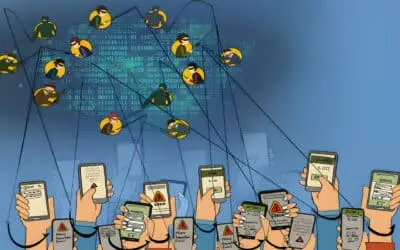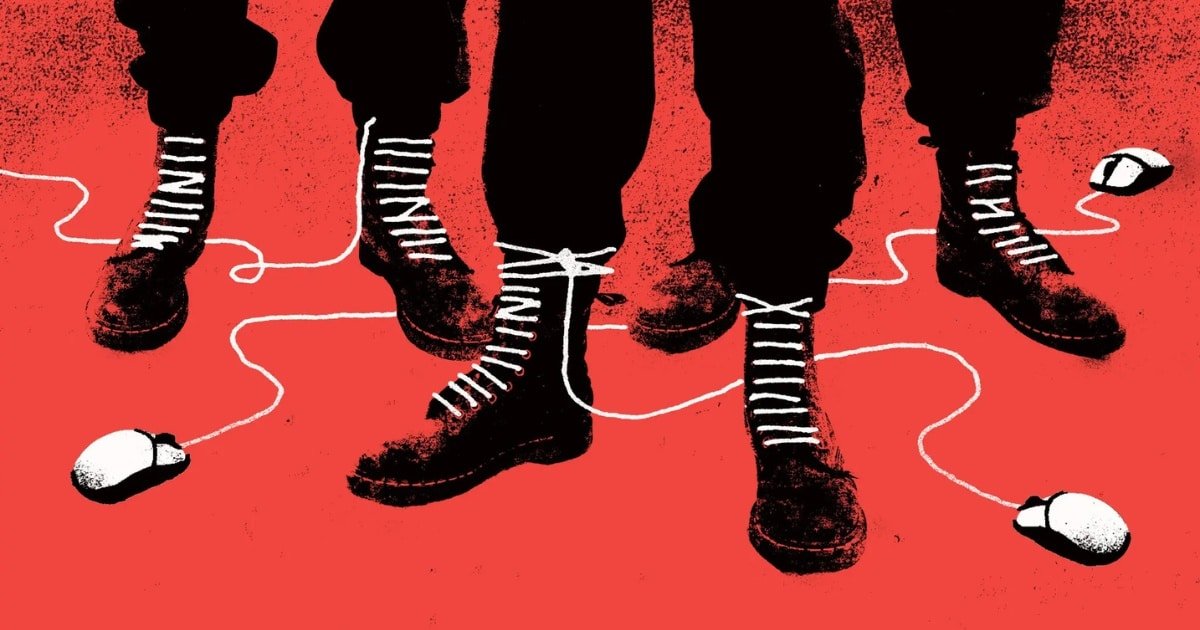


Radicalization means young people become extreme in belief or action. In Pakistan today, this often begins online. Social media makes it easy for hate and extremist messages to spread. Groups such as the Fitna Al Khwarij (FAK) and the Baloch Liberation Army (BLA) use platforms like X, Telegram, WhatsApp, and Facebook. They post videos, audios, and fiery posts to recruit youth. They team up with propaganda wings like Umar Media, which produces content in Pashto, Urdu, and English. Some young people feel poor or idle. They get drawn into violent ideas when they see posts that promise power or belonging. One female student, Talal Aziz, admitted she was lured online by BLA propaganda to carry out a suicide mission. She later surrendered to authorities.
Extremist Use of Religion and Emotion
Militant groups hide behind religion. They quote verses out of context to justify violence. They show edited videos of attacks and call attackers “martyrs.” They mix religion with emotion to stir fear or anger. This method works well in areas where digital literacy is low. When governments use faith to guide people, these groups distort teachings online. Their messages make youth feel a duty to take up arms. Online tears and chanting become recruitment calls.
You May Like To Read: The Rise of Deepfakes and Synthetic Media (IW4)
Umar Media is the official media arm of FAK. It creates slick videos and podcasts. They glorify violence and recruit youth. After the fall of Afghanistan’s Taliban, Umar Media upgraded its offerings. It now uses high-quality editing, infographics, and storytelling to reach deeply into Pakistan’s youth. BLA uses encrypted apps. They post suicide recruitment videos. They reach out to girls and young men in remote areas using hate and promises of honor.
Effect on Youth and Minorities
Online extremist content mostly reaches poor or young users. In places like Swat, Balochistan, or some rural towns, youth feel left behind. They see angry posts or feel everyone ignores them. They click extremist pages that make them feel noticed. They join private Telegram groups and chatrooms. These groups push radical ideology and ask them to act physically.
Sectarian hatred rises along religious lines. Videos or audio posts insulting minorities like Christians or Ahmedis spread fast. A false claim about a Christian man desecrating the Quran led to church burnings in Jaranwala by a mob with TLP links. Twenty-six churches were burned. The violence started after false posts online accused the man of blasphemy. This shows how hate speech online becomes violence offline.
Legal and Community Responses
Pakistan treats online radical content as a crime. Under the Prevention of Electronic Crimes Act (PECA) 2016, recruitment, funding, or encouraging terrorism online is illegal. In July 2025, Pakistan told global platforms like Facebook and X to block accounts linked to FAk and BLA. It identified over 480 accounts that glorified violence and radical content. The government asked platforms to remove them fast.
Pakistan also launched the National Cyber Crime Investigation Agency (NCCIA). This agency investigates cases of online recruiting, hate speech, and extremist content. They work under PECA to arrest individuals who post terror material.
Role of Ulema and Civil Society
Religious scholars and ulema play a big part in stopping radical messages. The government held big meetings with over 1,800 ulema. They issued Paigham-e-Pakistan, a fatwa declaring suicide attacks and terrorism haram (forbidden in Islam). This message is shared widely in mosques, schools, and online circles.
Civil society groups like the Hum Pakistani Foundation and military-run centers such as Sabawoon in Swat used peace education to bring radicalized youth back to society. Teenagers taught peace, denied hate, and unlearned violent behavior. Many returned to normal life and did not return to extremist groups.
Radicalization through social media is a new kind of battle. It does not use bombs or guns at first. It begins with fake videos, false promises, and hate-filled posts. It targets the youth, the poor, and those who feel left out. Pakistan has faced this threat for years. But Pakistan has also fought back—with law, faith, and awareness.
You May Like To Read: Weaponizing Data and Algorithms: Behind the Curtain of Manipulation (IW5)
The state is not silent. Laws like PECA 2016 give the government tools to track and remove terrorist content. The new Cyber Crime Agency works every day to stop hate speech online. The courts now treat digital terrorism as a serious crime. Global platforms are being pushed to act fast when Pakistani institutions report terror content.
But laws alone are not enough. That is why ulema, teachers, parents, and civil groups must step forward. Their voices matter. A sermon from the mosque, a lesson in school, or a talk at home can stop a young person from falling into hate. The Paigham-i-Pakistan fatwa is a decisive step. It tells youth clearly: violence is haram. Suicide attacks are haram. Hate has no place in Islam.
Civil society is also working hard. Groups in Swat, Quetta, and South Punjab now run de-radicalization centers. They help former extremists return to peace. They offer care, learning, and hope. These efforts show that change is possible.
Pakistan’s fight is not just against terrorists. It is for the hearts and minds of its future. When people understand the tricks used online to spread hate, they become strong. They protect not just themselves but their country, too.
This is not just a security fight. It is a social one. A national one. A digital one. Together, Pakistan’s people and state can stop online radicalization and protect the dream of a safe, united nation.