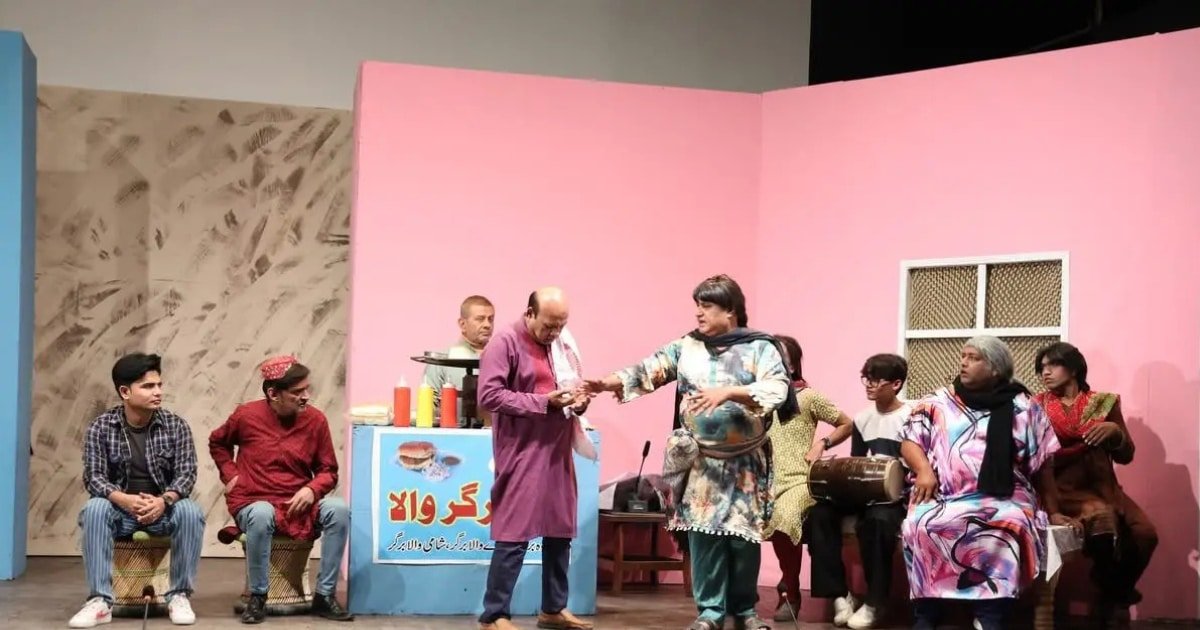



While the official month-long performances were set to begin on January 22, the Arts Council of Pakistan (ACP) Karachi kicked off the festival’s introductory phase earlier. This event, a cornerstone of Karachi’s cultural calendar, remains dedicated to providing free, accessible, and high-quality entertainment to the masses, bridging the gap between elite art and the general public.
A Heritage of Humor and Heart
During the opening press conference and preliminary showcases, Arts Council President Mohammad Ahmed Shah emphasized that the festival is more than just a series of plays; it is a tribute to the legends of the stage. Highlighting the legacies of icons like Moin Akhtar, Umar Sharif, and Sikandar Sanam, the 2026 edition aims to revive the golden era of Urdu and regional theater.
The 2026 lineup is particularly ambitious, featuring:
30 Original Productions: Spanning 25 days.
Multilingual Diversity: Plays performed in Urdu, Punjabi, Sindhi, Seraiki, Balochi, and Memon.
A Commitment to Ethics: The council has strictly forbidden vulgarity or discriminatory content, focusing instead on family-friendly, meaningful scripts.
Chief Guest Culture Minister Sindh @SyZulfiqarShah along with President ACP @AHMEDSHAHACP officially inaugurated the Awami Theatre Festival 2026. The opening night featured the play Seedhi Jalebi, written & directed by Shakeel Shah as the highlight of the evening. pic.twitter.com/gy6FQFurOT
— Arts Council of Pakistan Karachi (@ACPKHI) January 22, 2026
The Lead-Up Performances
On the opening day, the council held specialized rehearsal previews and media briefings for the opening play, Seedhi Jaleebi, directed by Shakil Shah. This debut performance, which tells the poignant story of a Khawaja Sira’s sacrifices, set the tone for a festival that prioritizes social commentary alongside comedy. The legendary classical dancer and activist Sheema Kermani also announced her participation today, confirming that her theater group, Tehrik-e-Niswan, will present the festival’s closing masterpiece, Mujh Mein Tu Maujood.
President Arts Council of Pakistan, Karachi @AHMEDSHAHACP addressing at the opening ceremony of the Awami Theatre Festival 2026.#ArtsCouncil #ACPKHI #AwamiTheatreFestival #ATF2026 pic.twitter.com/FzMZIkt8cs
— Arts Council of Pakistan Karachi (@ACPKHI) January 23, 2026
Cultural Soft Power
By removing the barrier of ticket prices, the ACP has successfully reclaimed the auditorium as a community space. For the thousands of residents of Karachi, the Awami Theatre Festival represents a rare opportunity to witness professional-grade performances that reflect their own languages and lived realities. This is a powerful reminder that theater remains a vital pulse of the Pakistani identity.
You May Like To Read: Maria B. Makes History: Landmark Debut in Dhaka