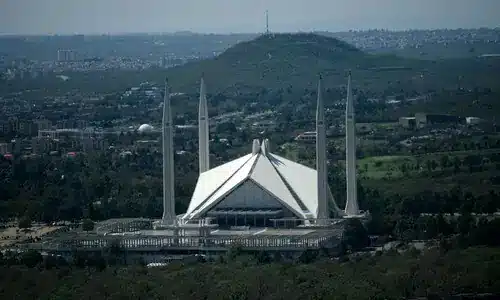





RAWALPINDI — A biting cold wave tightened its grip on the twin cities of Rawalpindi and Islamabad on Sunday, with temperatures plunging to zero degrees Celsius, marking the coldest day of the current winter season.
According to the Pakistan Meteorological Department (PMD), temperatures in the twin cities typically drop below zero in December and January. However, this winter had so far remained relatively mild, with minimum temperatures hovering between one and two degrees Celsius. Sunday’s sharp dip to zero was the lowest recorded so far this season.
“It was the coldest day of this winter season as the temperature dropped to zero degree Celsius on January 11,” a PMD forecasting officer told Dawn. She added that temperatures are expected to rise slightly over the next 24 hours due to the development of cloud cover and fog, though frost and fog may continue to affect different patches of the twin cities.
The Met Office said there was no indication of another strong cold wave from the north and that the intensity of the cold is likely to ease gradually over the coming week. “Continental air is prevailing over most parts of the country, while a shallow westerly wave is likely to affect western and upper regions on Monday,” the official explained.
You May Also Like: The Call of Love: G.N. Qazi’s Spiritual Tribute to Sindh
Cold and dry weather is expected to persist across much of the country, with very cold conditions in hilly areas. Partly cloudy skies, along with chances of light rain or snowfall, are forecast for Gilgit-Baltistan, Kashmir and adjoining areas. Moderate to dense fog is also likely to continue over Punjab, upper Sindh and the plains of Khyber Pakhtunkhwa, while frost may occur at isolated locations in the Potohar region and Kashmir during morning hours.
The PMD reported some of the lowest temperatures in northern areas, including Skardu at -14°C, Leh at -13°C, Astore at -11°C, Gupis at -9°C and Gilgit at -8°C.
Temperature drops to zero degree in twin cities. https://t.co/rOjfpTpPz5
— Dawn.com (@dawn_com) January 12, 2026
Meanwhile, residents of Rawalpindi faced additional hardships due to low gas pressure in several localities, forcing many households to rely on gas compressors, which further worsened the situation for others. The cold weather has also led to a rise in cold-related illnesses, particularly among children and elderly people.
Doctors have advised residents to increase fluid intake, especially warm liquids such as soup, and to keep their heads and ears covered. While the cold wave has boosted demand for winter dishes and seasonal foods, traders noted that high prices have dampened the usual crowds at traditional food markets in areas such as Bhabara Bazaar, Saddar and Commercial Market.
Check out our latest video: