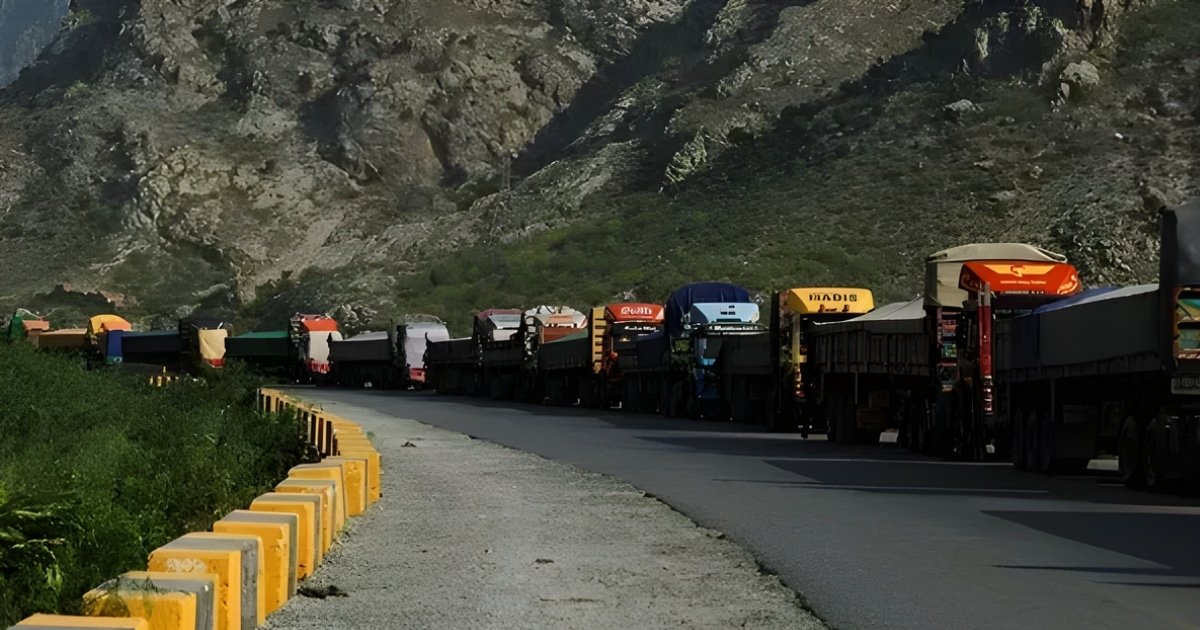





KARACHI: Repeated closures of the Pakistan–Afghanistan border have halted the pharmaceutical exports, leaving hundreds of export-bound trucks stranded at Torkham and Chaman and putting nearly $200 million worth of pharmaceutical shipments at risk, industry officials warned on Thursday.
According to pharmaceutical exporters, the disruptions have become so frequent and prolonged that they are spoiling temperature-sensitive drugs, paralysing supply chains and inflicting heavy commercial losses at a time when the industry is already grappling with high production costs and liquidity constraints.
You May Also Like: Turkish Delegation Visit Delayed Due to Taliban’s Lack of Cooperation, FO Says
Industry leaders note that Afghanistan is not only Pakistan’s largest overland trading partner, but also its primary transit corridor for access to Uzbekistan, Tajikistan, Turkmenistan and Kazakhstan. Repeated shutdowns, they say, undermine regional connectivity initiatives, including the Pakistan-Uzbekistan-Afghanistan railway and other multilateral corridor projects.
“The closures are now so frequent that they have become a structural threat, forcing countries investing in this route to look for more reliable alternatives,” said Tauqeer ul Haq, senior member of the Pakistan Pharmaceutical Manufacturers Association (PPMA).
“Almost all exports to Afghanistan have stopped. Containers carrying antibiotics, insulin, vaccines, cardiovascular medicines and other essential drugs are stuck at the border, dry ports and warehouses.”
He added that local manufacturers are already suffering irreversible financial losses, citing the case of one company with Rs850 million worth of consignments stranded at Torkham and Chaman. “More than fifty companies are facing similar setbacks,” he said.
Industry representatives warn that ongoing blockade at Torkham and Chaman is crippling pharmaceutical supplies to Afghanistan. https://t.co/38ZM1KeNO4
— Dawn Business (@dawn_business) December 6, 2025
Exporters fear that if the situation persists, Pakistan’s pharmaceutical sector — one of the country’s faster-growing high-value export industries — could permanently lose its hard-won share in regional markets.