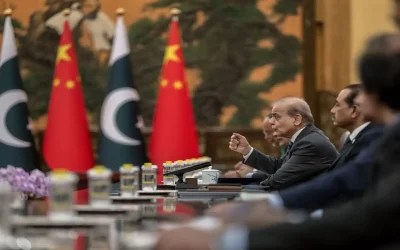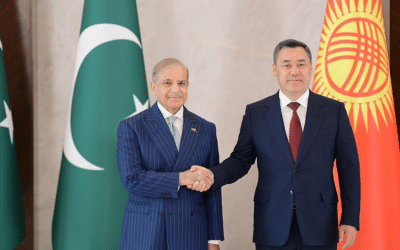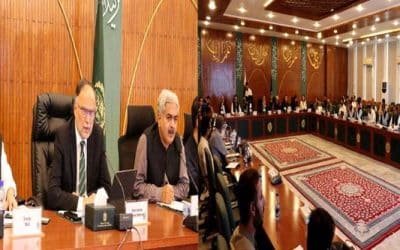




ISLAMABAD — Prime Minister Shehbaz Sharif on Tuesday delivered a reassuring message to the nation, confirming that Pakistan has successfully averted an energy crisis and maintained its export momentum despite the severe maritime disruptions caused by the US-Iran conflict. Presiding over a high-level meeting on long-term energy planning, the Premier attributed this stability to the country’s strategic shift toward renewable energy and proactive diplomacy.
Pakistan’s renewable energy capacity shielded the country from an energy crisis despite regional oil supply disruptions, Prime Minister Shehbaz Sharif said Tuesday, as the government moves to accelerate a sweeping clean energy expansion and protect export routes to Gulf markets. pic.twitter.com/pskN4qLc56
— Pakistan TV Digital (@PakistanTVcom) April 7, 2026
Key Highlights
-
Energy Security: No electricity shortages reported despite global oil supply shocks; 55% of Pakistan’s power is now generated from renewable sources.
-
Export Growth: Demand for Pakistani agricultural and textile products is rising in Gulf markets, with maritime routes remaining operational.
-
Future-Proofing: Orders issued to fast-track the Battery Energy Storage System (BESS) to stabilize the solar grid.
-
Decade Plan: A roadmap is underway to shift Pakistan to 90% renewable energy within the next ten years, reducing fossil fuel dependence to just 10%.
Renewables: The Shield Against Global Volatility
The Prime Minister emphasized that the “Green Transition” has acted as a vital buffer during the ongoing Middle East tensions. By leaning on solar and hydel power, the national grid remained stable even as global crude prices fluctuated wildly due to the blockade of the Strait of Hormuz.
“Solar and renewable sources are the future of our power sector,” the PM stated, directing authorities to finalize a comprehensive national strategy to expand this footprint. To address the intermittent nature of solar power, the government is accelerating the BESS project, which will allow the grid to store excess energy for use during peak night hours.
Diplomacy Keeps the Ships Moving
Despite the regional war, the Prime Minister noted that “successful diplomacy” has ensured that Pakistani exports to the Gulf continue without interruption. To further bolster this, he directed the Pakistan National Shipping Corporation (PNSC) to mobilize additional vessels and optimize maritime routes.
The briefing revealed a particularly high demand for Pakistani agricultural products in Gulf countries—a sector the government intends to capitalize on as regional competitors face supply chain hurdles. Deputy PM Ishaq Dar and Finance Minister Muhammad Aurangzeb highlighted that diplomatic engagements are ongoing to ensure that the “Islamabad Bridge” remains a corridor for both peace and trade.
Judicial & Strategic Cooperation
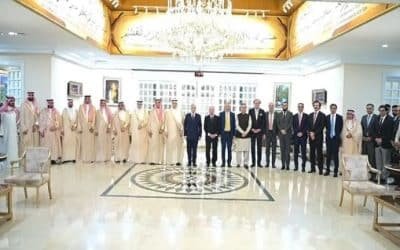
On the sidelines of the energy moot, Prime Minister Sharif also met with Kadir Ozkaya, the President of Turkiye’s Constitutional Court. The meeting underscored the deepening judicial and strategic ties between Islamabad and Ankara, with both leaders praising the “brotherly cooperation” that has seen Turkiye support Pakistan’s mediation efforts in the Middle East.
وزیراعظم محمد شہباز شریف سے جمہوریہ ترکیہ کی آئینی عدالت کے صدر قادر اوزکایا (Kadir Özkaya) کی وفد کے ہمراہ ملاقات
ترکیہ کے عدالتی جج کے صدر کا پاکستان میں شاندار مہمان نوازی پر اظہار تشکر
“صدیوں پر محیط پاکستان اور ترکیہ کے برادرانہ تعلقات تیزی سے ایک جامع معاشی شراکت داری کی… pic.twitter.com/eQYbfY9I0z
— Government of Pakistan (@GovtofPakistan) April 7, 2026
With the Islamabad Talks scheduled for April 10, the Premier’s statement serves as a confident signal to international investors and the domestic business community that Pakistan’s economic foundations remain secure under pressure.
You May Like To Read: Heated Debate in National Assembly: Govt Defends Record Fuel Hike as “War Necessity”
Check out our latest video: