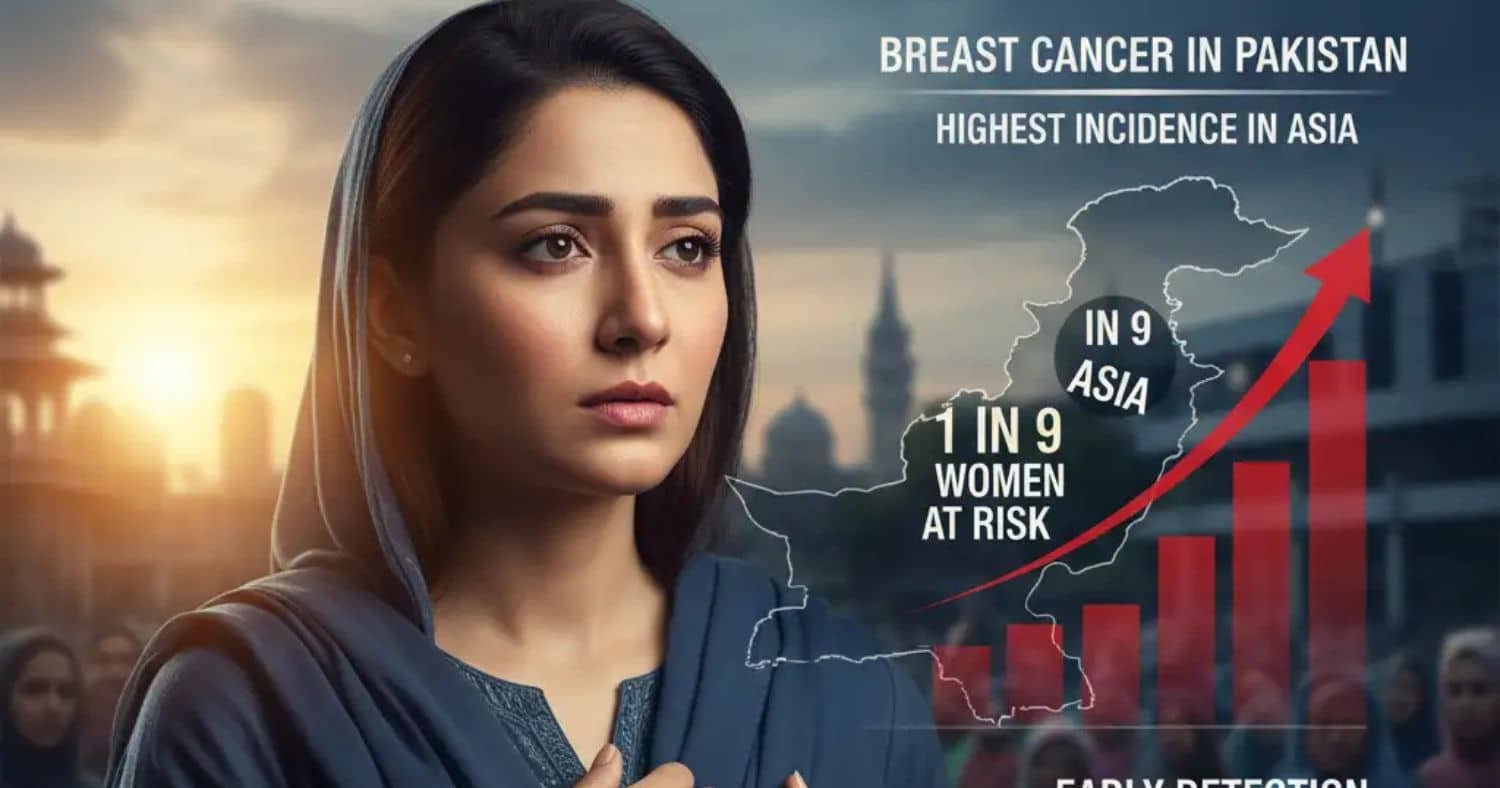


Breast cancer, a diagnosis that strikes fear globally, represents an especially urgent public health crisis in Pakistan. Alarmingly, the country harbors the highest incidence of breast cancer in Asia, with statistics suggesting that as many as 1 in 9 Pakistani women are at risk of developing the disease in their lifetime. With thousands of new cases diagnosed and a high mortality rate annually, the fight against breast cancer here is not just a medical challenge; it’s a complex battle against deeply rooted socio-cultural, economic, and systemic barriers.
This comprehensive guide, written by an experienced SEO content specialist, delves into the essential knowledge about breast cancer prevention, explores life-saving early detection methods, and crucially, sheds light on the specific issues and obstacles that prevent Pakistani women from seeking and receiving timely, effective care. Understanding these challenges is vital to saving lives and turning the tide against this devastating illness.
پاکستان میں ہر سال 40 ہزار خواتین بریسٹ کینسرکے باعث زندگی کی بازی ہار جاتی ہیں ، سینئر ڈاکٹر سرجن سید صفدر بخاری کی خصوصی گفتگو#BreastCancer #Pakistan #WomenHealth #DrSafdarBukhari #CancerAwareness #HealthTalk #PakistanNews #BreastCancerAwareness #MedicalInterview pic.twitter.com/mfT4W9zWan
— APP (@appcsocialmedia) October 1, 2025
A Snapshot of Breast Cancer in Pakistan
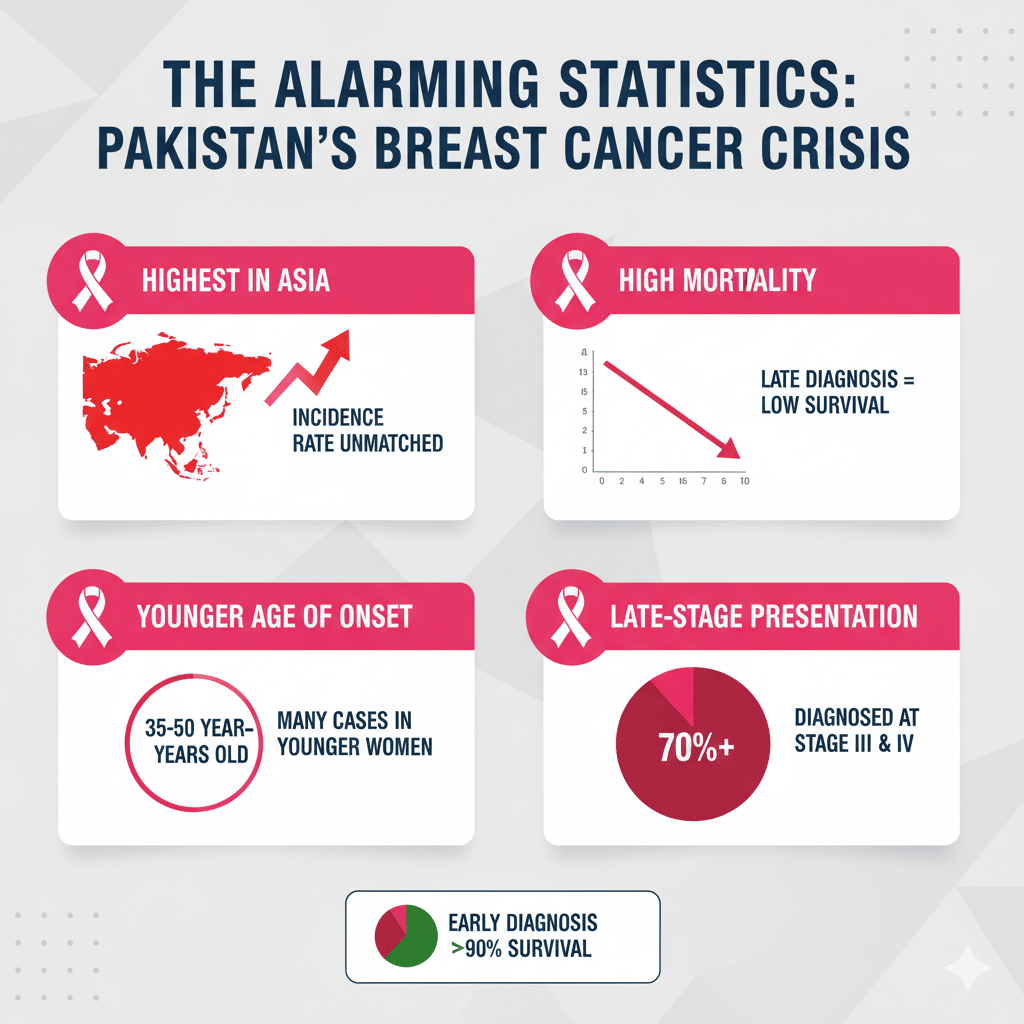
The data on breast cancer in Pakistan paints a grim, yet motivating, picture for public health action.
- Highest in Asia: Pakistan’s incidence rate is tragically unparalleled in Asia, significantly higher than its regional neighbors.
- High Mortality: A substantial number of patients are losing their lives each year, mainly attributable to delayed diagnosis.
- Younger Age of Onset: While the global incidence is often highest in post-menopausal women (over 50), studies in Pakistan usually show a disconcerting trend of diagnosis in women as young as 35, highlighting a need for awareness across all adult age groups.
- Late-Stage Presentation: The vast majority of cases in Pakistan are diagnosed at advanced stages (Stage III and IV), drastically reducing survival chances. Early diagnosis, by contrast, boasts a survival rate exceeding 90%.
Understanding Breast Cancer: Risk Factors and Causes
While the exact cause of breast cancer remains complex, a combination of non-modifiable and modifiable risk factors contributes to its development. Knowing these factors empowers women to take proactive steps.
Non-Modifiable Risk Factors
These are elements women cannot change but should be aware of:
- Gender and Age: Being female and increasing age are the primary risk factors.
- Family History and Genetics: Having a first-degree relative (mother, sister, or daughter) with breast cancer significantly increases risk. The BRCA1 and BRCA2 gene mutations are of particular concern, and in Pakistan, consanguineous marriages (marriages between close relatives) may potentially increase the likelihood of inheriting such genetic mutations.
- Reproductive History: Early onset of menstruation (before age 12) and late menopause (after age 55) expose breast cells to hormones for longer periods, increasing risk.
- Dense Breast Tissue: This makes lumps more challenging to detect on a mammogram.
You May Like To Read: Inattentional Blindness: Why We Miss What’s Right in Front of Us
Modifiable and Lifestyle Risk Factors
These are aspects women can actively manage to reduce their risk:
- Weight Management: Obesity and weight gain, particularly after menopause, are strongly linked to increased risk. Maintaining a healthy Body Mass Index (BMI) is crucial.
- Physical Activity: Regular, vigorous exercise can significantly reduce breast cancer risk. The recommendation is at least 150 minutes of moderate or 75 minutes of vigorous activity per week.
- Diet and Nutrition: A diet rich in fruits, vegetables, and whole grains, while limiting processed meats, refined sugars, and excessive fats, supports immune function and reduces inflammation.
- Alcohol and Smoking: Though alcohol consumption is less prevalent in Pakistan due to religious and cultural norms, both habits are established risk factors that must be avoided.
- Hormone Therapy: Prolonged use of combined Hormone Replacement Therapy (HRT) after menopause has been linked to increased risk.
The Cornerstones of Prevention: Lifestyle and Screening
The most effective strategy against breast cancer is a combination of healthy living and disciplined screening.
Primary Prevention: The Power of Lifestyle
Prevention starts with conscious lifestyle choices. Women are encouraged to:
- Maintain a Healthy Weight: Focus on a balanced diet and portion control.
- Stay Active: Incorporate daily physical activity, whether brisk walking, yoga, or traditional sports.
- Choose a Cancer-Fighting Diet: Prioritize antioxidant-rich foods.
- Breastfeeding: Studies show that breastfeeding, particularly for a prolonged period, can slightly lower the risk of developing breast cancer.
Secondary Prevention: The Critical Role of Early Detection
For a disease with high survival rates when caught early.
- Breast Self-Examination (BSE): This is a simple, cost-free technique women can perform monthly to become familiar with the everyday look and feel of their breasts. While not a replacement for medical screening, it helps women identify changes early.
- Clinical Breast Examination (CBE): A thorough check-up performed by a trained healthcare professional, typically recommended every 1–3 years for women in their 20s and 30s, and annually for women over 40.
- Mammography: The gold standard for screening. A low-dose X-ray of the breast can often detect cancer years before a lump is felt.
- Recommendation: Annual screening mammograms are generally advised for all women starting at age 40, or earlier if there is a strong family history or other risk factors. The lack of accessible and affordable mammography services remains a significant barrier in many parts of Pakistan.
The Unique & Severe Challenges for Pakistani Women
The high mortality rate in Pakistan is not due to a lack of medical knowledge but rather a constellation of cultural, social, and economic barriers that impede early diagnosis and treatment. Addressing these issues is paramount for any effective national campaign.
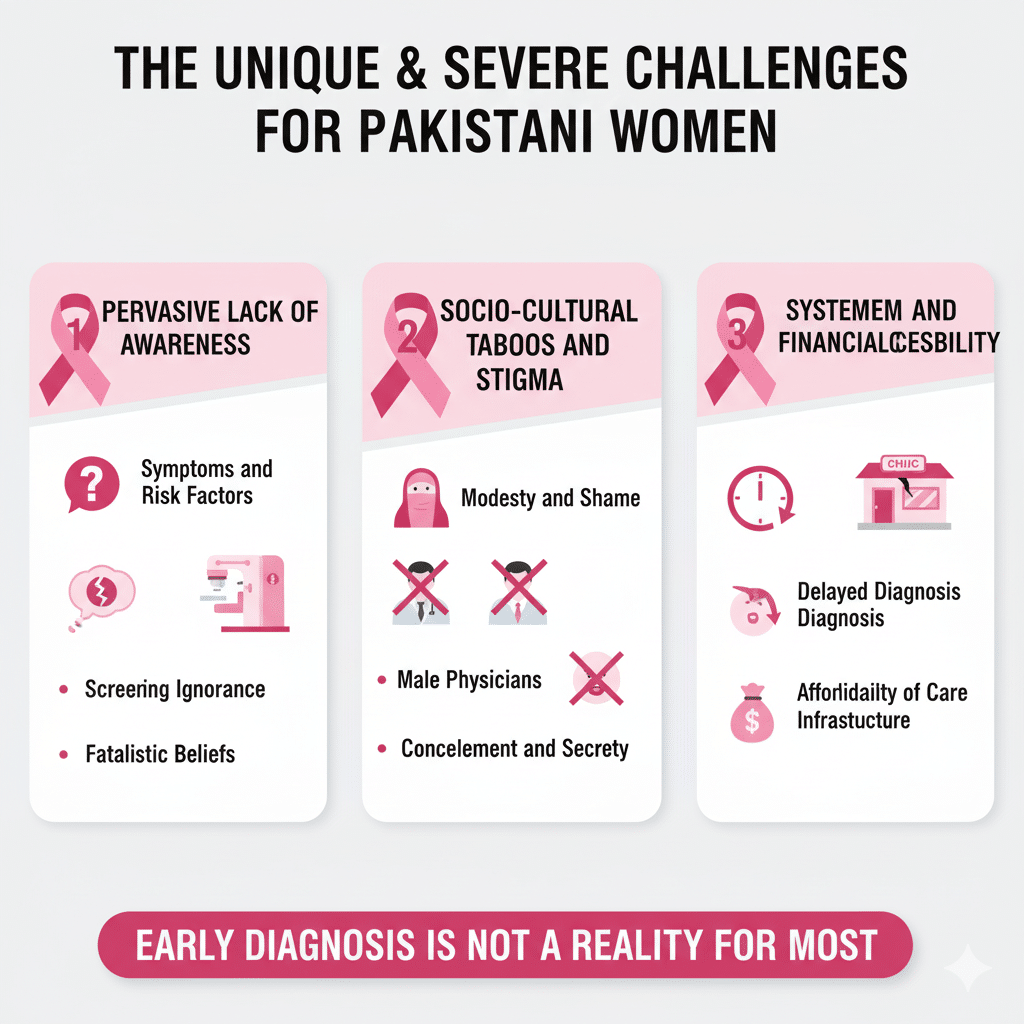
1. Pervasive Lack of Awareness and Knowledge
The single most significant issue is the low level of public awareness.
- Symptoms and Risk Factors: Many women, even those with higher education, are unaware of breast cancer symptoms beyond a painless lump or fail to link lifestyle factors to risk.
- Screening Ignorance: Knowledge about BSE, CBE, and especially mammography is often suboptimal. Many women are unaware that screening is recommended before any symptoms appear.
- Fatalistic Beliefs: A prevalent belief that cancer is incurable or a “death sentence” leads to fatalism and a reluctance to seek any medical intervention, often choosing alternative or religious remedies first.
You May Like To Read: A Dry Future? Pakistan’s Fight Against Drought
2. Socio-Cultural Taboos and Stigma
Cultural norms create a powerful, silent barrier to breast health.
- Modesty and Shame: Discussing breast health or seeking an examination is often considered a breach of modesty (parda). There is a deep-seated cultural taboo associated with exposing the breasts, leading to intense hesitancy and embarrassment.
- Male Physicians: The lack of female healthcare providers in many areas, particularly rural Pakistan, makes women reluctant to consult a male doctor for a breast concern, leading to crucial delays.
- Concealment and Secrecy: Symptoms are often concealed, not just from the public, but from family members, fearing social stigma or being a burden. This secrecy significantly delays presentation until the cancer is locally advanced.
You May Like To Read: Inattentional Blindness: Why We Miss What’s Right in Front of Us
3. Systemic and Financial Accessibility
Even when women overcome the cultural hurdles, the healthcare system presents obstacles.
- Delayed Diagnosis: The median delay in diagnosis for Pakistani women is alarmingly long, often spanning several months after the onset of symptoms, directly leading to late-stage presentation.
- Affordability of Care: The high cost of specialized care, including mammography screening, biopsies, and subsequent treatments (surgery, chemotherapy, and radiotherapy), is often prohibitive.21 Since universal health coverage is limited, financial constraints force many to abandon treatment or present too late.
- Inadequate Infrastructure: Screening centers, specialized cancer hospitals, and multidisciplinary breast tumor boards are often concentrated in major urban centers, leaving the vast rural population with little to no access to early detection tools. The expertise for sophisticated procedures is also limited.
- Genetic Factors: The increased prevalence of consanguineous marriages in Pakistan may lead to a higher incidence of hereditary cancers (like those linked to BRCA mutations), yet genetic counseling and testing are neither widely available nor affordable.
You May Like To Read: Floods in Pakistan: A Recurring Environmental Disaster
A Path Forward: Recommendations for a Healthier Pakistan
Overcoming the breast cancer crisis requires a unified national effort targeting both awareness and accessibility.
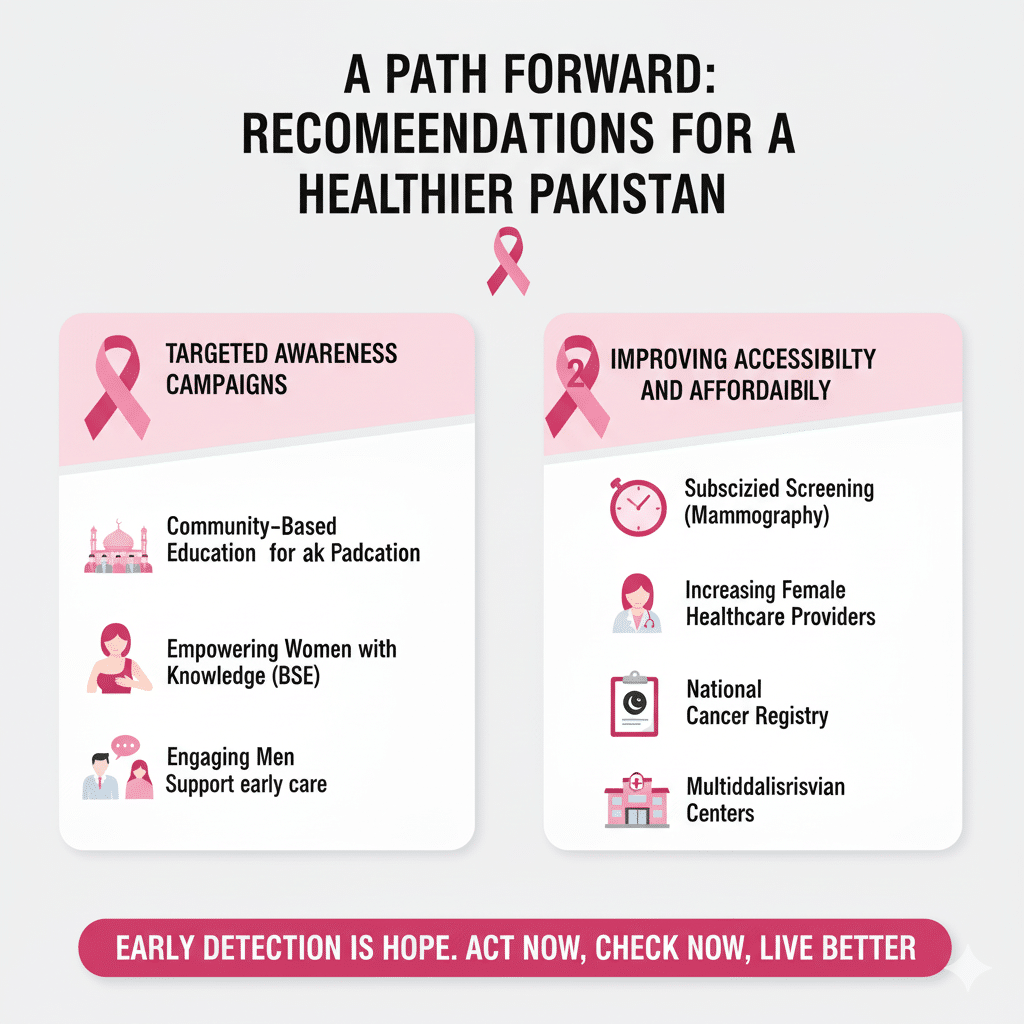
Targeted Awareness Campaigns
- Community-Based Education: Campaigns must move beyond traditional media and integrate into community health workers, religious centers, and schools. Messaging should normalize breast health discussions and de-stigmatize the disease.
- Empowering Women with Knowledge: Education must focus on the crucial link between early detection and high survival rates. Breast Self-Examination (BSE) training should be a core component.
- Engaging Men: Given the patriarchal structure, awareness campaigns must also target husbands, fathers, and brothers, educating them on the importance of supporting women in seeking early care, reducing the fear of stigma and financial burden.
Improving Accessibility and Affordability
- Subsidized Screening: The government and NGOs must prioritize and subsidize free or low-cost mammography screening for women over 40, especially those with risk factors, moving services into smaller towns.
- Increasing Female Healthcare Providers: Investment in training and employing more female radiologists, oncologists, and technicians will directly address the cultural barrier of modesty.
- Developing a National Cancer Registry: A complete, centralized, and accurate cancer registry is desperately needed to monitor incidence, track demographic trends, and allocate resources effectively.
- Multidisciplinary Centers: Establishing more specialized breast care centers that offer comprehensive services, from diagnosis and surgery to post-treatment support and palliative care, is essential.
You May Like To Read: Floods in Pakistan: A Recurring Environmental Disaster
Early Detection is Hope
The battle against breast cancer in Pakistan is a significant one, marked by the highest regional incidence and severe socio-cultural roadblocks. However, the tragedy of high mortality is largely preventable. By relentlessly raising awareness, championing early detection, and working to dismantle the cultural taboos and economic barriers, Pakistan can fundamentally change the prognosis for its women.

Every woman in Pakistan deserves to know that breast cancer is not a death sentence; it is a highly treatable disease when caught early. The collective responsibility of the government, health organizations, and every family unit is to transform hope into action, ensuring that no daughter, mother, or sister loses her life to this disease due to ignorance, fear, or lack of access. Act now, check, live better.
You May Like To Read: Industrial Challenges Amidst Rising Temperatures in Pakistan