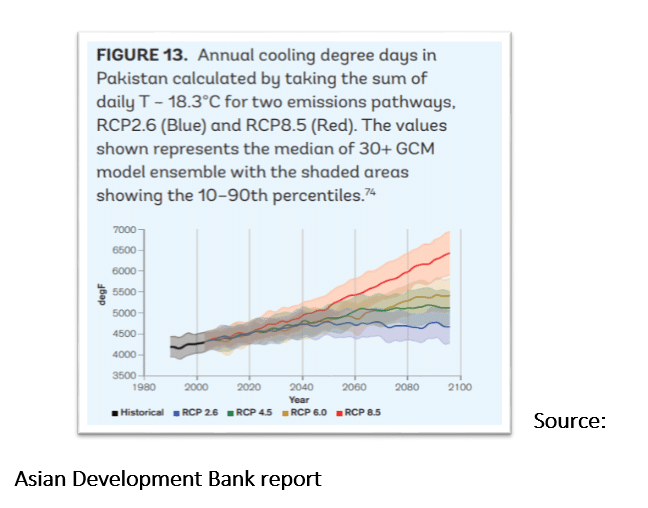
The weather in Pakistan is getting hotter. The long, hot summers are not just bad for people; they’re also hurting businesses. When it gets too hot, factories have to close. Workers get sick, machines break down from the heat, and the power grid can’t handle the strain. This slows everything down and costs a lot of money.
But there is a way to fix this. With good planning and everyone working together, industries can learn to handle the heat. They can install better cooling systems in their factories to keep machines from overheating. They can also change work hours, starting earlier in the day when it’s cooler, so workers don’t get sick from the heat.
Companies can invest in new, more efficient machines that use less power and don’t get as hot. This not only saves energy but also helps the power grid. Businesses and the government can also team up to build stronger power systems that can handle the extra demand during the summer. By taking these steps, Pakistan’s industries can stay strong even as the weather changes. They can keep producing goods, keep workers safe, and keep the economy moving forward. This smart thinking can turn a big problem into a chance to grow and become more resilient.
Heatwaves Slash Productivity
During recent heatwaves, factories across sectors—from garments to steel—have seen major drops in worker attendance. According to The Business Standard, labour presence has fallen by 10–15%, and productivity has plunged by 50%. Some factories even lose up to five hours of production each day, especially when load-shedding makes the heat worse. This is a direct blow to wages, output, and national exports.

Source: Business Standard
Energy Strain and Power Shortages
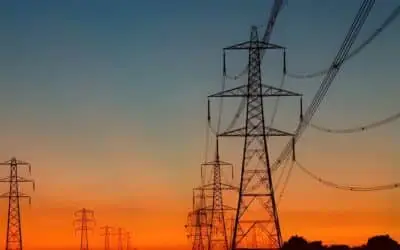
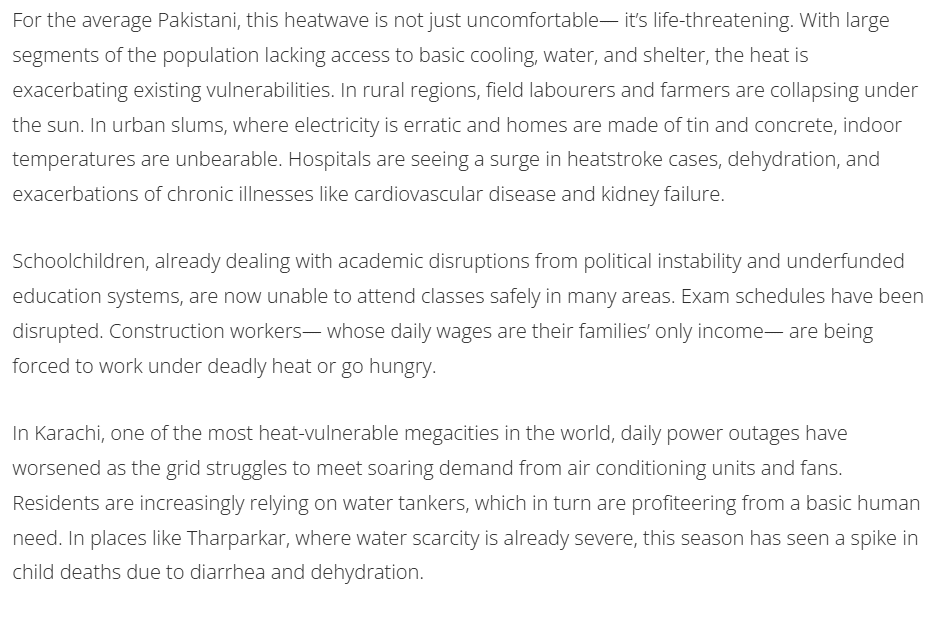
As temperatures climb, reliance on cooling systems grows, yet Pakistan’s power system struggles to keep up. In cities like Karachi, demand for air-conditioning pushes the grid to its limits. Power outages and shutdowns are more frequent, making industrial operations harder to sustain.
Source: Pakistan Today
Source: INP
Factories in the “Oven”
In overheated cities like Lahore and Karachi, many industrial buildings are poorly ventilated. Roofs made of tin or cement trap heat, turning factory floors into stifling “ovens.” Workers face dehydration, fatigue, and heatstroke, all of which slow down work and raise safety risks.

Source: Pakistan Today Urban Heat,
Source: Pakistan Today Heat & Inequality
Informal Workers Most at Risk
Around 72% of Pakistan’s workforce works informally, as street vendors, tailors, welders, and laborers. These individuals often work outdoors or in unsafe conditions without AC, cooling breaks, or legal protections. In Faisalabad, some have to stop work by mid-morning because it simply becomes unbearable. Lost work hours can reduce their daily income by 50–70%.
You May Like To Read: Health Risks Due to Environmental Disasters in Pakistan
Industrial Supply Chains Suffer Too
Heat doesn’t just affect people; it affects goods. In factories like textile mills, extreme temperatures can spoil yarns or disrupt dyeing processes. Cold storage failures during heat spells hurt the food and pharmaceutical industries. With agriculture also suffering from heat stress, like a 30–40% drop in mango and cotton yields, raw material shortages hit factories hard.

Source: Pakistan Today Agriculture
Cognitive Load and Workplace Errors
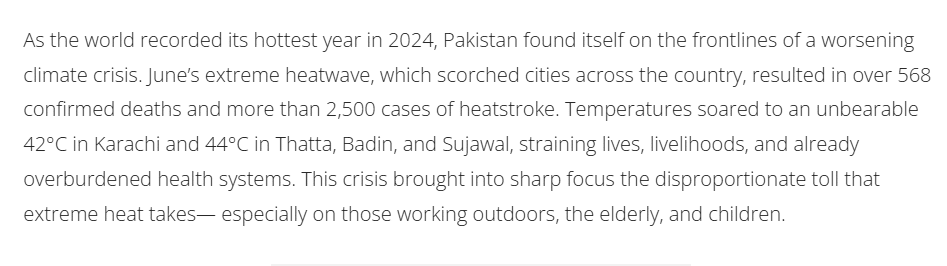
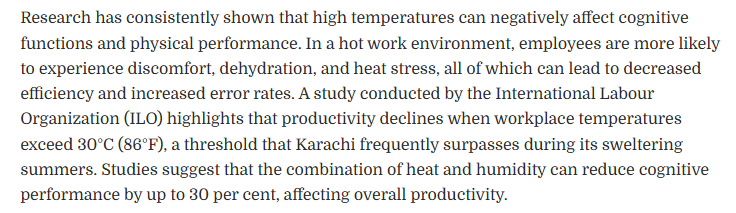
High heat reduces mental sharpness. Studies show that when temperatures rise above 30°C (86°F), workers in manufacturing make more mistakes, slow down, and miss safety cues. That means more accidents, wasted products, and lower output, even when workers are present.
Link: The News
Economic Toll Across the Board
Heat stress hurts the broader economy, not just factories. With 73% of workers unprotected, under harsh weather, every sector, industry, agriculture, and service takes a hit in productivity. That means fewer goods, more inflation, and lower wages for millions.
Solutions from Within and Beyond
There is hope. Employers and governments are taking measures to adapt:
Cooling Workspaces
Factories can install shade, ventilation, and evaporative coolers to help workers endure heat.
Rest Breaks & Hydration
Water stations and scheduled shade breaks every hour are simple but effective.
Shift Work
Night shifts during heatwaves reduce worker exposure.
Energy Resilience
Solar panels and backup systems help run cooling systems reliably.
Regulation Updates
New rules to enforce rest breaks, safe work hours, and heat awareness can protect workers.
Urban Planning & Green Design
Cities can reduce the “heat island” effect by planting trees and redesigning buildings to stay cool.
Protecting Pakistan’s Industry from the Heat
Pakistan’s rising temperatures challenge every sector, especially industries that rely on human labour and energy. But it doesn’t have to be a crisis. Simple measures like cooling stations, smarter shifts, and resilient infrastructure can safeguard workers and profits. Industries must act now.
When the government, business owners, and communities come together, heat can become a match to adapt to—not a roadblock to growth. That way, even in blazing summer days, Pakistan’s industries can keep moving and keep building the future.
You May Like To Read: Role of Women in the 1965 War