


Pakistan’s 1965 war was not just fought on the battlefield. It was a national effort, and in this great effort, a crucial part was played by the women of Pakistan. Their support for the war was a golden chapter, one that showed their strength, courage, and deep love for their country. They stepped up and served in many ways, from tending to the wounded to inspiring the nation.
Courage Under Fire: Nursing and Medical Support
When the war started, hospitals across the country filled with wounded soldiers. In these moments of pain and suffering, Pakistani women stepped forward as nurses. They worked tirelessly, often for days without rest, to care for the injured. These were not just professionals; many were volunteers who had no prior training. They learned on the job, showing a quick and fearless spirit.
Source: Dawn
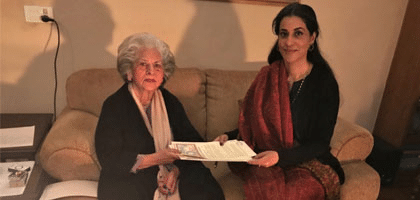
One of the most powerful stories is that of Begum Viqar-un-Nisa Noon, who set up a special hospital in her own home in Rawalpindi. She turned her beautiful house into a place of healing, where soldiers were given the best care. This was a symbol of the entire nation’s resolve. Women from all walks of life, rich and poor, educated and uneducated, came together to help. They cleaned wounds, changed dressings, and comforted soldiers who were far from their families. They were a beacon of hope, their kindness a salve for both physical and mental wounds. Their role showed that a woman’s touch could be just as powerful as a soldier’s rifle in the defense of the homeland.
A Wave of Volunteers: The Civilian Effort
The support from women went beyond just nursing. Many women took on roles in civil defense. They organized groups to help people in cities. These women learned first aid and how to handle emergencies. They were ready to assist if an enemy plane dropped a bomb. They also helped with blackout drills, making sure lights were off at night so enemy pilots couldn’t see their targets. They worked to make sure that the home front was safe and strong.
Women also started collecting money and supplies for the soldiers. They went door-to-door, asking for food, blankets, and clothes. They knitted sweaters and sewed uniforms. This was a massive volunteer effort, and women were at its heart. They set up stalls in markets and public places to gather donations. The money and goods they collected were sent to the front lines, giving soldiers a taste of home and a sense of the nation’s gratitude. This effort was not just about providing goods; it was about building a feeling of national unity and purpose.
The Power of Words: Promoting Patriotism
During the war, a new kind of weapon emerged: words. Pakistani women used their voices to inspire the nation. Radio Pakistan, the main source of news, became a key platform. Women broadcasters spoke to the nation, sharing stories of bravery and sacrifice. They sang patriotic songs and recited poems that filled people with pride and a desire to serve.
Source: Radio Pakistan
One of the most famous figures was Madam Noor Jehan, a legendary singer. Her powerful and emotional songs, became anthems for the soldiers and the public. Her voice was heard in every home, on every street corner. Her songs filled the soldiers with courage and the people with hope. She was a single woman, but her voice was the force of a thousand men. Her songs reminded everyone what they were fighting for. Other women, as writers and poets, wrote articles and verses that were printed in newspapers and magazines. These writings told stories of heroism and sacrifice, making sure that the whole nation knew what was at stake.
Fatima Jinnah
Source: Pakistan Today
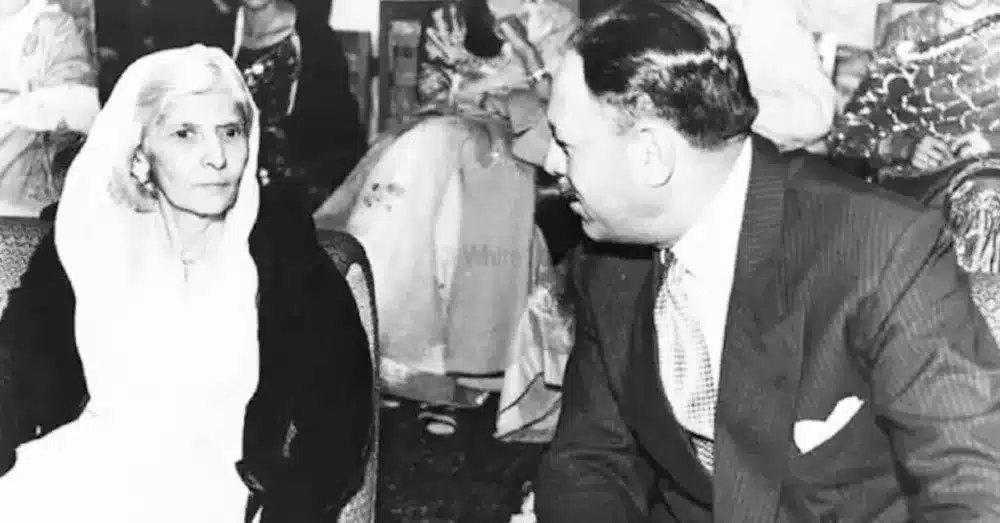
A central figure in the Pakistan movement, Fatima Jinnah was a powerful force for change. A central figure in Pakistan’s history, Fatima Jinnah’s strength was again on display during the 1965 war. While she was no longer in active politics, her voice was one of great authority and respect. She used her position to rally the nation. She spoke to the people, urging them to unite and stand strong against the enemy. Her messages were broadcast to the country, calling for bravery and a shared purpose. She became a symbol of national unity and resolve. Her powerful appeals helped to boost the morale of both the soldiers at the front and the civilians at home. She encouraged people to donate blood, money, and supplies to help the war effort. Her actions showed that a leader’s influence can last long after their official term has ended. She was a living reminder of the values that had created Pakistan. Her calls for patriotism resonated deeply with the public. They listened to their “Mother of the Nation.” Her efforts proved that even from a distance, a person of great integrity can inspire a whole country and play a key part in its defense.
You May Like To Read: Revisiting 1965 War Narratives Ahead of Defense Day 2025
Begum Ra’ana Liaquat Ali Khan
Source: Dawn
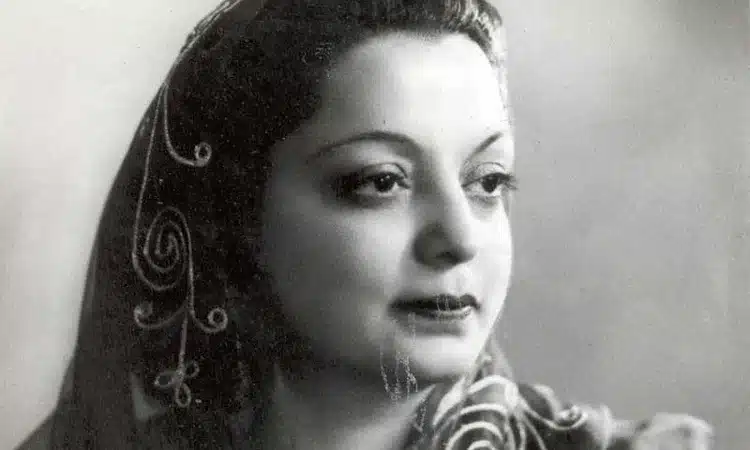
Begum Ra’ana Liaquat Ali Khan was a pioneer who devoted her life to the welfare of women. As the wife of Pakistan’s first Prime Minister, she used her position to create lasting change. She saw that women needed help to stand on their own feet. In 1949, she founded the All Pakistan Women’s Association (APWA). APWA’s main goal was to empower women. It provided education, health services, and skills training to help women become independent. This organization became a powerful force for social development across the country. But her work wasn’t just about social welfare. When the nation was in danger, she played a key role in national security. She organized the Women’s National Guard, a volunteer force that gave women basic military and first-aid training. They were ready to help if the country was attacked. She showed the world that Pakistani women were ready to serve their nation in every way. Her work as a diplomat and her tireless efforts for women’s rights left a deep mark on the nation. Her legacy is a testament to the power of a single person to create a movement for change.
Noor Jehan
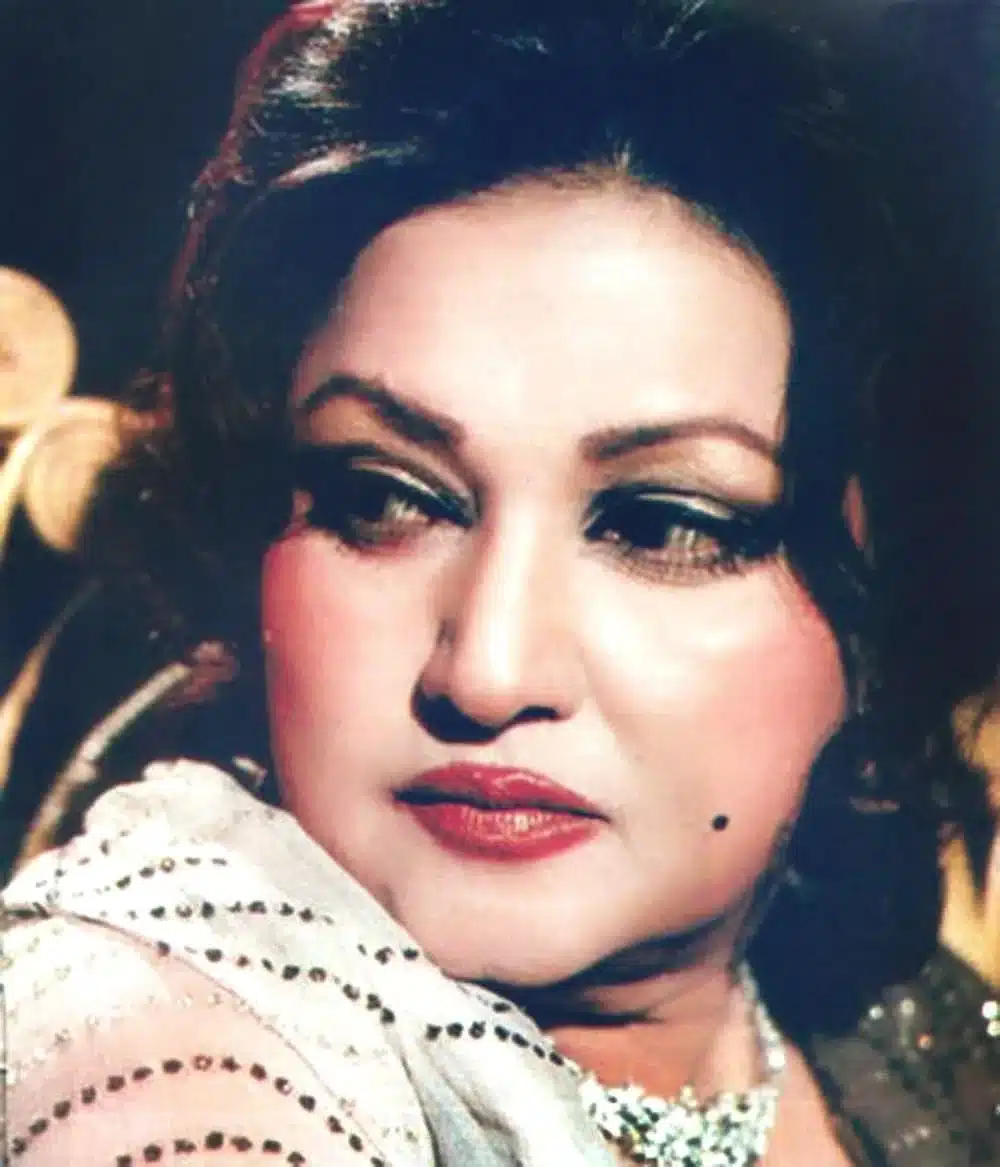
Source: IMDb
Noor Jehan was not just a singer; she was a symbol of national pride. Known as the “Queen of Melody,” her voice had a special power that touched the hearts of every Pakistani. During the 1965 war, she used her talent to inspire the nation. Her patriotic songs were played on the radio and became anthems for the soldiers on the front lines and the people at home. Songs like “Aye Mere Jawan” filled the airwaves. They were full of passion and courage. Her voice gave the soldiers strength and reminded them of what they were fighting for. For the public, her songs were a source of hope and unity. They brought people together and made them feel like they were all part of one big family, fighting for a common cause. Her music was a weapon of morale, more powerful than any bomb. She lifted the spirits of an entire nation in a time of great need. Her contributions went beyond just entertainment. She proved that art could play a crucial role in a nation’s defense. Her songs remain a part of Pakistan’s heritage, a living reminder of the courage and spirit of that time.
Behind the Scenes: The Home Front
While the men were on the battlefield, women held the family and the home together. They managed the households, raised the children, and kept the farms and businesses running. They took on new responsibilities that were once only for men. They showed incredible resilience and strength.
A woman’s role in the home during the war was more than just doing chores. It was about keeping the spirit of the family alive. They sent letters to their husbands, brothers, and sons on the front, full of love and encouragement. These letters were a lifeline, a reminder of what awaited them back home. The women prayed for their loved ones and for victory. Their faith and steadfastness were a silent but powerful force that supported the entire war effort. They were the backbone of the nation, the silent heroes who made sure the country did not fall apart while its men were at war.
A Legacy of Strength
The contributions of Pakistani women in the 1965 war are not just a footnote in history; they are a central part of the story. They showed that strength and patriotism are not limited by gender. They were nurses, volunteers, broadcasters, and the steady hands that kept the home front stable. Their actions during the war set a powerful example for future generations.
This brave spirit continues today. The women of Pakistan are now a core part of its military forces, serving in all branches. They are pilots, doctors, and officers. Their service today is a direct legacy of the women who helped in 1965. The war of 1965 showed the world that Pakistani women are fearless, patriotic, and ready to serve their nation in any capacity. They are a source of pride, and their story of courage and sacrifice is one that every Pakistani should know and remember. Their contributions were not just supportive; they were essential.
You May Like To Read: High-Stakes, High-Altitudes: Pakistan Army in High-Altitude Warfare