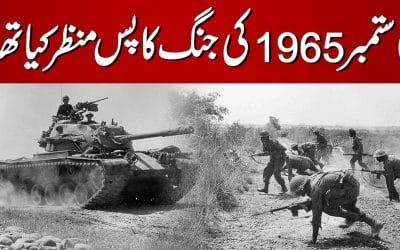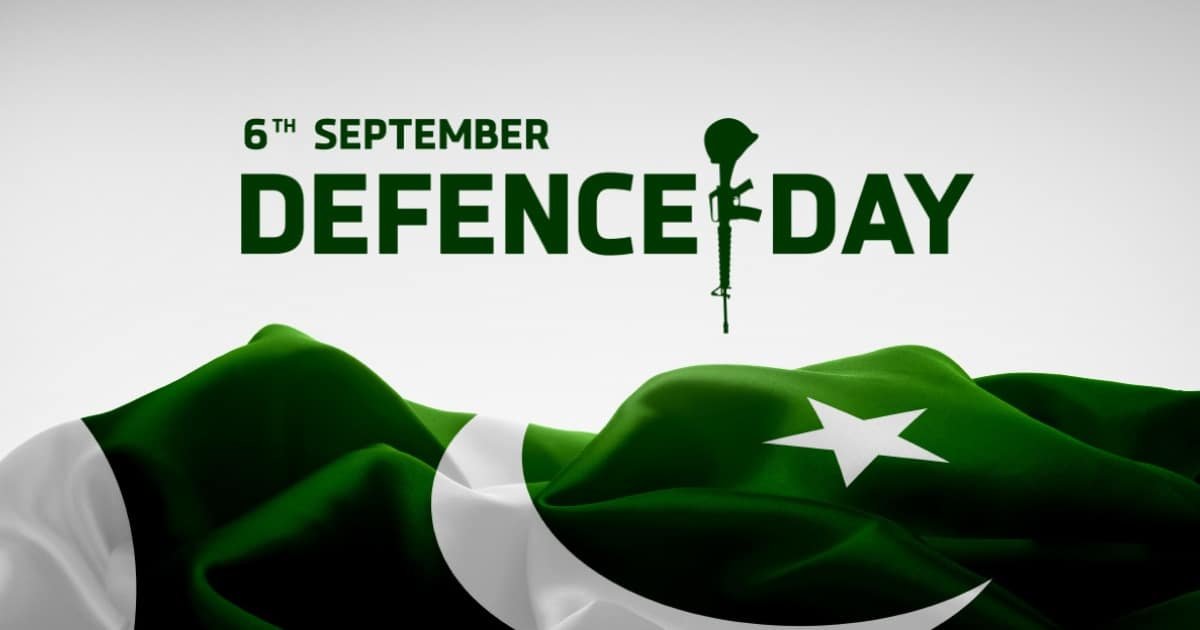



Pakistan’s Defense Day is observed on 6 September. It marks the 1965 Indo-Pakistani War and pays tribute to all who defended the nation. Officially, it is remembered as the anniversary of India’s surprise attack on Pakistan on 6 September 1965. Pakistan responded with a determined defense and resisted the aggression. Government statements recall that on 1 September 1965, Indian forces crossed the international border. Yet, the nation stood firm and foiled the enemy’s designs.
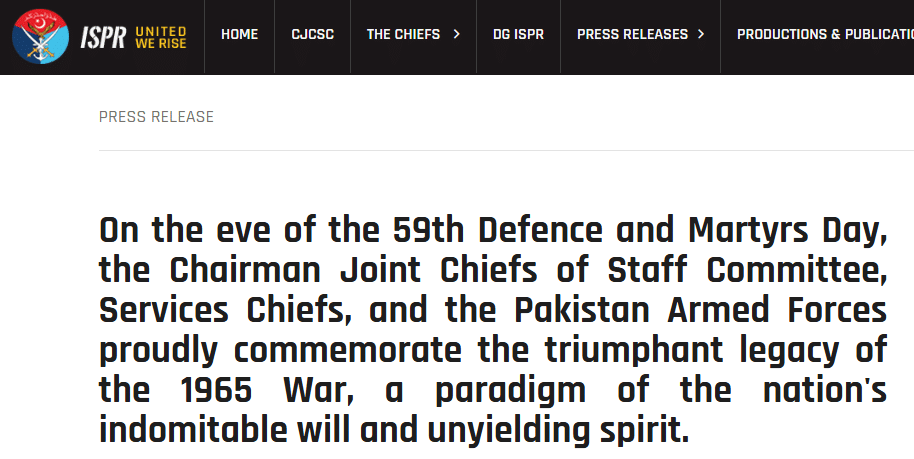
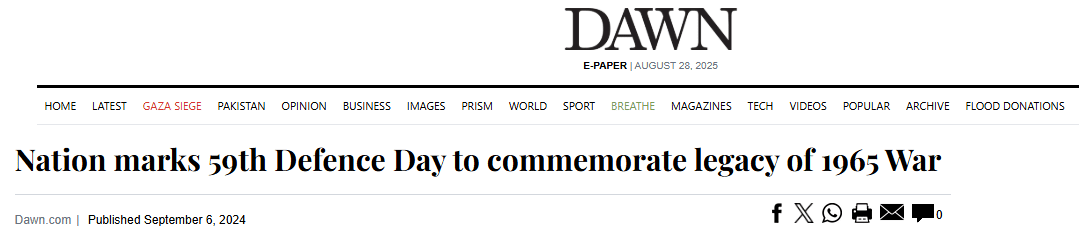
The Inter-Services Public Relations (ISPR) calls it a day to “proudly commemorate the triumphant legacy of the 1965 war, a paradigm of the nation’s indomitable will and unyielding spirit.” In simple words, the official narrative highlights Pakistan’s courage in repelling Indian forces despite being outnumbered. Schools teach this version, and broadcasts on the day echo it. Dawn reports that on 6 September, the Indian army attacked Lahore and the Sialkot sector without declaring war. Yet, Pakistani troops stood strong. They fought with unity and selflessness to protect the homeland. Defense Day ceremonies honor those soldiers and civilians who stood firm and defended the motherland.
Source: ISPR
Heroes of 1965 and Beyond
Several Pakistani heroes of 1965 are remembered on Defense Day. The most prominent is Major Raja Aziz Bhatti. He led the infantry defense at Burki, near Lahore, and was awarded the Nishan-e-Haider. Many heroes gave their lives in the 1965 war to defend Pakistan. Along with Major Aziz Bhatti, they include Squadron Leader Muhammad Mehmood Alam, Squadron Leader Sarfaraz Ahmad Rafique, Aircraftman Anwar Hussain, Squadron Leader Alauddin Ahmad, and Air Marshal Muhammad Noor Khan. Major Aziz Bhatti received the Nishan-e-Haider for his bravery in defending the Bedian region of Lahore.
You may also read: August 1965 War Memories: The Role of PAF in Defending Lahore
The nation also recalls heroes of the Pakistan Air Force. Flying Officer Tufail Mohammad, another Nishan-e-Haider recipient, is honored for his sacrifice. In 1958, he embraced martyrdom while leading a successful night assault in East Pakistan. He forced Indian troops to retreat; he rests in Tufailabad, his renamed hometown. Ace pilot M.M. Alam is remembered for his legendary feat of shooting down five Indian aircraft in one mission. While 6 September is Defense Day, 7 September is observed as Pakistan Air Force Day in recognition of Alam’s achievement.
Defense Day events also recall later heroes. One example is Pilot Officer Rashid Minhas, the youngest Nishan-e-Haider from 1971. He is honored as a symbol of ultimate sacrifice by all Pakistani forces. Media coverage of recent Defense Days continues to highlight such stories to inspire patriotism.
Source: DAWN
Debates Around the 1965 Narrative
Historians and analysts continue to debate the outcome of 1965. Many revisit parts of the official narrative. Foreign observers often point out that the war ended in a UN-brokered ceasefire without a clear victory. Al Jazeera, for example, has described the idea of a Pakistani “victory” as a “false narrative”, noting that both sides suffered similar losses. Within Pakistan, some commentators also urge nuance. Tribune columnist Mushahid Hussain wrote that Pakistan’s gains came from “three As: Allah, Artillery, and Air Force.” His remark suggested that luck and individual bravery mattered more than grand strategy. He also noted that while Pakistani forces fought with great courage, other administrative and political existed. For this reason, he cautioned against mythologizing the war. With humor, he even credited Noor Jehan’s songs as a source of morale in 1965. Broadly, some argue that the conflict produced a 17-day stalemate and that claims of outright victory are misleading. However, Pakistan taught a good lesson to its aggressors.
Recognizing these debates, many analysts advise a balance between pride and realism.. Celebrations rightly highlight “valor and sacrifice,” yet some editorials call for honesty. Ahead of Defense Day 2025, one opinion piece urged Pakistan to remember 1965 not as propaganda, but as an example of bravery in hardship. It quoted official lines such as “a tribute to the valor and sacrifice” of soldiers. At the same time, it stressed lessons like the need for stronger leadership and better strategy so future wars do not go to waste. In short, writers recommend revisiting the narrative to strengthen unity, while not ignoring shortcomings.
Defense Day 2025: Honoring Sacrifice, Embracing Lessons
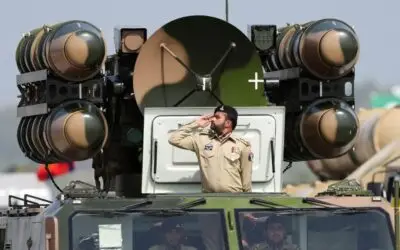
As Pakistan approaches Defense Day 2025, the focus remains on pride in our Armed Forces. The official story of courageous soldiers who defended the nation will be at the forefront. At the same time, an analytical view urges honesty. The war tested the country, and its stories should be remembered in full. Acknowledging both heroism and hard lessons can strengthen morale. Celebration should honor courage while also inspiring resolve to overcome shortcomings. For most Pakistanis, Defense Day 2025 will be about paying homage to the Shaheens (martyrs) and ghazis (warriors) of 1965. It will reaffirm the timeless commitment that “the nation of Pakistan will defend itself,” no matter the challenge.
You May Like To Read: August 1965 War Memories: The Role of PAF in Defending Lahore