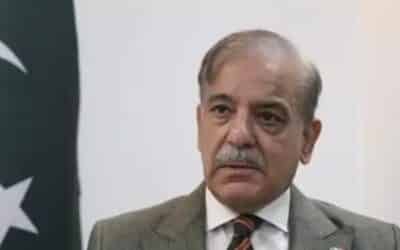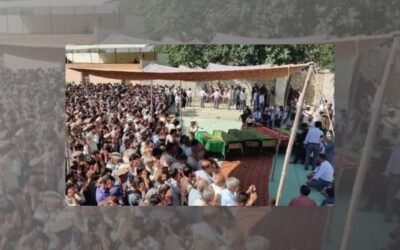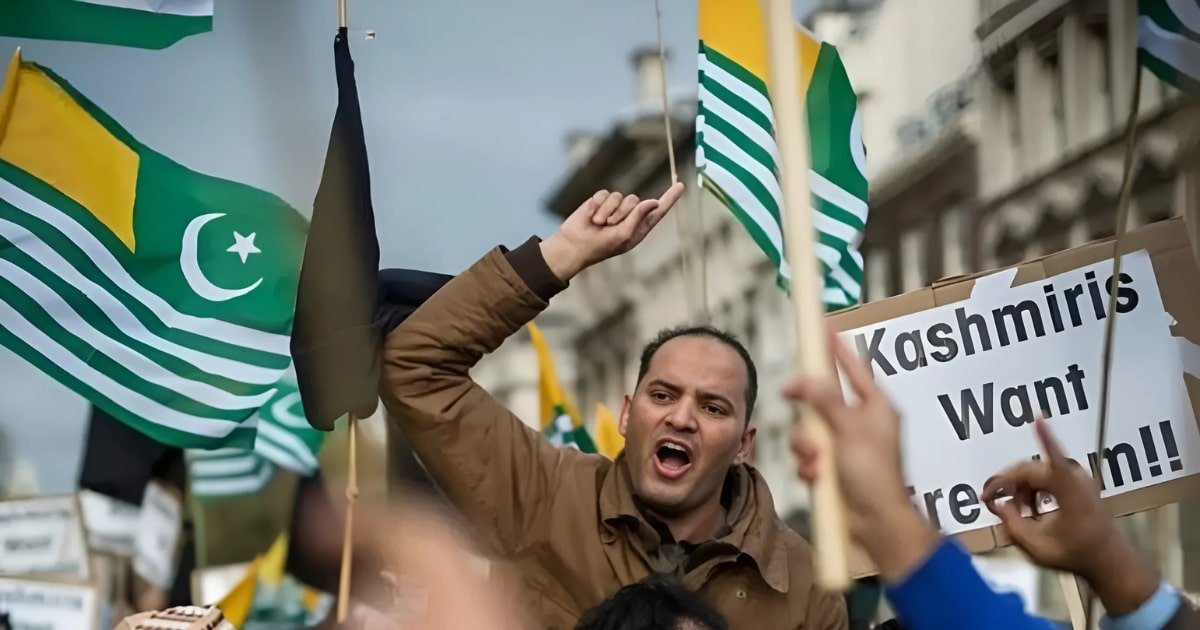





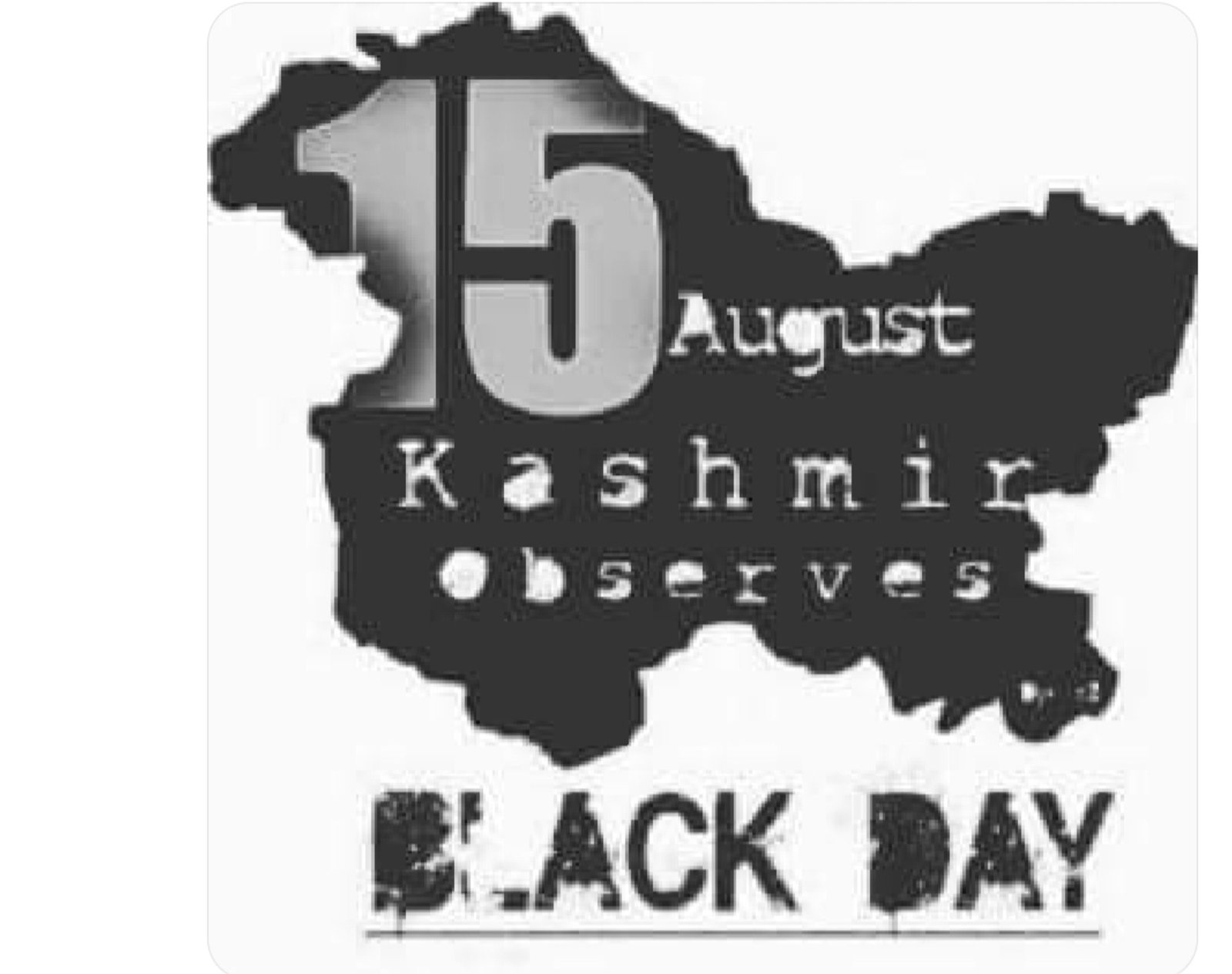
Every August 15th, as fireworks light the skies over Delhi and speeches echo in India’s parliament, there is another scene unfolding across the Line of Control. In the streets of Muzaffarabad, Mirpur, Rawalakot — and in countless towns across Pakistan — black flags are hoisted, armbands are tied, and placards are raised. It is the Kashmiris’ way of saying the world may move on, but they have not.
For them, India’s Independence Day is not a celebration of liberty. It is a reminder of a liberty denied. Since October 27, 1947 — the day Indian forces landed in Srinagar under the guise of a temporary arrangement — the people of Jammu and Kashmir have lived under what they regard as illegal occupation. Seventy-eight years later, the presence of hundreds of thousands of Indian troops, curfews, communication blackouts, and systemic human rights abuses speaks for themselves.
How can India celebrate the independence day when its govt has illegally & unjustly snatched the right of freedom from an entire nation?
We will observe August 15 as a black day in the memory of all the martyrs, imprisoned and detained Kashmiris. #Kashmir #BlackDay pic.twitter.com/ODkCqcSxTj— Mushaal Hussein Mullick (@MushaalMullick) August 14, 2020
August 15: A Protest, Not a Mourning
Let us be clear: August 15th is not marked as a day of grief for Pakistan. It is marked as a day of protest. In Azad Kashmir and in Pakistan’s cities, rallies and demonstrations remind the global community that the dispute over Jammu and Kashmir is not a closed chapter, and that the right to self-determination — promised by the United Nations in multiple resolutions — has not yet been delivered.
On this day, the people of Kashmir send a message: freedom is indivisible. You cannot claim it for yourself while denying it to your neighbor.
The National Responsibility
Pakistan has stood by the Kashmiri people for decades, not merely as a matter of foreign policy but as a matter of moral obligation. Yet solidarity cannot be reduced to slogans or ceremonial observances. True support means consistent diplomatic engagement, international advocacy, and ensuring the Kashmir issue remains a living, breathing part of our national consciousness — not a seasonal talking point.
As we celebrate our own independence on August 14, we must carry the sobering thought that just a day later, millions across the border will mark their continued subjugation. It is not enough to feel sympathy; we must channel that feeling into action, unity, and steadfast commitment to justice.
15 August is a Black Day for India’s oppressed minorities. For Muslims, Sikhs, Christians, Dalits and Kashmiris, “independence” only replaced one set of oppressors with another. Under the BJP-RSS regime, mob lynchings, hate speeches, and state-backed persecution are daily… pic.twitter.com/X45xtt89UM
— Faizan (@faizannriaz) August 14, 2025
The World Must Listen
The occupation of Kashmir is not a regional quarrel. It is a test of the world’s commitment to human rights and the rule of law. Every protest on August 15th is a call to conscience — and every moment of silence in response is an indictment of the international community’s will.
Kashmir bleeds still. And as long as it does, Pakistan’s independence can never feel complete.
You May Like To Read: