




Khyber, January 28, 2026 — Amid heavy snowfall and ongoing blame between federal and provincial authorities, officials estimate that 80-85 percent of Tirah Valley residents have now been evacuated to safer areas in Bara. The process, which has been temporarily halted due to severe weather, has seen stranded families finally reach safety after days of arduous rescue operations, though many displaced people continue to face hardship on the road.
Despite ongoing blame-shifting between the federal and provincial governments over the displacement from the volatile Tirah Valley, officials estimate that about 80–85 per cent of the population has been evacuated so far.https://t.co/7llWwoMeDv
#TirahValley #population pic.twitter.com/dVRsYxWzgI
— Dialogue Pakistan (@DialoguePak) January 28, 2026
Key Highlights
- 80-85pc of Tirah residents evacuated so far; only 15pc remain, with final evacuation paused until weather improves.
- Rescue 1122 teams successfully brought over 1,500 people trapped by snowstorms to Bara after two days of intense efforts.
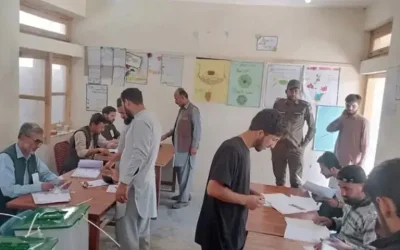
- Registration centres expanded in Bara (now six, including new ones in Alamgudar, Bar Qambarkhel, Malakdin Khel, and Qambarabad) with separate desks for women to respect cultural norms.
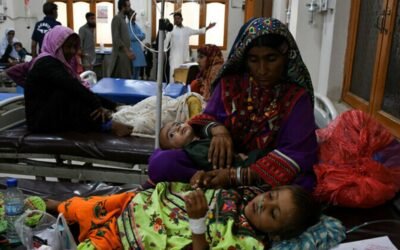
- Displaced families report acute shortages of food and warm shelter; many spent sleepless nights in freezing conditions on the 110-km road from Tirah to Bara.
- Tribal elders and former parliamentarians demand transparency, compensation for losses, and an end to alleged political interference in registration.
Evacuation Paused, But Efforts Continue
The district administration has extended the evacuation deadline in view of unrelenting snow and storms, advising remaining families to stay put until conditions allow safe movement. Officials stressed the need to give people some breathing space — a practical decision given the valley’s rugged terrain and the risks of forcing travel in such weather. In Bara, the focus has shifted to speeding up registration and providing immediate relief.
The gap between facts and narrative is stark. Official documents confirm that the relocation of residents from Tirah Valley was a civil administration decision, not a military operation. Yet the reality is being reshaped to suggest otherwise. Although the notification clearly… pic.twitter.com/mpk9VEzLiE
— Abbas Chandio (@AbbasChandio__) January 26, 2026
New centres have been set up to make the process smoother and more transparent, with dedicated female desks addressing long-standing complaints from families. Staff from Nadra, banks, and mobile companies are on hand for instant verification, SIM issuance, and linking records — even using past polio vaccination data to confirm genuine IDPs. Hundreds of Zakhakhel families, previously excluded due to CNIC issues, are now being registered after talks with authorities.
You May Like To Read: Counter “Backdoor” Politics, Lashkari Raisani Urges Youth to Reclaim Balochistan
Voices from the Ground
Local leaders, including former MNA Hamidullah Jan Afridi and Hashim Khan Afridi of Bara Siyasi Ittehad, have voiced frustration over what they call “inhuman treatment” during displacement. They insist the decision for evacuation stemmed from joint consultations between federal and Khyber Pakhtunkhwa governments with tribal jirgas, and called for open audits of funds released for IDPs, fair compensation, and no political meddling in registrations.
Most arriving families are staying with relatives in Bara or heading to Peshawar suburbs if they have second homes. The situation remains tough for many — cold nights, limited edibles, and uncertainty about returning home — but the expanded registration drive offers a small step toward relief.
As weather forecasts remain uncertain, officials and communities alike hope for an early improvement so the remaining families can move safely. The ordeal in Tirah has once again highlighted the resilience of the people in these remote areas — and the urgent need for coordinated, compassionate support during such crises.
Check out our latest video: