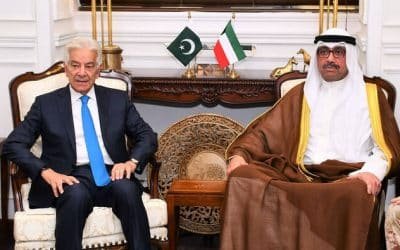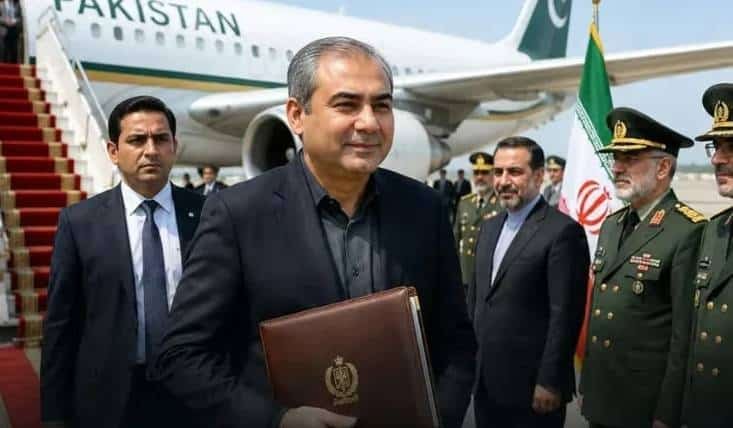



ISLAMABAD — Pakistan has launched urgent high-level diplomatic maneuvers to rescue a fragile ceasefire between the United States and Iran that currently stands on the brink of collapse. Interior Minister Mohsin Naqvi arrived in Tehran for his second unannounced emergency visit within a single week, carrying a crucial baseline message aimed at breaking the severe negotiating deadlock. The frantic diplomatic push comes as Washington and Tehran trade severe warnings, raising the specter of a wider regional conflict if backchannel communications fail. Acting as a central intermediary, Islamabad is actively relaying vital position papers between both capitals to preserve the narrow window for a comprehensive regional peace deal.
اسلام میں جو مذاکرات ہو رہے ہیں میرامطالبہ ہے کہ اس کو اسلام آباد پیس اکارڈ کا نام دیا جائے پاکستان کی جانب سے جو سفارتکاری ہو رہی ہےوہ کوئی ایونٹ نہیں ہے بلکہ مذاکرات کاعمل ہے جو ایک دن میں نہیں ہوسکتا اس کے مختلف دور ہونگے اور ایران امریکہ کسی نہ کسی امن معاہدے پر ضرور پہنچ… pic.twitter.com/DBJuKIatA3
— Muzamal Suharwardy Team (@MSuharwardy_) May 21, 2026
Key Highlights
- Interior Minister Mohsin Naqvi traveled to Tehran twice this week to rescue a shaky ceasefire.
- US President Donald Trump warned of a resumption of military strikes without a swift agreement.
- Tehran threatened that any renewed hostilities would quickly explode beyond the Middle East borders.
- Core disagreements persist regarding Iran’s active nuclear development and the strategic Strait of Hormuz.
- Saudi Arabia formally endorsed the ongoing mediation efforts managed by Pakistani diplomatic channels.
The emergency contacts are unfolding under immense global pressure after US President Donald Trump claimed that talks were entering their final, critical stages. The White House has issued a strict, limited timeframe for a resolution, threatening immediate military action if a comprehensive agreement is not inked. In response, Iranian President Masoud Pezeshkian clarified that while all diplomatic paths to avert war remain open, any direct US aggression would trigger a massive defensive response expanding well beyond the geographic limits of the Middle East. While Naqvi coordinates closely with Iranian leadership and the Islamic Revolutionary Guard Corps (IRGC), subtle undercurrents continue to test the mediation, particularly regarding Islamabad’s ties with Washington and Tehran’s ongoing engagements with New Delhi.
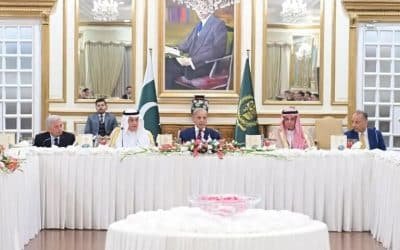
Meanwhile, Pakistan’s extensive mediation strategy has garnered crucial backing from major Gulf Arab nations anxious to protect global energy transit corridors. Saudi Foreign Minister Faisal bin Farhan Al Saud praised the Pakistani initiatives on social media, urging Iran to seize this finite diplomatic window to restore full maritime freedom in the Strait of Hormuz. Concurrently, Turkish President Tayyip Erdogan held a telephonic discussion with President Trump to welcome the temporary ceasefire extension, echoing Islamabad’s stance that a logical compromise remains fully within reach. As defense observers speculate on potential follow-up military diplomacy visits, Pakistan’s foreign office remains completely focused on preventing a catastrophic breakdown in regional stability.