




During the increased regional tensions, Field Marshal Syed Asim Munir has become the face of Pakistan’s military and strategic impasse as a leader who represented Pakistan on multiple fronts. As Chief of Army Staff, he has managed crises with a unique combination of poise, coordination as well as firmness which garnered him both respect at home as well at foreign forums.
A Decisive Victory Over India in the Military Standoff
The 2025 India-Pakistan war was a turning point in the dynamics of the region. Pakistan retaliated as a result of the continued Indian violence in Kashmir and air raids that resulted in the deaths of Pakistani civilians. FM Asim Munir ordered a response that has been widely praised by analysts as both surgically accurate as well as thorough and devastating. The launching of Operation Bunyan-um-Marsoos helped reassert Pakistan’s authority in the region. Its successful execution re-established Pakistan as a strong nation that will not be deterred by Indian misadventure and will not tolerate any threat to its sovereignty. The government recognized the COAS’s efforts and promoted him to the rank of Field Marshal for his decisive victory in the May 2025 conflict. He was made the second Field Marshal of Pakistan by the federal cabinet on 20 May 2025. Asim Munir’s measured reaction was lauded for his show of strength without bluster. Strategic analysts also noted that the Field Marshal planned and executed measured deterrence, affirming Pakistan’s preparedness without any catastrophic escalation.
You May Like To Read: Pakistan’s Field Marshal Asim Munir Awarded Azerbaijan’s Patriotic War Medal for Military Cooperation
Maintaining the Indus Waters Treaty: A Legal Front
Apart from the battlefield, FM Asim Munir’s leadership also shined on the legal front. The Permanent Court of Arbitration recently handed a victory to Pakistan on the issue of India’s proposed hydropower projects along western-flowing rivers thereby upholding the treaty. Pakistan embraced the ruling while India responded by denying the court’s jurisdiction.
The COAS pressed on this matter at every platform and international visits. He warned that Pakistan would “wait for India to construct a dam… then destroy it with ten missiles” This metaphorical statement, which is being quoted by predominantly Indian sources, still stands poignant in highlighting his commitment to protect Pakistan’s water-sharing rights as per international law. While the statement may sound diplomatically confrontational, such speech conveys a robust deterrent stance in the defense of national interest. The FM was lauded on local as well as global forums for holding no bars when it comes to the sovereignty of his nation.
The Man who has rattled India after giving a red face in the battle field, Asim Munir is straitjacketing India with his skilful military and economic diplomacy: designating BLA and Majeed Brigade ‘the crown pieces of Indian long arm terrorist outfits’ from USA state department… pic.twitter.com/LhoOpkoYgg
— The Intel Consortium (@IntelPk_) August 12, 2025
Source: X
Annihilating Indian Terror Proxies in Balochistan
The most important display of FM Asim Munir’s leadership has been observed in his crackdown against terror groups in Balochistan, most of whom are supported by Indian spies.

Source: Instagram (@dawn.today)
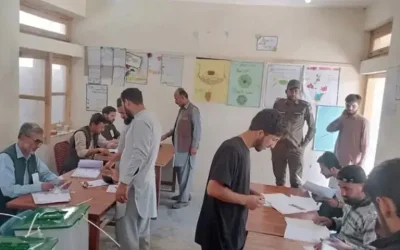
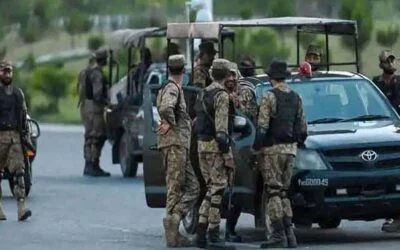
In June 2024, Operation Azm-e-Istehkam was launched which is ongoing through 2025. COAS Asim Munir has directed concentrated counter terror sweeps throughout Khyber Pakhtunkhwa and Balochistan, bringing together military, intelligence, and civilian tools. ISPR reported several intelligence-based operations which cleared militants affiliated with Indian proxy organizations including Fitna al Khawarij and the Baloch Liberation Front:
12 terrorists eliminated in KP and Balochistan during the May 2025 operations.
Three more militants of the Baloch Liberation Front cleared in Gishkur and Turbat. During the Baloch Grand Jirga in Quetta, COAS Asim Munir reiterated that India’s proxy war ‘is no longer hidden’ thereby assuring that such ‘nefarious designs will fail’ with the backing and support of the Baloch nation. While chairing a Corps Commanders’ Conference in February 2025, FM Asim Munir assured that all foreign-backed proxies will be foiled and any attempt to destabilize Balochistan will be met with a befitting response.
Source: Dawn
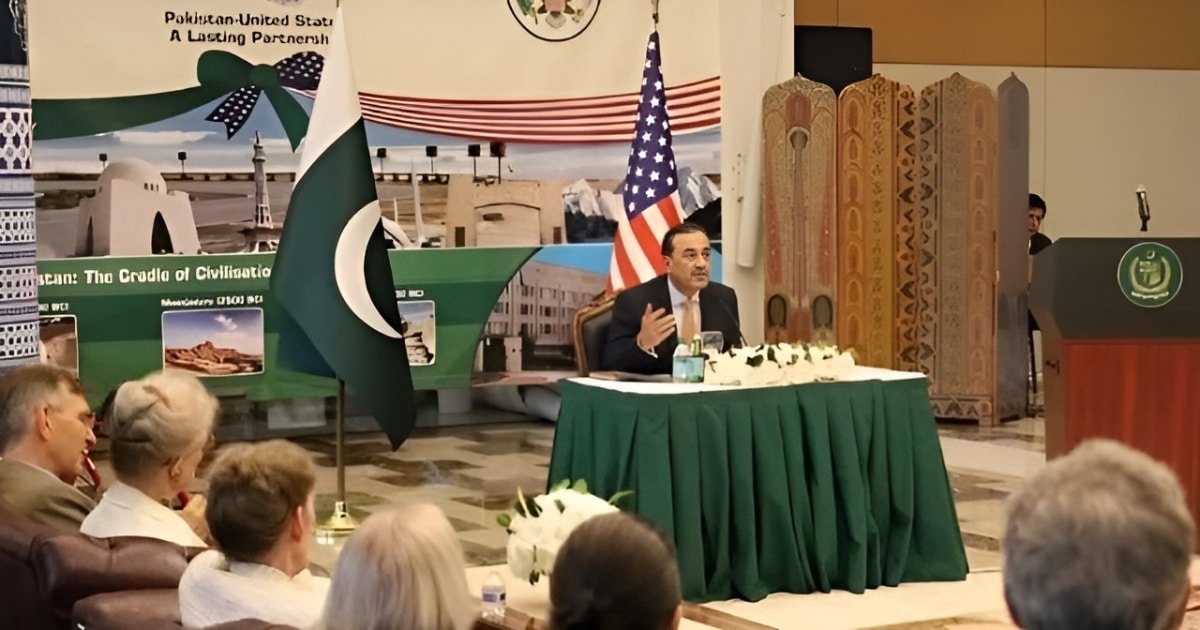
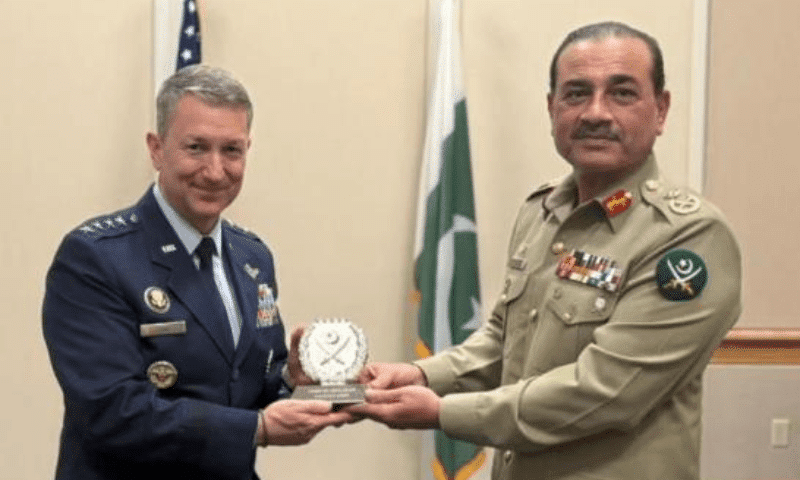
The Army Chief’s recent visit to the US is being welcomed as a great success for Pakistan’s international position. Sources are attributing this visit to the US move to designate Indian-backed outfit ‘Fitna-ul-Hindustan’ as an international terrorist organization. This terrorist organization has had direct contacts with India’s intelligence wing RAW, its logistic and financial backbone. India, through BLA, has a history of planning terrorist activities against Pakistan. RAW also gave its members medical assistance and protected them through Indian media. The arrest of Kulbhushan Jadhav and public confessions by PM Modi and NSA Ajit Doval is public evidence of India’s involvement in terrorism on Pakistan’s soil. India’s actions not only endanger regional but also global peace. FM Asim Munir’s recent visit vindicates Pakistan’s consistent stance against terrorism worldwide. These actions encompass not only surgical military strikes but a wider strategy of securing the trust of local communities, uprooting terror infrastructure, and upholding state sovereignty.
You May Like To Read: Global Recognition of Pakistan’s Stance: How the BLA/FAH Terror Designation Strengthens Islamabad’s International Position
Field Marshal Asim Munir’s leadership is a benchmark for a contemporary model of military leadership. His leadership shines not only in wartime but also when it comes to legal defense, strategic communication and institutional cohesion. In the 2025 India-Pakistan crisis, he achieved tactical victory and policy integration. Similarly, in the Indus Waters controversy, he merged legal advocacy with bold symbolism thereby uniting the nation. In Balochistan, he paired deadly precision with regional engagement to clear out terrorist outfits. Such a multi-pronged strategy is characteristic of a revolutionary military doctrine. One that is based on national resistance, deterrence, and sovereignty protection. At the helm of Pakistan military and civilian stance under FM Asim Munir, the approach has developed beyond aggression to include legal sophistication, intra-nation synergy as well as regional credibility.