

The Contradictory Silence: What the TTP’s Retreat Tells Us About the Hidden Fight
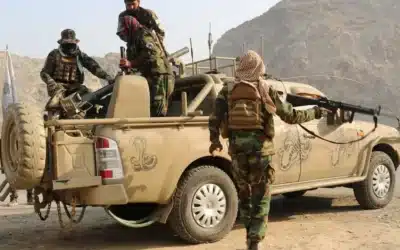
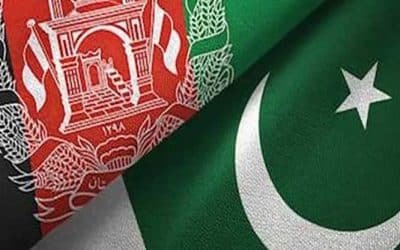
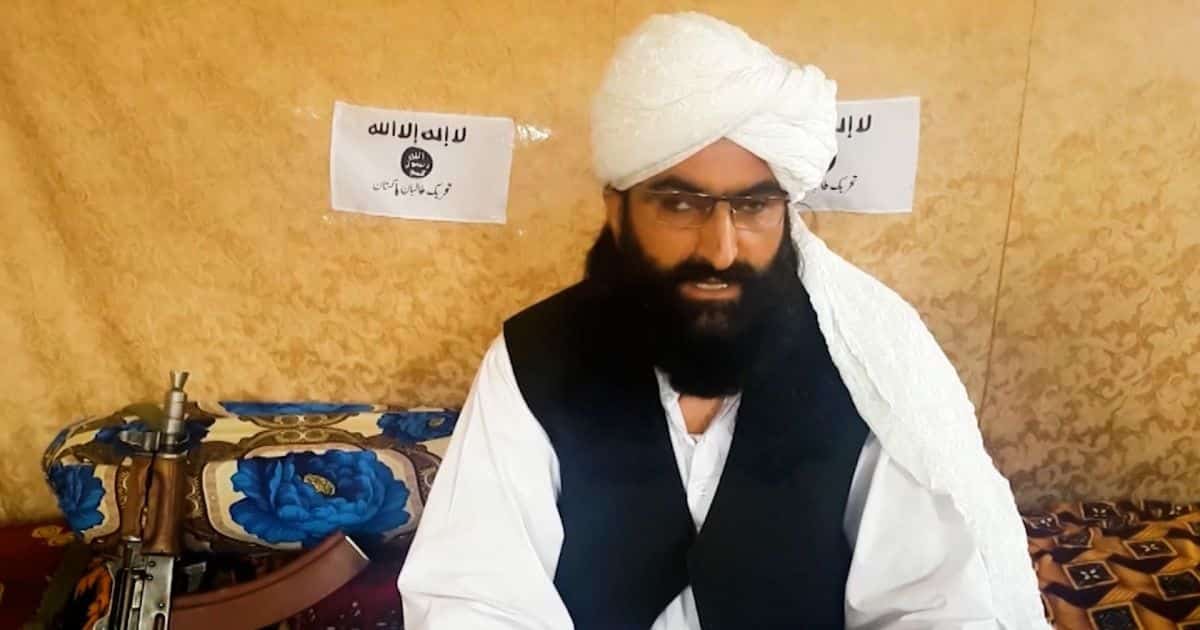
The quietest news from our western border is often the loudest—especially now, when Pakistan and Afghanistan have just pulled back from the brink of failed negotiations, only to revive them at the host’s insistence for November 6 in Istanbul. Against this backdrop, and days after our forces eliminated the TTP’s second-in-command, Qari Amjad (Mufti Muzahim) in Bajaur as he tried to infiltrate from Afghanistan, fresh reports carry extra weight. Security circles are buzzing: the Tehrik-i-Taliban Pakistan (TTP), now known as Fitna al Khwarij (FAK), has told its fighters to stop all attacks inside Pakistan and slip back to their hideouts across the line.
If these murmurs are real—and they come from leaked voice clips and orders passed down from top TTP command to its local units—it means the ground is moving under our feet. These orders tell fighters to take the same mountain paths and lean on the same village contacts they used to sneak in. This sudden pullback raises three burning questions, each tied to the deep contradictions that shape militancy in our AfPak region.
1. پاکستان نے مذاکرات میں افغان طالبان سے واضح طور پر مطالبہ کیا کہ وہ TTP کے ٹھکانے ختم/خفیہ نیٹ ورکس بے اثر کریں اور TTP کے خلاف قابلِ پیمائش کارروائیاں (sustained, verifiable action) کریں — یعنی مسلح گروہوں کو افغان سرزمین سے پاکستان میں حملوں کے قابل نہ بننے دیا جائے۔
— Abdullah Hussain (@ManOfOneGod) October 31, 2025
The Old Curse: FAK/TTP’s Inner Fights and Shaky Unity
The TTP looks united today under its leader, Noor Wali Mehsud, but that unity is fresh and fragile. The TTP has always been a patchwork of tribes and clans, not a proper army. Its past is full of crises and leadership rows, and this retreat might just be the latest chapter.
Years of Splits
The group was rocked by the deaths of its early leaders—Baitullah Mehsud (killed in 2009) and Hakimullah Mehsud (killed in 2013) in drone strikes or raids. Those losses broke central control; factions fought over strategy and beliefs.
A Fresh Blow
The recent killing of Qari Amjad in Bajaur has forced a pause. Losing a big name starts arguments over who leads, what comes next, and how to stay safe. Pulling back to Afghanistan gives them a quiet corner to settle scores, redraw plans, and tighten the chain of command without our forces breathing down their necks. In short, the TTP is taking a needed breather before the next fight.
Mehsud’s Patchwork
Since 2020, Noor Wali Mehsud has pulled nearly two dozen splinter groups together, giving them some freedom in a “federal” setup while picking smarter targets—army and police, not random civilians. That helped them rebuild. But old tribal rivalries or hardline beliefs can still tear the coalition apart.
The Ideological Clash: TTP’s Risky Global Ties
The most dangerous part is the FAK/TTP’s thinking—ties that put it at odds with its own allies and expose the contradictions of calling Pakistan a “Muslim” state.
The TTP follows the same strict Deobandi path as the Afghan Taliban (TTA), but it embraces a wilder, global jihad that the TTA, now running a country, tries to avoid.
TTP and Al-Qaeda: The TTP stays close to Al-Qaeda in ideas, networks, and the dream of worldwide holy war.
TTP and ISIS-K: Officially, they clash with ISIS-Khorasan, but many ISIS-K founders were ex-TTP men who thought the TTP too soft. The radical overlap is real.
Clash with the TTA: The Afghan Taliban in Kabul is talking to neighbours and world powers, including countries the TTP calls enemies. That creates a split: the TTA wants to govern and deal, but the TTP sees any handshake with India or the West as selling out.
So the TTA’s position is tricky: it shelters groups that attack Pakistan, won’t fully accept the border, yet chases diplomacy with the same nations the TTP wants to fight. The TTP calls Pakistan un-Islamic and a Western puppet that must fall, while the TTA meets Western envoys and courts India.
Challenging the Brother: A TTP Power Play
The most gripping angle is that the TTP is using this retreat to pressure its Afghan hosts.
The TTP’s whole story is that Pakistan’s state is an American puppet that must collapse. Meanwhile, the TTA is negotiating in Istanbul and seeking ties with India—moves the TTP hardliners see as betrayal.
By pulling fighters back and regrouping on Afghan soil, the TTP is sending a clear message: “We’re still here, brothers. Don’t trade us away in Istanbul.”
It’s a tightrope of threat and loyalty. The TTP still needs Afghan safe havens for weapons, training, supplies, and men. But by stepping back right now, they remind the TTA that if Kabul agrees to hunt or expel them, trouble can flare inside Afghanistan fast. A ceasefire that looks peaceful on paper can be blackmail in practice, keeping negotiators careful.
نور ولی محسود کا اہم پیغام
تمام کارروائیاں منسوخ، مجاہدین کو افغانستان واپس جانے کی ہدایت#مقصد_ایک_خان_کی_رہائی pic.twitter.com/G819ewsbQz— Abdullah Hussain (@ManOfOneGod) October 31, 2025
The Border Is Boiling – And Silence Speaks Loudest
Whatever the reason—diplomacy, inner cracks, or a power play—the TTP remains the main spark between the two countries. The frontier is a messy zone of tribes, loyalties, and shifting deals; a “quiet week” can explode overnight.
Pakistan is watching every step. Leaders know this lull might be short. Intelligence keeps coming; troops stay on alert. In our part of the world, silence often speaks louder than speeches. When guns go quiet without a treaty, new plans are brewing—maybe the TTA testing gestures, maybe the TTP licking wounds or issuing threats, or maybe all of it.
For ordinary people, these moves decide who sleeps safely. Every ceasefire lets a mother on the frontier breathe easier for one night, but she knows the calm is temporary. That is the curse of living where faith, politics, poverty, and tribal ties collide. As winds shift before Istanbul, Pakistan cannot look away, not even for a second.