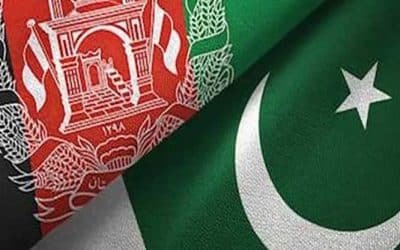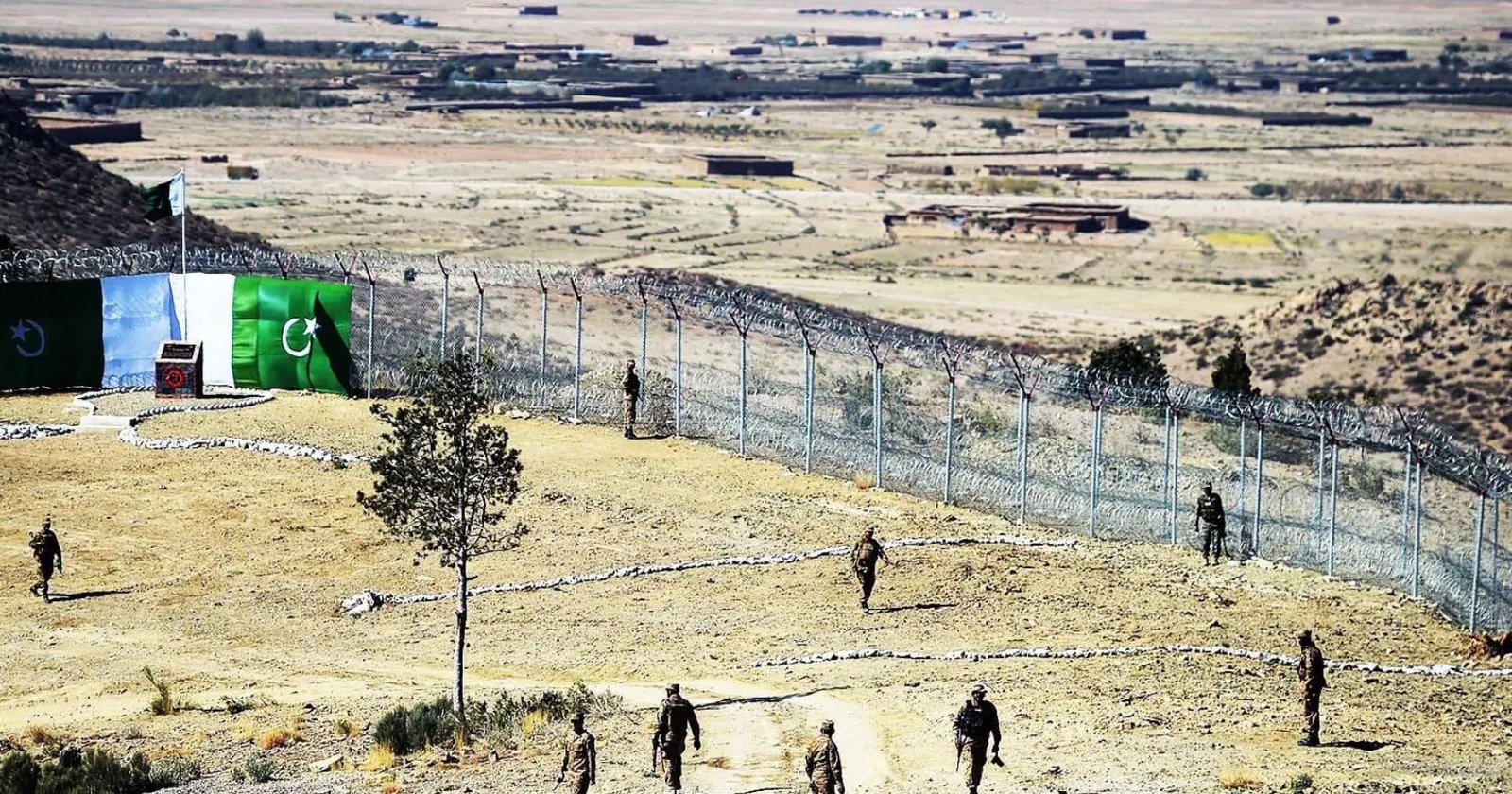


ISTANBUL, Oct 31: Pakistan and Afghanistan have agreed to continue their ceasefire following a series of high-stakes negotiations in Istanbul, ending days of uncertainty after tensions flared along the shared border earlier this month.
The understanding was reached early Friday after Türkiye and Qatar intervened to salvage the dialogue process, which had appeared to collapse midweek when Pakistan announced that talks had “failed.” The second round of discussions, held in the Turkish city since Saturday, aimed to address Islamabad’s concerns over cross-border militant activity and to prevent further escalation between the two neighbours.
Joint Statement on the Talks Between Afghanistan and Pakistan Through the Mediation of Türkiye and Qatar https://t.co/y1SH30i88Q pic.twitter.com/wH4GW3SC9k
— Turkish MFA (@MFATurkiye) October 30, 2025
A joint statement released by Türkiye’s Ministry of Foreign Affairs confirmed that both sides had agreed to extend the ceasefire and establish a monitoring and verification mechanism to ensure compliance. The mechanism will reportedly include measures to hold accountable any party found violating the truce.
“All parties have agreed to put in place a monitoring and verification mechanism that will ensure maintenance of peace and impose a penalty on the violating party,” the statement read.
Türkiye and Qatar, which co-mediated the talks, expressed appreciation for what they called the “active contribution of both parties” and pledged to continue supporting efforts toward lasting peace and regional stability.
Next Round in Istanbul
According to the joint communiqué, “further modalities of the implementation” will be discussed during a principal-level meeting scheduled for November 6 in Istanbul. Though the statement did not specify the participants, diplomatic sources suggested that the defence ministers of both countries — who led their respective delegations in the first round in Doha — are expected to attend.
Pakistani Defence Minister Khawaja Asif, who had earlier warned Kabul of the consequences of inaction against militants, said the talks in Istanbul had shown a “ray of light.”
“Different drafts are being exchanged for an eventual agreement. There is guarded optimism. Let’s hope some shape emerges from this,” Asif said in an interview with Geo News.
He also lauded the mediation efforts of Türkiye and Qatar, calling them “respected well-wishers” of Pakistan.
Core Disputes and Demands
At the heart of Pakistan’s position was its demand that the Taliban government in Kabul take “clear, verifiable and irreversible action” against the Tehreek-i-Taliban Pakistan (TTP) and other groups involved in attacks inside Pakistan.
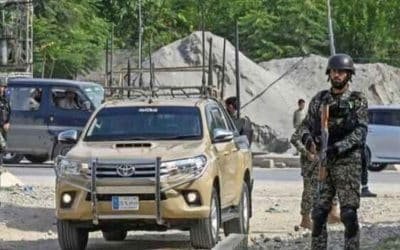
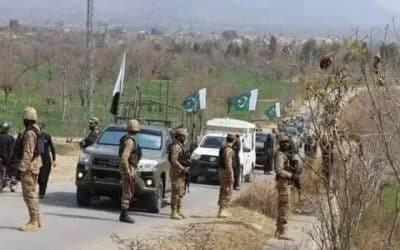
Army Chief Field Marshal Asim Munir, speaking earlier in Peshawar, reiterated that while Islamabad seeks peace with all neighbours, it “will not allow cross-border terrorism to be perpetrated from Afghan soil against Pakistan.”
The Afghan Taliban delegation, however, maintained that it cannot fully control TTP fighters. A senior Taliban official stated that Afghanistan had offered to detain or expel any TTP members found on its territory, but insisted that most of the attacks originate within Pakistan.
“These fighters are Pakistani nationals operating inside Pakistan,” the official said.
Pakistan has also urged Kabul to formally designate the TTP as a terrorist organisation and publicly denounce it. Direct exchanges between the delegations reportedly remained minimal, with mediators handling most communication throughout the five-day discussions.
Persistent Mistrust
While the Istanbul accord marks a diplomatic breakthrough, foreign diplomats cautioned that deep mistrust continues to overshadow the relationship.
“This is a framework for peace, not yet peace itself,” one diplomat noted. “It will take sustained verification, discipline and trust to make it hold.”
Afghanistan, meanwhile, has rejected Pakistan’s accusations of harbouring militants and instead accused Islamabad of violating its sovereignty through airstrikes and allegedly allowing U.S. drones to use its airspace — claims Pakistan denies.
You May Also Like: No-confidence motion against AJK PM ready as PPP, PML-N join hands
Background to the Talks
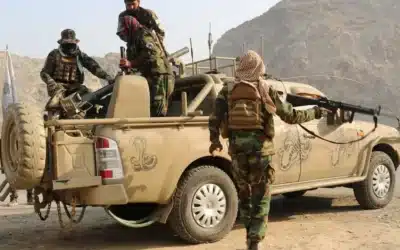
The latest hostilities erupted on October 11, when militants launched an attack on Pakistani territory from across the border, prompting retaliatory strikes reportedly targeting militant camps in Afghanistan. The incident followed months of tension over security operations and cross-border accusations.
Following initial clashes, both sides met in Doha, where they agreed on a temporary ceasefire and scheduled further discussions in Istanbul. The latest round of talks, mediated by Türkiye and Qatar, initially appeared close to collapse before the two facilitators helped both delegations reach a new understanding.
Despite the fresh agreement, analysts say the future of Pakistan-Afghanistan relations will hinge on whether both sides can implement their commitments and build confidence through the proposed monitoring mechanism.
Check out our latest video: