




Introduction: The Need for Balance
Tourism is one of the fastest growing industries worldwide, and Pakistan has great potential to benefit from it. Our country has mountains, beaches, deserts, and historical sites that attract visitors. However, tourism can harm the environment if it is not managed well. Waste, deforestation, and pollution are common problems in tourist areas. To avoid this, Pakistan needs a policy that balances nature and economic growth. The question is: how can we allow people to enjoy Pakistan’s beauty without damaging it? Sustainable tourism offers one answer.
You May Like To Read: The Shutting Down of Illegal Seminaries: Progress So Far
Tourism and Pakistan’s Economy
Tourism can boost Pakistan’s economy. According to the International RASD Journal, the sector contributed more than US $16 billion in visitor spending in 2022. This money helps businesses, provides jobs, and brings foreign exchange. Hotels, restaurants, transport, and handicrafts all benefit from visitors. Popular places such as Murree, Skardu, and Hunza show how local businesses grow when tourists arrive. If this sector is made sustainable, its benefits will spread more widely. Eco-tourism, which means tourism that respects nature, is especially useful for remote areas. It allows communities to earn while protecting their surroundings.
Steps Taken So Far

Source: Tree plantation Drive in KPK
Pakistan has made some efforts towards sustainable tourism. The “Billion Tree Tsunami” in Khyber Pakhtunkhwa restored forests and earned international recognition from UNEP and IUCN. Nationally, the “Plant for Pakistan” campaign aimed to plant 10 billion trees across the country. Another important step is TREK (Tourism and Environmental KP), supported by the World Bank and Nestlé. This project trained more than 650 people in hotel and restaurant industries on how to reduce waste and follow eco-friendly practices. These examples show that Pakistan has begun the journey, but the road is still long.
Source: Tree plantation Drive in KPK
Weakness in Current Policies
Despite these efforts, Pakistan still faces policy gaps. The Tourist Guides Act (1976) and Travel Agencies Act (1976) have no real focus on protecting the environment. A recent study noted that tourism growth, trade, and infrastructure development have sometimes hurt environmental quality due to weak regulations. In Murree, for example, waste and poor planning have caused land degradation. To make tourism safe for nature, Pakistan must update laws and introduce stricter rules. New regulations should include sustainability standards and penalties for those who damage the environment.
Infrastructure Challenges
Infrastructure plays a central role in tourism. Without good roads, visitors cannot reach many beautiful areas. But careless development can damage the same areas it is meant to promote. The Kohsar Tourism Expressway project, connecting Rawalpindi to Muzaffarabad, shows this dilemma. It promises jobs and accessibility but could harm forests if built without safeguards. Eco-friendly infrastructure means building roads with minimal deforestation, creating rest areas with proper waste management, and ensuring water systems are not polluted. Pakistan must invest in green infrastructure, not just basic construction, to make tourism sustainable.
Community-Led and Eco-Tourism Models
Some projects show how tourism can benefit both nature and people. In Gilgit-Baltistan, Offto Resort works with local communities by sharing revenue and using eco-friendly materials. Similarly, Villa Ayun in Chitral uses solar power, composting, and small hydel plants to run operations without harming the environment. These models prove that small-scale, eco-friendly tourism can succeed. When locals benefit directly, they also protect the environment. Scaling up such community projects can help more areas prosper. This approach not only reduces poverty but also encourages people to protect natural resources. 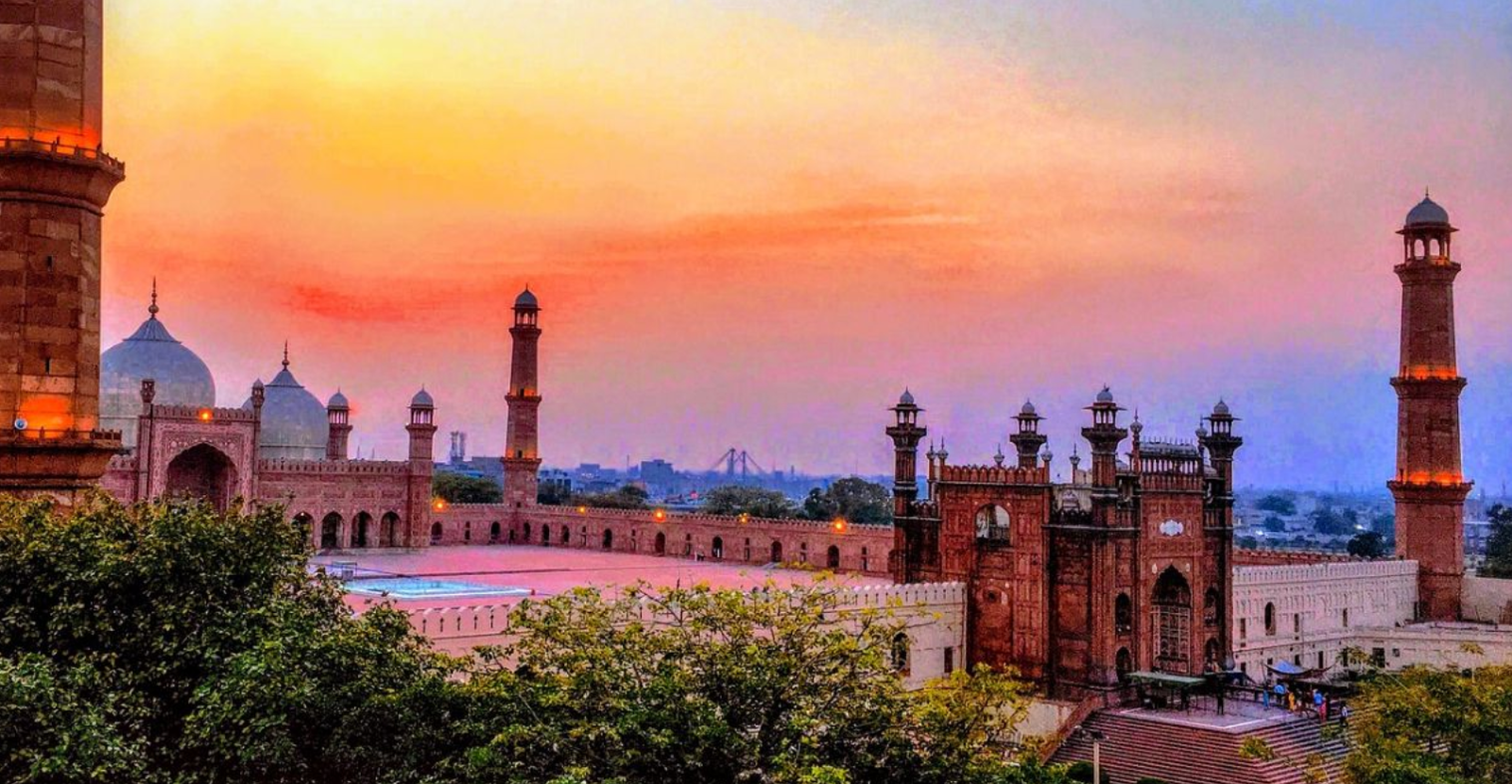
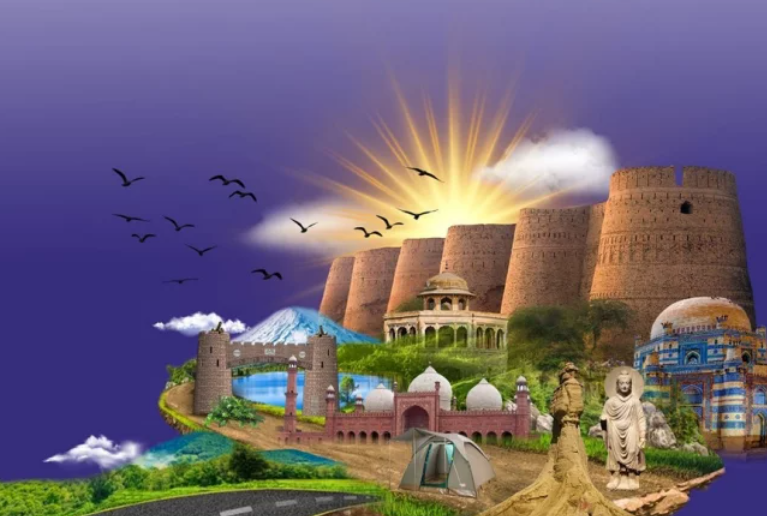
Source: Tourism Potential in Pakistan
Safeguarding Biodiversity
Protected areas are vital for nature-friendly tourism. Pakistan has 13% of land marked as protected areas and aims to reach 17% by 2030. Sites like Ziarat Juniper Forest and Bashkar Chitral Garmchashma are now biosphere reserves. These zones allow eco-tourism, but only if carefully managed. Limits on visitors, use of local guides, and strict “no litter” rules can protect biodiversity while generating income. If poorly managed, however, even protected areas can become degraded. The challenge is to balance visitor experience with conservation.
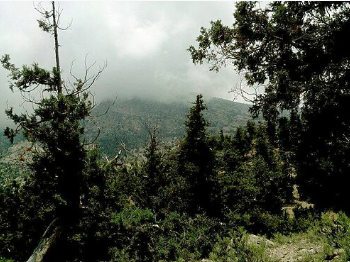
Source: Ziarat Juniper Biosphere Reserve
Social Media and Awareness
Social media has become a powerful tool in shaping how people see tourism. A study in Rawalpindi and Islamabad found that platforms like Twitter and Facebook raised awareness about responsible tourism. Another research paper showed that tweets can promote sustainable tourism ideas and change visitor choices.
Major Challenges
Despite progress, several challenges remain. Overcrowding in Murree has led to waste and traffic problems, drawing public criticism on social media. Security perceptions, linked to militant groups like FAK and FAH, also discourage international tourists. Climate change adds another threat, as glaciers melt and weather patterns shift. Poor waste management in tourist areas remains unresolved. Without stronger planning, these issues can undo the benefits of eco-tourism. Sustainable tourism will not succeed until both governance and public behaviour improve.
Policy Recommendations
Pakistan needs a clear plan. Recommendations include:
- Update old laws with sustainability standards.
- Encourage public-private projects like TREK and Offto Resort.
- Invest in green infrastructure instead of cutting forests.
- Expand protected areas and train local guides.
- Use social media to spread eco-friendly messages.
These steps combine government support with community involvement. Success depends on enforcement, awareness, and monitoring. If done well, tourism can be a steady source of income while protecting nature.
Conclusion: A Roadmap for Pakistan
Sustainable tourism is not just an environmental idea, it is an economic necessity. Pakistan can grow its economy, create jobs, and protect nature at the same time. But this requires stronger laws, community-led models, eco-friendly infrastructure, and constant awareness campaigns. The examples of TREK, Offto Resort, and the Billion Tree Project show that progress is possible. If Pakistan stays consistent, tourism will not only bring foreign visitors but also ensure that our natural beauty remains safe for future generations. Tourism without damage is possible—with careful planning and honest execution.
You May Like To Read: The Role of Rangers in Securing Cities During National Celebrations