




Introduction: Why Witnesses Matter
Witnesses are a vital part of a justice system. They help reveal the truth in court. Their statements can establish guilt or innocence. However, in Pakistan, many people are afraid to speak out. They fear that testifying could lead to attacks or even death for themselves or their families.
This fear causes many people to stay silent. Some even withdraw their statements under pressure. As a result, many criminals remain at large. When witnesses do not feel safe, the entire justice system becomes weaker. The truth remains concealed. Victims do not receive justice. And trust in the courts diminishes.
The Problem in Pakistan
Pakistan lacks a robust, functioning system to protect witnesses. Some provinces, such as Sindh, have enacted laws. The Sindh Witness Protection Act 2013 was the first of its kind in the country. However, even in Sindh, the system is seldom utilised. In other provinces like Punjab, Balochistan, and Khyber Pakhtunkhwa, there is no proper witness protection legislation at all.
In 2021, the Human Rights Commission of Pakistan (HRCP) reported that threats to witnesses are one of the main reasons criminal cases fail. This is especially true in cases of terrorism, murder, and gang violence. People often refuse to testify, disappear, or change their stories because they are scared.
Even when courts or police intend to assist, they often lack the appropriate tools, funding, or training to safeguard witnesses effectively. This results in injustice and complicates the effort to combat serious crime.
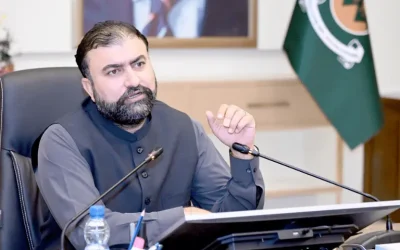
New Law introduced by Mr. Kamran shahid
"If Any Person is allegedly abducted, his whereabouts remain unknown to his family or lawyers, he is never produced before any competent court, he MAY suddenly surrender before any competent media house for an interview, thereafter he… pic.twitter.com/6BS4Ip1jeJ
— khadija siddiqi (@khadijasid751) October 5, 2023
How the Lack of Protection Hurts Justice
The harm caused by weak witness protection is real. In 2023, a report by the Legal Aid Society revealed that over 60% of terrorism cases in Karachi failed because witnesses were too frightened to testify.
This problem also delays court cases. Trials can drag on for years when key witnesses are missing. Victims lose hope, and criminals feel emboldened. This creates a cycle where more people avoid courts because they do not trust the system to keep them safe.
What Needs to Change
Pakistan needs a nationwide witness protection program that works across all provinces. This program should:
- Provide safe housing for at-risk witnesses and their families.
- Allow witnesses to use fake names or new identities when needed.
- Keep their information secret from the public and even from some court officials.
- Offer legal and financial support if they lose their job or need to move.
- Establish rapid-response security teams to respond promptly when a threat is reported.
Countries like the United States, the United Kingdom, Canada, and Italy already utilise these tools effectively. Pakistan can learn from their experiences and develop a system that suits our own needs and culture.
Islamic Teachings: Faith and Fairness
Islam teaches us to uphold the truth, even when it is challenging. The Quran and Hadith emphasise the importance of justice, honesty, and safeguarding the innocent. In Islam, testifying truthfully is not just a civic duty—it is a moral obligation.
But people cannot be expected to tell the truth if their lives are at risk. Helping and protecting witnesses is part of upholding justice, which is a fundamental Islamic value. It is also a way to show care for those who risk themselves to assist others.
Why Protection Helps Everyone
A good witness protection program is not only about helping individuals—it helps everyone. When witnesses feel safe:
- They are more likely to speak the truth.
- Courts can punish the guilty and free the innocent.
- Police investigations become stronger and more reliable.
- Public trust in the justice system continues to grow.
People will also be more willing to report crimes or come forward as witnesses. That is how a justice system should function: fairly, safely, and based on mutual trust.
What Has Been Done So Far
Some steps have been taken, but progress remains slow. As mentioned earlier, Sindh enacted a law in 2013, yet it has seldom been implemented. In 2022, the Supreme Court of Pakistan once again urged the government to address this issue seriously. It called for clear national policies and robust protection systems.
Punjab and KP have discussed creating similar laws but have not made progress. Balochistan remains behind. In most parts of the country, witnesses do not know whom to contact for help. Police stations are not trained to provide protection. And there is no central national database to track threats or past cases.
Without a central law and national coordination, most protection depends on luck, personal connections, or temporary police support.
How a National Program Could Work
A national witness protection program can be built in stages:
- Pass a law in Parliament that applies across the country.
- Create a Witness Protection Unit inside the Ministry of Law or Ministry of Interior.
- Establish safe houses in each province, managed by trained personnel.
- Train police, prosecutors, and judges on how to handle protected witnesses.
- Use media, schools, and mosques to raise awareness.
- Engage civil society, religious leaders, and legal experts to inform and guide the process.
Technology can also help. Using coded names, voice changers, online statements, and protected courtrooms are ways to reduce the risk for witnesses while maintaining a fair trial.
Conclusion: Protecting Truth, Protecting Justice
Pakistan’s justice system cannot succeed if witnesses are too afraid to speak. Truth needs protection. Those who help courts must feel safe—not scared.
Building a strong witness protection system is not just a legal step—it is a moral duty and a national need. It will make courts faster, police stronger, and society safer. More people will trust the system and speak up when they see a crime.
The government, courts, police, and media all have a role. But citizens also need to understand that witness protection is about fairness. It is about ensuring justice is based on truth, not fear.
Pakistan has shown progress in many areas. Now it’s time to take this next step—to protect the brave people who help build justice with their words. By doing so, we create a stronger, safer, and more just Pakistan for everyone.