
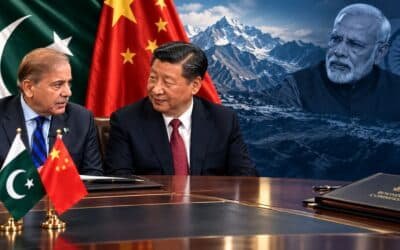


Critics often call the China-Pakistan Economic Corridor (CPEC) a new form of “colonial” exploitation. They even compare it to the British East India Company (EIC). This analogy is misleading. CPEC is a state-to-state development partnership. It is not a private trading company seizing power. Pakistan joined CPEC by choice. It agreed to Chinese-financed infrastructure and energy projects. Both governments signed memoranda of understanding. Nothing is being forced on Pakistan.
As one Pakistani policy analyst notes, colonialism meant a powerful nation taking political control and exploiting a colony. CPEC is different. It is built on mutual consent. Pakistan retains control over land use. The projects target Pakistan’s own needs in energy security and development.
Pakistan’s Sovereignty and Legal Safeguards under CPEC
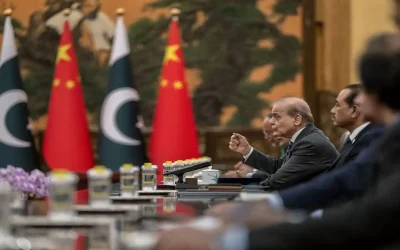
Sovereignty is central. In 1700, the Mughal Empire had no idea of negotiated foreign investment. Pakistan today is a sovereign state. Its constitution, parliament, and courts work independently. Any Indian attempt to cut Pakistan’s water supply is seen as an act of war. In the same way, Pakistan would never allow Chinese companies to dictate policy or rule territory. Pakistani regulators and courts already assert control. NEPRA, the power regulator, rejected a Chinese firm’s demand for higher tariffs and capped the rates.
The Supreme Court blocked a Chinese company from bidding on the Dasu hydropower project. Local courts also stopped a Chinese firm from taking control of the Sost dry port. These actions show Pakistan’s institutions enforce checks and balances. Chinese contractors cannot bypass China’s influence is not absolute or arbitrary like the East India Company. Pakistan keeps an independent political and institutional system. Its sovereignty and legal framework ensure it will not become a Chinese colony under CPEC. Li Jihan Zhao, Deputy Head of the Chinese mission, called comparisons of CPEC to the East India Company “ridiculous” and “the joke of the century.” He encouraged international investors to put their trust in Pakistan’s growing economy.

Source: Dawn
Investment, Risk, and Growth under CPEC
The economics differ sharply from 18th-century mercantilism. The British East India Company came to plunder the wealth of a rich subcontinent. Pakistan’s case is the reverse. China is the world’s second-largest economy with foreign reserves of about $3.3 trillion. Pakistan is modest, facing energy shortages and security problems. Still, Senate officials have warned that Pakistan could face a heavy debt burden under CPEC.
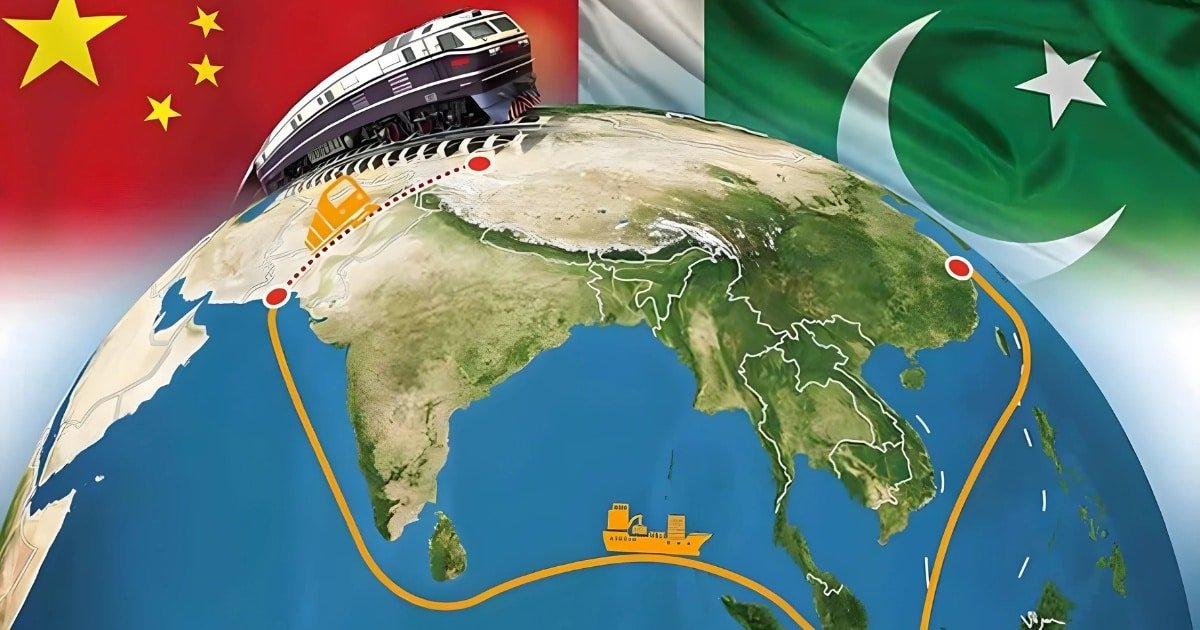
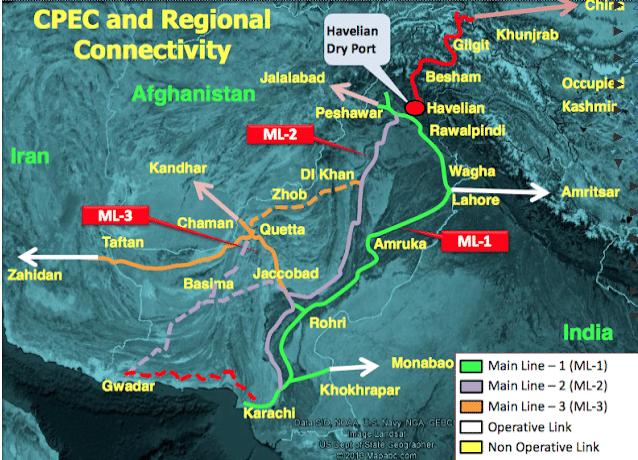
This concern actually disproves the colonial analogy. If Pakistan were rich, China might compete to invest. Instead, China is taking a major risk where others would not. As a Pakistani analyst notes, no other country would dare invest so much in Pakistan as China has. Pakistan needs China more than China needs Pakistan. China’s goal is to build trade routes, linking Gwadar to Kashgar and beyond. Since Pakistan’s economy is smaller, CPEC projects mainly channel capital into local industry and infrastructure, steel mills, power plants, roads, and special economic zones, rather than exploiting natural resources.
Source: Riaz Haq
The Balanced Structure of CPEC Financing
The structure of CPEC financing and ownership differs from colonial exploitation. Many energy projects, such as power plants, are funded as foreign equity investments (IPP mode), not sovereign loans. Chinese companies put in capital and earn returns from the plants they build. Pakistan does not just repay loans to China. A UN study notes that most completed projects are equity holdings of foreign investments in the energy sector, not loan-financed.
Pakistan did not just borrow huge sums from China to build plants. Chinese investors put in capital, and Pakistan agreed to buy the power output. Roads and infrastructure do involve loans, but on very soft terms. The Karakoram Highway upgrade and Multan-Sukkur Motorway cost about $8 billion. Many Gwadar projects are outright grants, not loans. This financing mix is very different from the East India Company, which relied on private investors seeking plunder and monopoly. Pakistan’s central bank admits some opacity, but analysts stress that CPEC is not a debt trap. It is mostly investment, grants, and shared infrastructure finance.

Source: Aamawaam
From Shortages to Growth
CPEC brings real benefits that colonialism never gave. Chinese-backed projects have created jobs, upgraded industries, and filled key gaps. Power plants, rail lines, motorways, and ports are being built, with local labor often employed. Evidence from China’s overseas investments supports this trend. In Zambia, about 300 Chinese firms employ around 25,000 workers. In Ethiopia, Chinese shoe factories have boosted exports.
Pakistani estimates suggest CPEC could create about 575,000 direct and 1 million indirect jobs indirectly, as industries grow. Energy projects will supply long-missing electricity to homes and factories. New highways and rail links will boost trade across provinces. In Balochistan, a 43-year lease of 2,300 acres for a special economic zone in Gwadar will bring industrial parks and jobs for locals. These are real gains, unlike the one-way extraction of the East India Company.
Even Chinese commentators reject the neo-colonial claim as false. The state-run Global Times calls the “colonialism” charge a conspiracy theory. It explains that CPEC projects are connectivity infrastructure to modernize and industrialize Pakistan, not to flood it with Chinese goods or undermine sovereignty. Pipelines and power plants help ease Pakistan’s energy shortages, often with local partners and under national regulations.
Source: Global Times
Conclusion
The East India Company comparison does not stand. The EIC was a private colonial force that used conquest to control a wealthier land. CPEC is a modern infrastructure program, signed by two sovereign states, with Pakistan’s leaders negotiating the terms. Pakistan protects its sovereign rights through law, politics, and talks, while aiming for economic growth. A Pakistan-based expert notes that China has never shown an imperialist approach toward Pakistan. Pakistanis may still debate project details to ensure fairness, as with any major deal. But labeling CPEC as “neocolonial” distorts the truth. The evidence shows it is built as a mutually beneficial partnership, far removed from colonial history.
You May Like To Read: Why China’s Investments in Northern Afghanistan Could Reorient Trade Through Pakistan