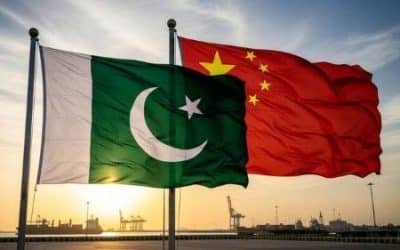





Origins and Symbolism of Pak-China Friendship
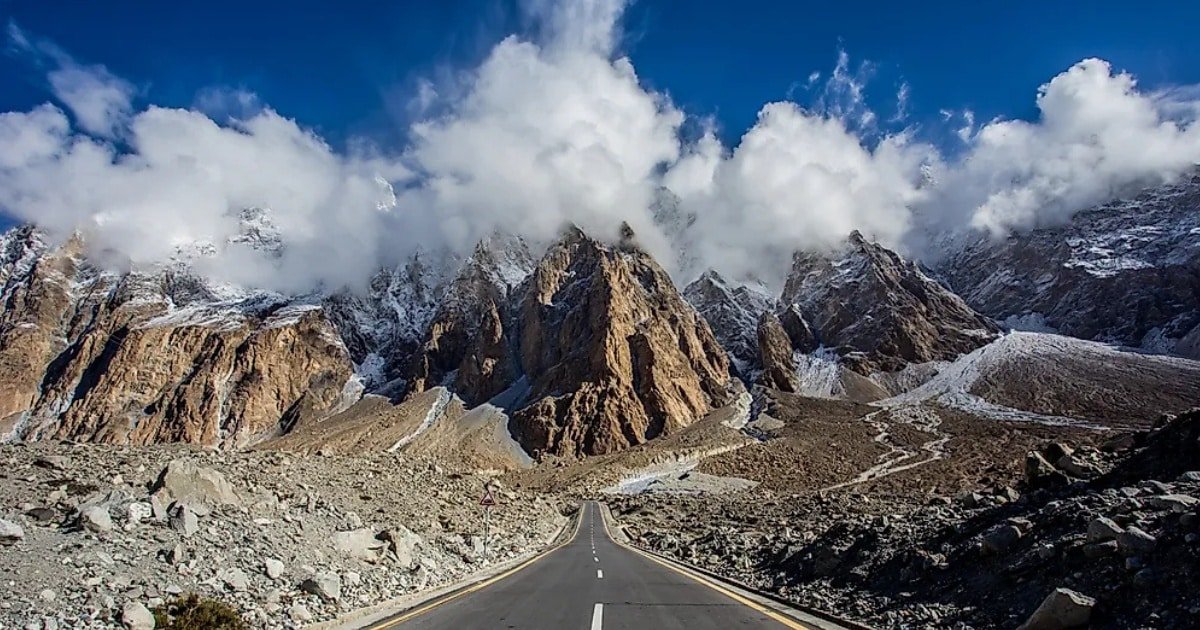
The idea began in the mid-1960s. In 1966-67, Pakistan and China started construction of the highway. It became a symbol of close ties. The Pakistan Army’s Frontier Works Organization (FWO) led construction in hard terrain. Many workers died. China supported Pakistan with engineering and equipment. The highway opened in 1978. It was called the “Friendship Highway” and hailed as the “eighth wonder” of the world. For Pakistan, it was a strategic first. Economic benefits were secondary. In China’s view, it linked Xinjiang to the South Asian region.
Geostrategic Role in Regional Connectivity
The KKH connects northern Pakistan with China’s Xinjiang through the Khunjerab Pass at over 15,397 feet. It provides China with an overland route to Pakistan’s Arabian Sea ports. Along with the Gwadar port, it creates a corridor linking Xinjiang to maritime trade routes. It supports China’s strategic goal of diversifying trade routes and bypassing chokepoints in Malacca and the South China Sea. For Pakistan, the highway links remote northern regions to national infrastructure and global markets.
Integration into CPEC and Recent Upgrades
Pakistan and China launched CPEC in 2013 to upgrade this artery. Under the CPEC, the Highway Authority and Chinese agencies upgraded approximately 800 km of the KKH in Pakistan. The segment between Raikot and Khunjerab (335 km) was widened and rebuilt, featuring bridges and tunnels. The Raikot upgrade cost approximately US$491 million and was completed by the end of 2013. The Attabad Lake landslide in 2010 forced realignment. China-built “Friendship Tunnels” and bridges restored traffic by late 2015. Phase II of KKH includes six tunnels and 105 bridges. It is the largest transport project in CPEC so far. It will create jobs and boost trade. In 2024, Pakistan approved a $2 billion soft loan to complete the Thakot-Raikot section within five years.

Source: The Express Tribune
Strategic Challenges and Future Significance
The KKH is a strategic initiative, but it faces challenges. Weather and geology disrupt the road. High-altitude snow, floods, and landslides can close the highway for days or months. Security is another major concern. Militant attacks have targeted the road and passengers. A 2023 bus attack killed civilians and soldiers near Chilas, raising doubts about an all-weather operation. Pakistan has expanded security for Chinese personnel. China insists on safe corridors under CPEC.
Politically, protests or instability can block road access. In early 2025, local protests in Gilgit-Baltistan blocked trade with China. Despite obstacles, both governments insist on realigning and upgrading inspections. For both Islamabad and Beijing, the highway remains central to their strategic and economic vision.
Soft Power and Cultural Influence
Beyond trade and strategy, the Karakoram Highway fosters deep people-to-people ties. Thousands of Chinese engineers and workers have lived in northern Pakistan. Cultural exchanges, student scholarships, and joint archaeological missions have increased. The KKH enables tourism to flourish, bringing together Pakistani and Chinese travelers.
The road also supports religious and cultural diplomacy, especially during official visits. Pakistan has promoted the highway as a symbol of peaceful coexistence and mutual trust. The shared sacrifices during its construction remain part of national narratives in both countries. The road, thus, is not only a transit route but a cultural bridge.
Role in Disaster Response and Humanitarian Access
The Karakoram Highway also plays a key role during natural disasters and emergencies. During the 2005 Kashmir earthquake and the 2010 Attabad landslide, the KKH was used to transport relief goods and rescue teams to affected areas. China sent emergency aid through this corridor, showcasing the road’s humanitarian value. In 2022, during Pakistan’s devastating floods, China provided food, tents, and medical supplies to remote regions in the north. China and Pakistan share a strong friendship, always supporting each other in times of crisis. The Chinese Foreign Ministry reaffirmed that Pakistan is an all-weather strategic partner. The highway gives both countries the ability to respond swiftly in a crisis. For Pakistan, it enhances national disaster logistics. For China, it reinforces its image as a reliable neighbor and strategic partner. This utility adds another dimension to KKH’s importance beyond trade and defense.
Strategic Summary
- Built in the 1960s-70s as a symbol of friendship.
- Links Pakistan and China across rugged terrain.
- Enables China access to Gwadar and the Arabian Sea.
- Upgraded under CPEC with major investments.
- Faces climatic and security threats.
- Yet it remains critical for trade and geopolitical alignment.
Conclusion
The Karakoram Highway began as a bold infrastructure project of friendship. It became a geostrategic artery in Sino-Pak relations. It opened China’s western region to the Arabian Sea via Pakistan. It now anchors CPEC as the land backbone of Pakistan-China cooperation. Its upgrades through Raikot-Thakot and Khunjerab sectors reflect both nations’ long-term alignment. Still, climatic, security, and political challenges persist. Ensuring all-year access and safe passage remains critical. As both sides reaffirm in official joint statements, KKH’s future lies in realignment, modern border facilities, and seamless connectivity through Gwadar. It will continue to be the engine of economic, strategic, and people-to-people ties.