




Key Highlights
- Wheat yield CAGR over 1998–99 to 2023–24 stood at only 1.66%, rising from 878kg to 1322.5kg per acre.
- Population grew at 2.5% CAGR during the same period.
- Rice, sugarcane, rapeseed-mustard, and potato yields grew at 1.38%, 1.78%, 0.65%, and 1.64% CAGR respectively.
- Post-harvest losses reach up to 10% for grains, oilseeds, pulses; up to 30% for fruits and vegetables.
- Cultivated area expanded from 42.6 million acres in 2010 to 52.8 million acres in 2024.
- Over 90% of cropped area remains under low-value crops like wheat, rice, sugarcane, cotton, gram, and maize.
Despite some gains from farmer-led innovations — such as solar tubewells enabling double or triple cropping and short-duration varieties — underinvestment in research and development has limited access to high-yielding, climate-resilient seeds. Post-harvest losses remain high due to inadequate modern equipment, storage, and handling, leading to rejected exports over issues like aflatoxin contamination.
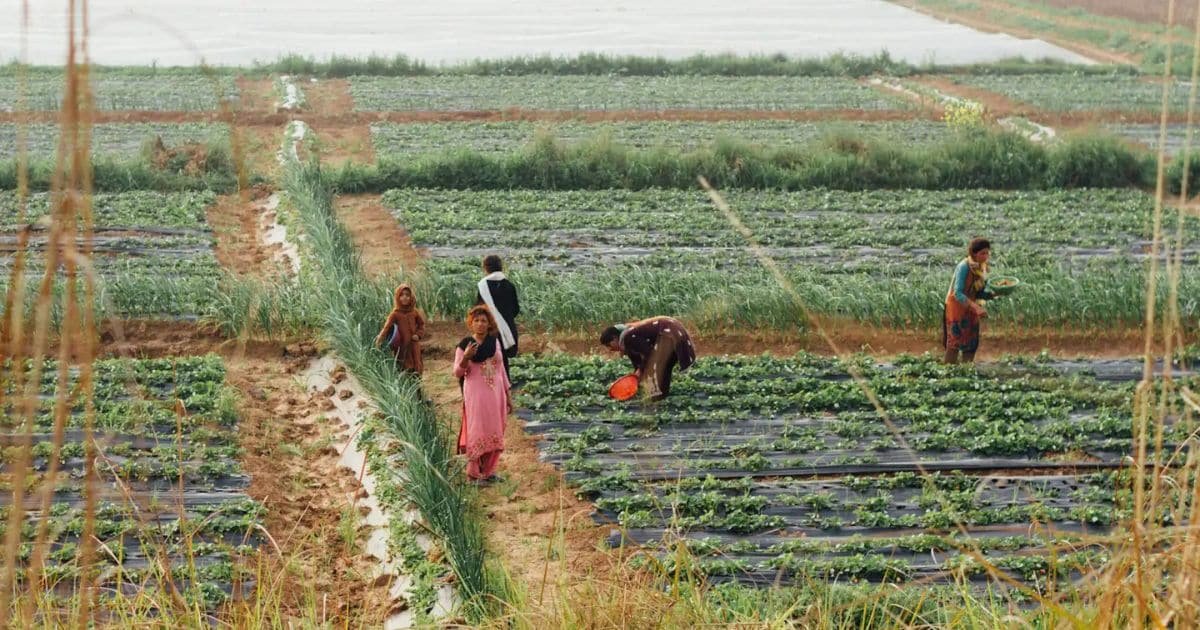
Pakistan’s new Agriculture Census reveals a critical insight: 95% of landholdings are now below 5.5 acres.
That fragmentation limits investment, technology adoption, and productivity.
This is why the Government is exploring cooperative and collective farming models; so small… pic.twitter.com/Cn7HzHpdyo
— Ministry of Planning and Development (@PlanComPakistan) January 12, 2026
You May Like To Read: Mosquito-Borne Death Toll in Sindh Much Higher Than Official Figures
Check out our latest video: