

The purity of our food is fundamental to public health and trust. In Pakistan, a nation deeply rooted in Islamic values of honesty and ethical conduct, the fight against food fraud, especially in essential items like milk, is a battle for the very well-being of its citizens. Recent decisive actions by government bodies like the Punjab Food Authority (PFA) against fake milk gangs underscore a clear message: your health matters, and the state is actively working to safeguard it. These raids are not just isolated incidents; they represent a sustained commitment to eradicating adulteration and upholding food safety standards, aligning perfectly with Islamic principles of permissible earnings and public welfare.
The Pervasive Threat: Understanding Food Fraud in Pakistan
Food fraud, particularly the adulteration of milk, poses a significant threat to public health in Pakistan. This economically motivated crime involves intentionally altering food products for financial gain, often by adding cheaper or harmful substances. Milk, a staple in Pakistani households, is frequently adulterated with water, powdered milk, vegetable oil, and even hazardous chemicals like urea and formalin, which can lead to severe health issues, including gastrointestinal complications, liver damage, and even kidney failure.
Statistics from various sources highlight the scale of the challenge. The Punjab Food Authority (PFA) has conducted numerous raids, seizing thousands of liters of adulterated milk. For instance, in one recent operation, the PFA disposed of over 2,000 liters of substandard milk in Muzaffargarh, as reported by APP. This indicates the widespread nature of the problem and the state’s proactive intervention at key points. Such figures underscore the persistent efforts required to tackle this menace and emphasize why the state’s proactive intervention is crucial.
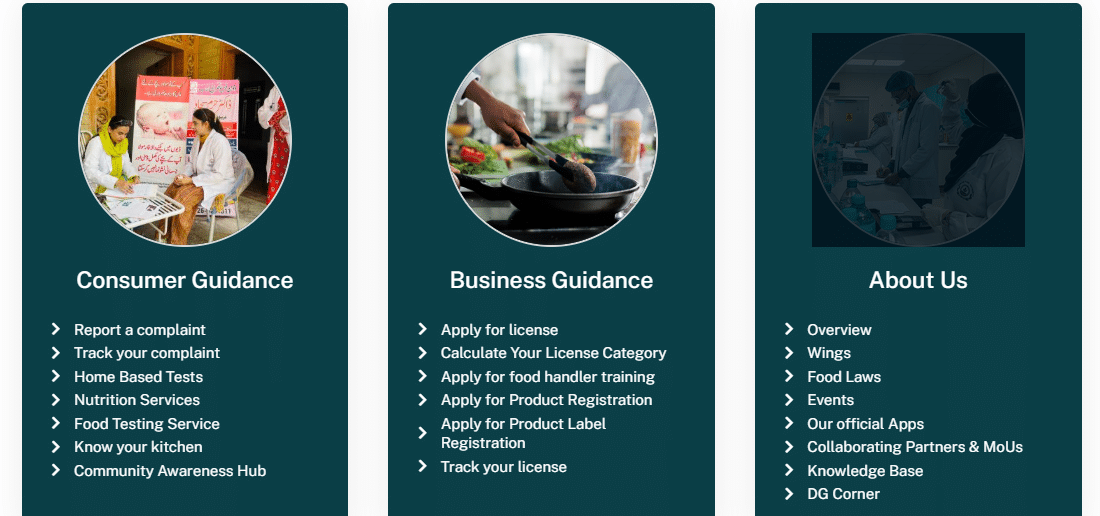
Source: Punjab Food Authority | PFA website has a complete guidance manual for all visitors.
Islamic Imperatives: Purity, Honesty, and Public Trust
Islam places immense importance on honesty, transparency, and purity in all aspects of life, especially in trade and food consumption. The Holy Quran and the teachings of Prophet Muhammad (peace be upon him) explicitly condemn deception and fraud. Surah Al-Mutaffifin (83:1-3) warns: “Woe to those who defraud, those who, when they take a measure from people, take in full, but if they give them a measure or a weight, they cause loss”. This verse directly addresses the injustice of dishonest dealings, applicable directly to food adulteration.
Furthermore, the Prophet Muhammad (PBUH) strongly emphasized the importance of pure and lawful earnings. He famously said, “Whoever deceives us is not one of us”. This profound statement is a direct condemnation of any form of fraud, including food adulteration. Islamic principles encourage “Halal” (lawful) earnings, which extend beyond just the source of income to include ethical business practices, ensuring product quality and safety. The concept of “Tayyib” (good and pure) further mandates that food should not only be permissible but also wholesome and free from harmful substances, promoting overall health and ethical consumption. These deeply ingrained values serve as the moral compass guiding the Pakistani state’s robust response to food fraud.
The State’s Resolve: Inside the Raids and Enforcement
The recent “Food Fraud Bust” signals a renewed commitment by government authorities, particularly the Punjab Food Authority (PFA), to clamp down on fake milk gangs and other food adulterers. Established in 2012, the PFA’s mission is to ensure food safety, hygiene, and quality across Punjab. Its operational teams, including specialized Dairy Safety Teams equipped with dairy technologists, conduct rigorous inspections at milk collection points, processing plants, and distribution centers.
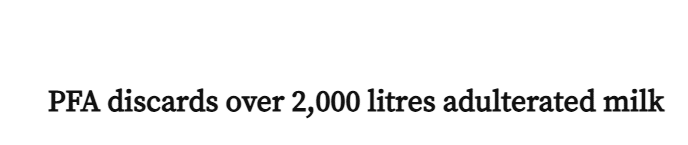
Source: The Nation
These raids are meticulous operations. For example, a PFA raid in Wah uncovered a unit producing fake milk using hazardous chemicals, vegetable oil, and polluted water, resulting in the confiscation of equipment and lodging of an FIR (First Information Report) against the accused. Such actions demonstrate the PFA’s zero-tolerance policy, as articulated by its Director General, who stated that continuous monitoring and testing of milk supplies lead to quality improvement.
The PFA’s strategy involves:
- Routine Inspections: Regular checks of food premises to ensure compliance with hygiene and safety standards
- Anti-Adulteration Raids: Targeted operations based on intelligence to dismantle illicit operations
- Sampling and Testing: Rigorous laboratory testing of food products to detect contaminants and ensure quality (free testing for domestic milk use)
- Enforcement and Prosecution: Taking swift legal action against offenders, with punishments for adulteration ranging from imprisonment to significant fines under the Punjab Food Authority Act.
These proactive measures, including vehicle inspections at city entry points and specialized teams, illustrate a comprehensive approach to securing the food supply chain from production to consumption.
Beyond Enforcement: Protecting Consumers and Building Trust
The impact of these crackdowns extends beyond mere law enforcement. By dismantling fake milk gangs, the state directly protects millions of consumers from severe health risks. This proactive stance rebuilds public trust in the food supply, ensuring that citizens can consume essential items like milk without fear.
The government is shutting down fake milk sellers to keep people safe from getting sick. This helps people trust that the food they eat, like milk, is safe.
The Punjab Food Authority (PFA) teaches people how to spot bad or fake food and how to handle food properly. They also have a helpline (1223) where anyone can call and report problems. Another group, PSQCA, sets rules to make sure food is safe and also spreads awareness.
Even though there are still some problems, like not enough resources and many small sellers, the government is working hard. They are doing regular checks, teaching people, and following Islamic values to make food safer. This shows that Pakistan cares about people’s health and wants to do the right thing.