




Introduction: A Lifeline Beyond Borders
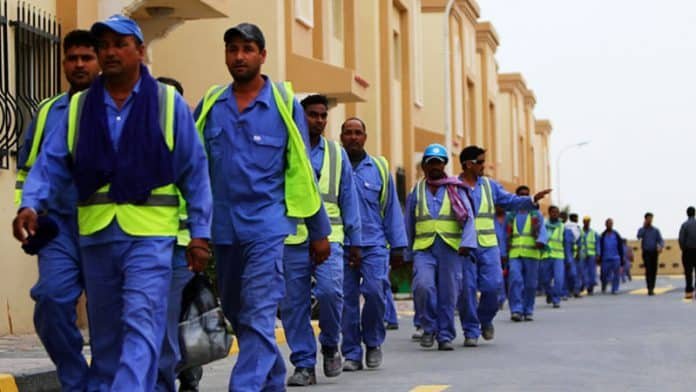
For decades, the Gulf region has been more than just a job market for Pakistan; it has served as a strategic economic lifeline. Pakistani workers in countries such as the United Arab Emirates, Saudi Arabia, Qatar, and Kuwait have made significant contributions to their host economies while sending billions in remittances, which helps stabilize Pakistan’s economy. These overseas Pakistanis have not only earned a livelihood but also gained respect, acting as cultural and economic ambassadors.
Today, the Gulf offers even broader opportunities. Beyond traditional labor, it now attracts Pakistani professionals, entrepreneurs, and investors. This deepening relationship reflects Pakistan’s geo-economic vision of building regional partnerships for mutual growth. With over 1.2 million Pakistanis employed across GCC countries as of 2024, their collective contribution is vital to Pakistan’s economic resilience and foreign policy.
Gulf Employment Trends and Pakistan’s Strategic Response
The nature of labor demand in the Gulf is evolving. While construction and domestic sectors still absorb many workers, Gulf economies are transitioning toward knowledge-based industries, seeking skilled professionals in healthcare, IT, green energy, and tourism. Initiatives like Saudi Vision 2030 and the UAE’s Green Economy Agenda are reshaping labor markets.
Pakistan has responded by expanding technical and vocational training through the National Vocational & Technical Training Commission (NAVTTC) and provincial TVET programs. In 2023 alone, over 675,000 Pakistanis went abroad for work, with more than 62% heading to GCC states. Recognizing this trend, the government has begun aligning training curricula with the needs of Gulf job markets, integrating IT, English language, and certification modules.
This effort reflects not just economic planning but also a religious ethic. Islam praises the pursuit of knowledge and hard work for the betterment of society. Faith and development, in this context, go hand in hand.

Remittances and Investment: National Gains from Overseas Contributions.
Remittances from the Gulf continue to be a cornerstone of Pakistan’s external finances. In FY 2023–24, Pakistan received $12.8 billion in remittances from the region, accounting for over half of the national total. These funds support household consumption, education, housing, and small-scale enterprises. Crucially, they strengthen the rupee, narrow the current account deficit, and bolster foreign exchange reserves.
Meanwhile, Gulf-based Pakistanis are becoming important investors in their homeland. Interest in real estate, tech startups, and retail ventures in cities like Karachi, Lahore, and Islamabad has increased. According to Pakistani missions in the UAE and Saudi Arabia, inquiries from diaspora investors went up by 20% in 2024.
To harness this momentum, the government has introduced diaspora-friendly initiatives via the Special Investment Facilitation Council (SIFC), the Board of Investment’s digital platforms, and Shariah-compliant banking products. These efforts aim to build trust, reduce red tape, and create structured opportunities for diaspora investment.

Enhancing State Services and Worker Protections
The Pakistani state has taken serious steps to institutionalize support for its overseas workforce. New bilateral labor agreements with Saudi Arabia and Qatar include provisions on worker protections, grievance redressal, and access to healthcare. Embassies are being restructured as service hubs, with job fairs, legal aid centers, and mobile facilitation desks.
However, more work remains. Legal awareness campaigns, especially for female workers, need to be strengthened. Skills mismatches continue, and too many young migrants leave without proper training. To address this, NAVTTC and provincial partners must expand Gulf-aligned training centers in every province.
Additionally, reforms in the remittance and investment process are underway. Digital wallets, lower transfer fees, and clearer tax policies for diaspora investors are being tackled under the government’s economic revival plan.
Faith, Work, and National Service: The Broader Ethos
Islamic teachings highlight honest work, caring for family, and ethically managing wealth. The Prophet Muhammad ﷺ said, “The best of people are those most beneficial to others.” Overseas workers exemplify this principle. Their sacrifices support loved ones, boost the country’s economy, and reflect Islamic and national values. Supporting these citizens is not only an economic matter but also a moral duty. They carry Pakistan’s reputation and resilience wherever they go. They deserve respect, protection, and easy interaction with the government.
Conclusion: A Shared Vision for Growth and Dignity
The Gulf region is more than just a job destination—it is a gateway to opportunity, strategic partnerships, and national growth. Pakistan must continue to treat its Gulf-based workforce and investors as full citizens and vital components of economic stability. Through stronger labor diplomacy, comprehensive training, faith-based values, and proactive institutional reforms, Pakistan can turn this migration route into a lasting partnership.
The government’s recent actions send a clear message: to ensure that no Pakistani working abroad is unsupported, unrecognized, or unheard. A more robust, responsive state presence in the Gulf will open new avenues for growth—for individuals and the nation alike.