

A Timeless Art Form in the Heart of Pakistan
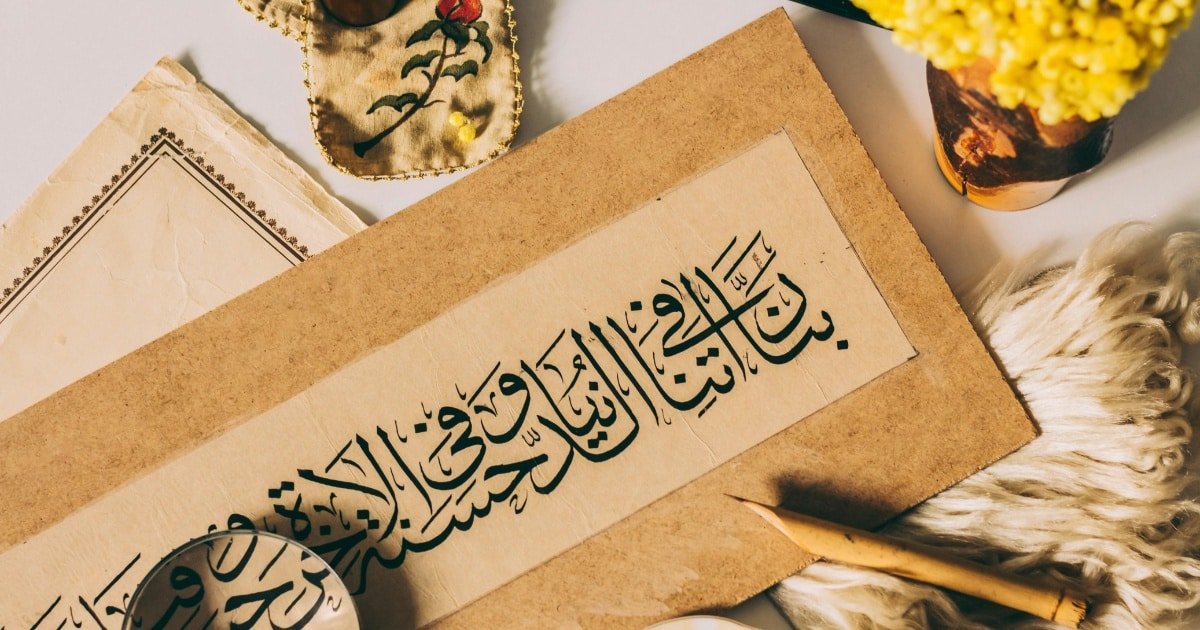
Islamic calligraphy is a profound art form in Pakistan, deeply rooted in tradition yet continually evolving. It can be seen in various places, from mosque domes to modern galleries, showcasing both Qur’anic scripts and contemporary designs.
A Sacred Tradition Rooted in Faith and Nationhood
This sacred art represents Islamic identity and national pride, originating from the transcription of the Qur’an. For many, it serves as a spiritual connection to the Divine, playing a vital role in uniting people through the beauty of God’s Word in a nation founded on Islamic principles.
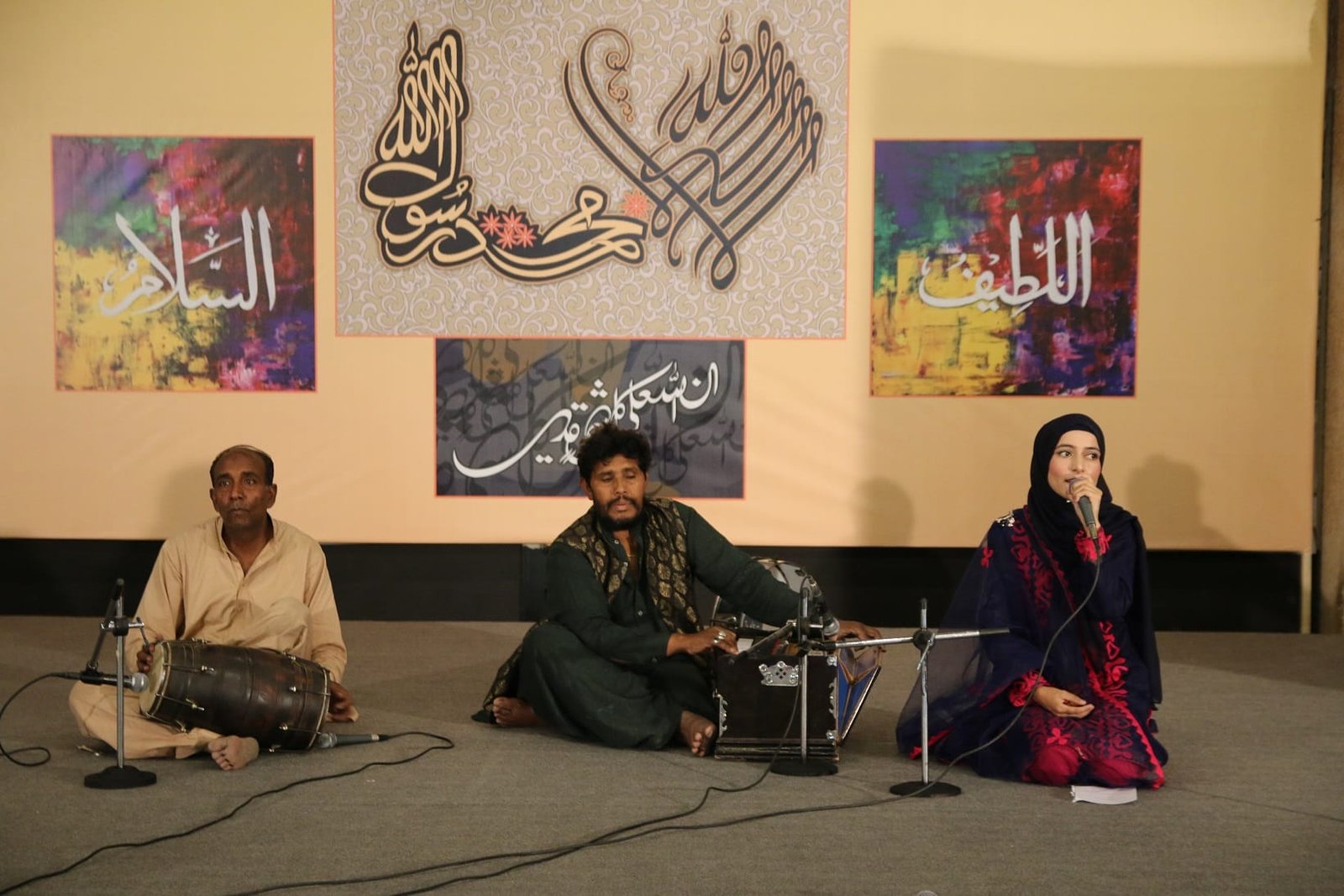
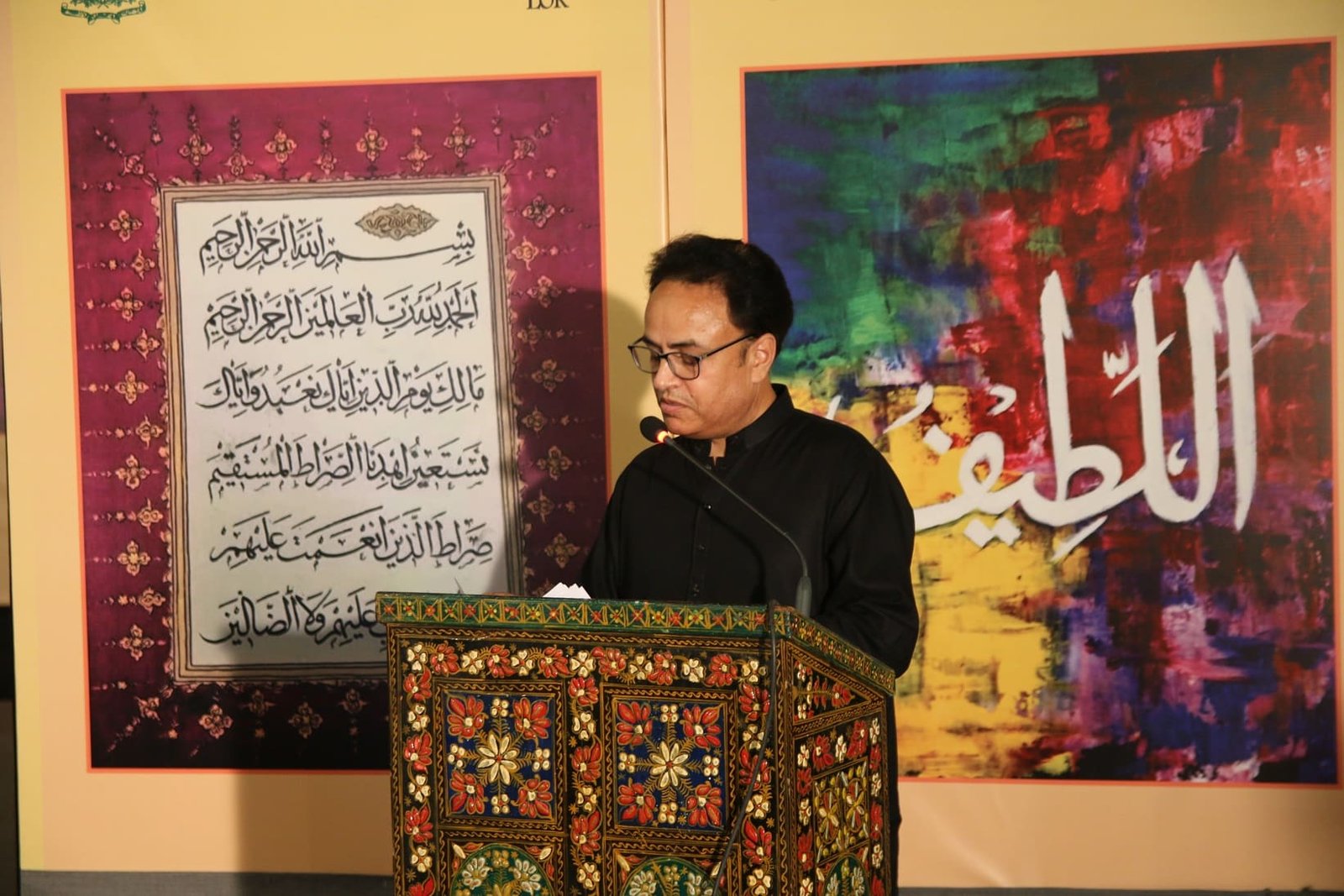
Source: Lokvirsa
Spiritual and Qur’anic Roots of Calligraphy
Islamic calligraphy is closely tied to respect for the written word, especially the Qur’an. Writing Qur’anic verses is seen as a form of devotion, which is why calligraphy thrives in Islamic cultures like Pakistan.

Source: ArabNews

Source: IslamicArt
Styles such as Naskh, Thuluth, Kufic, and Diwani have been passed down by skilled calligraphers who treat each letter as sacred. In cities like Lahore, Karachi, and Islamabad, calligraphy represents both religious devotion and national pride. Master calligraphers often spend days perfecting a single Arabic letter. Moreover, Nastaliq is a beautiful writing style widely used in Pakistan for Urdu and Persian. Originating in 14th-century Persia, it remains popular for both art and everyday writing, characterized by graceful curves and balanced shapes that reflect the elegance of Islamic calligraphy.
The high status of the Qur’an in Muslim culture has helped calligraphy flourish. Qur’anic verses displayed in elegant calligraphy remind people of values like justice, truth, and unity under Allah. In mosques and public spaces, these inscriptions serve as important symbols of the Islamic identity of our nation.
Calligraphy as a Unifying Force.
Pakistan is home to many cultures, languages, and traditions. These range from the mountains of Gilgit-Baltistan to the deserts of Thar. Calligraphy serves as a common visual language for all Pakistanis. It appears in Arabic, Persian, or Urdu and reminds people of Allah. This art form also reinforces a shared identity among citizens of an Islamic republic.
In mosques throughout the country, including the grand Badshahi Mosque, Wazir Khan Mosque in Lahore and small prayer halls in remote villages, calligraphy adorns walls and domes. This cultural element unifies people from different regions and ethnic backgrounds. Thus, calligraphy in Pakistan transcends art; it fosters a sense of national unity.

Source: Facebook
The country actively promotes calligraphy as part of its cultural policy. Official stamps, currency notes, and emblems frequently feature calligraphic verses and national slogans. This practice enhances aesthetics and strengthens our shared Islamic identity in everyday life.
When you see the phrase “Faith, Unity, Discipline” in Nastaliq script on a government office wall or Qur’anic verses carved into the marble of Faisal Mosque, you witness how art and statehood support the nation’s values. President Mamnoon Hussain stressed the need to promote Islamic calligraphy. He said it helps build unity and harmony among Muslims. He spoke after visiting the ‘Noon wa Kalam’ exhibition at the Pakistan National Council of Arts (PNCA). The exhibition showcased beautiful calligraphic art.

From Mosques to Modern Spaces
When visiting the Badshahi Mosque in Lahore or the Shah Jahan Mosque in Thatta, you’ll notice stunning Arabic calligraphy on their arches and walls. This art form is essential to the buildings’ designs and continues to inspire contemporary artists.

Source: DAWN
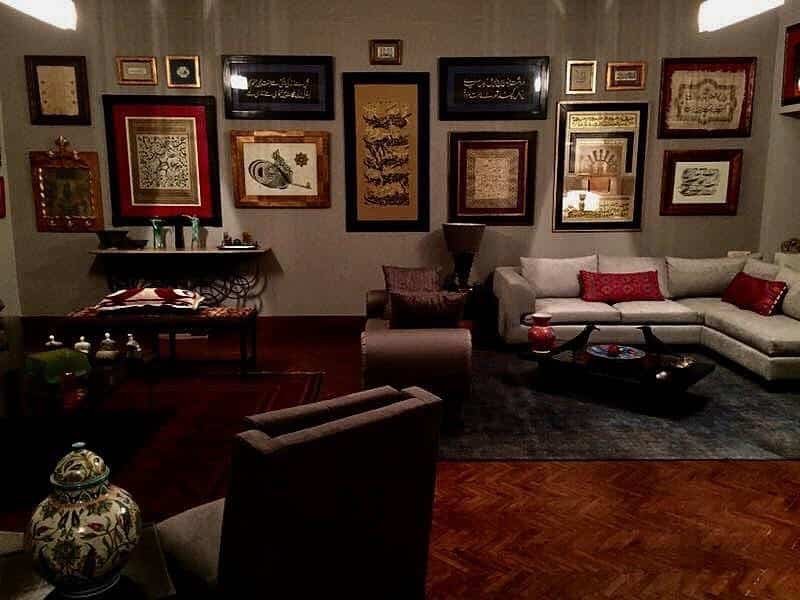
Today, calligraphy has expanded beyond religious sites into galleries, cafes, homes, and fashion, with brands incorporating it into clothing lines. Interior designers also use it to add a heritage feel to modern spaces. In Islamabad and Karachi, art exhibitions often combine traditional calligraphy with contemporary styles, creating a unique blend of old and new.
The Great Masters: Elevating Pakistan in Islamic Art.
Pakistan is known for its skilled calligraphers, with Sadequain being one of the most famous. He changed calligraphy by mixing it with surrealism and social themes. His well-known mural at the State Bank of Pakistan showcases this blend. Other important artists include Gohar Qalam – Recipient of multiple honors, including Pride of Performance from Pakistan and an award from the Japanese foreign minister, along with 33 international exhibits at Tokyo’s Metropolitan Museum. Similarly, Rasheed Butt, Shafiq-Uz-Zaman Khan are enriching the art of calligraphy. Irfan Qureshi is a renowned Islamic calligrapher. He specializes in Quranic calligraphy and Allama Iqbal’s poetry but focuses on traditional practices. He is a founding member of the Hast-o-Neest Institute of Traditional Studies and Art. Additionally, he curates at the Nakhl-e-fann Art Gallery at UCP, Lahore. He also teaches illuminations (Tezhib) at the Center of Conservation and Restoration Studies (CCRS), Furthermore, Institutions like the National College of Arts and Punjab University College of Art and Design offer courses to support future calligraphers.

Source : ArabNews


Source: Pakistanpaedia

Source: SF
Digital Renaissance: Sharing Faith and Heritage.
Many people prefer traditional ink and paper, but calligraphy in Pakistan is moving into the digital age. Young designers are trying out Arabic and Urdu text styles for social media and online publications. They are creating calligraphy fonts that combine classic beauty with modern needs. This change helps attract younger audiences who learn from platforms like Instagram and YouTube.
Pakistani artists are taking Islamic calligraphy online, sharing their work with the world. Saba Ali is a leading figure in modern Pakistani calligraphy. She combines traditional methods with contemporary styles. Muhammad Aslam is an expert in the elegant Thuluth script. Fatima Khan empowers women through her innovative calligraphy. Hassan Mahmood promotes Pakistani calligraphy on a global scale. He fosters cultural connections. Ayesha Qureshi bridges traditional and modern calligraphy, reaching diverse audiences. Raza Ali works to revive lost scripts and preserve cultural heritage. Nadia Ahmed uses calligraphy to support mental health in society. Zainab Malik leverages her art for social change, addressing critical issues and giving a voice to the marginalized.
Ali Hassan pioneers digital calligraphy, using technology for artistic expression. His captivating works, including interactive installations and virtual reality, have redefined the field and inspired a new generation of artists in Pakistan. They mix traditional skills with new techniques. By showcasing Qur’anic verses and national symbols, they honor the art and promote Pakistan’s Islamic identity, fighting stereotypes with a story of beauty and creativity.
NFTs and digital art in Pakistan are more than just a trend. They symbolize a cultural revival that links traditional art with modern technology. This overview explores the current situation, opportunities, challenges, and future of the NFT market in the country. Ayesha M. Ali is a notable figure in the digital arts industry. She has overcome many hurdles and gained international acclaim for her artwork. To stay current, she has ventured into Non-Fungible Tokens (NFTs) to showcase her art and AI-collaborated multimedia pieces.

Source: TFT
Source: IslamicArt
Why Calligraphy Matters for Faith and Pakistan
In today’s busy world, calligraphy connects Pakistan’s Islamic heritage with modern culture. This art form encourages patience and mindfulness, which are important in our chaotic lives.
Pakistani calligraphy is more than just beautiful writing; it keeps the conversation alive between faith, art, and identity. It shows a universal wish for meaningful beauty. In a time filled with short-lived trends, it highlights Pakistan’s deep roots in the Qur’an and its rich heritage, demonstrating our creativity and cultural richness to the world.
Supporting Islamic calligraphy is crucial for protecting the values on which Pakistan was built. As long as this art continues, the messages of identity, unity, and devotion will last.
Conclusion: The Ink of Identity
Pakistan’s calligraphy legacy thrives from the ancient domes of Thatta to the innovative streets of Lahore. It adapts to modern trends while preserving its essence. As long as hands are willing to create, this art will flourish. Each stroke reflects our deep cultural roots and heritage. From the minarets of Faisal Mosque to contemporary expressions, calligraphy remains a sacred art form that embodies faith and patriotism. As Pakistan moves forward, calligraphy will continue to narrate our identity and values.