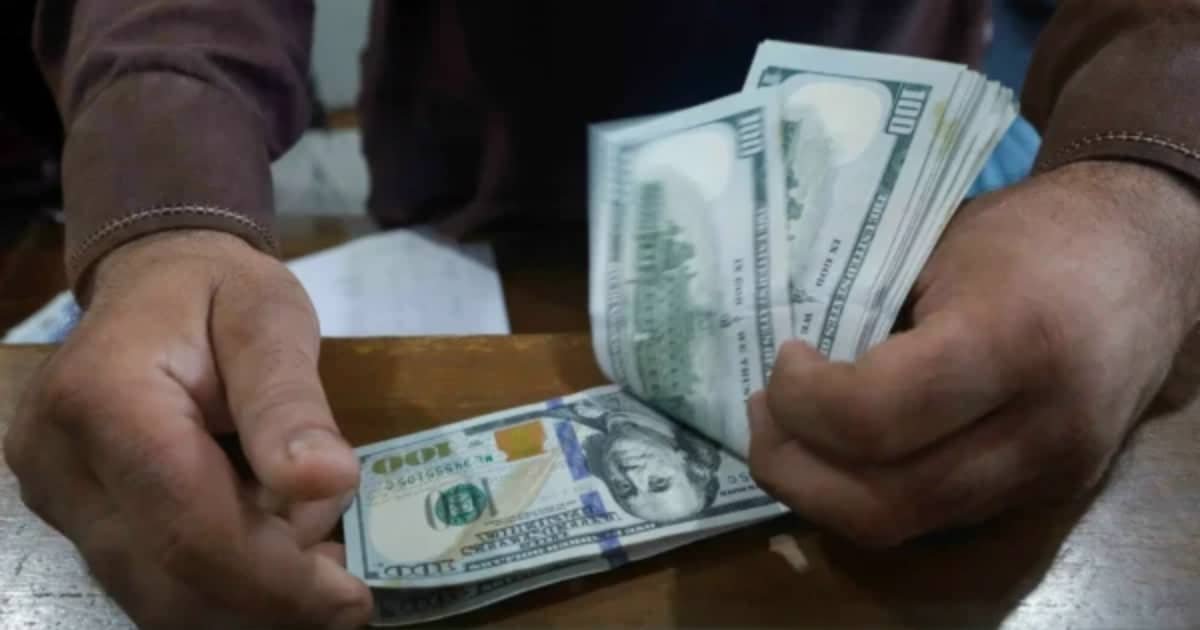




KARACHI: Pakistan’s foreign exchange reserves held by the State Bank of Pakistan (SBP) increased by $4.2 billion during calendar year 2025, providing support to the country’s external position and exchange rate stability. However, official data show that the pace of reserve accumulation slowed markedly in the second half of the year, raising concerns about sustainability amid upcoming external obligations.
According to SBP figures, the central bank’s reserves stood at $11.7 billion on January 3, 2025, and rose to $15.915bn by the end of December. While this reflects a significant annual increase, reserves grew by only $1.4bn during the second half of the year, from $14.5bn on June 30 to $15.9bn at year-end, compared to stronger gains earlier in the year.
Analysts note that the rise in reserves has helped strengthen Pakistan’s external buffers and contributed to relative stability in the exchange rate. However, they caution that a substantial portion of the reserves consists of loans and deposits from friendly countries, limiting the flexibility of these holdings.
The SBP has set a target of raising foreign exchange reserves beyond $18bn by the end of FY26. The slower accumulation in recent months has therefore drawn attention, particularly as record remittance inflows during 2025 provided room for the central bank to purchase dollars from the interbank market. Despite this, reserve growth remained modest in the latter half of the year.
Data show that between January and September 2025, the SBP purchased $4.2bn from the market, a lower level of intervention compared to the previous year. Over the preceding 16 months, the central bank had bought $9.7bn, a period that played a key role in rebuilding reserves after they had fallen to critically low levels.
You May Also Like: Pakistan Finalises First National Vaccine Policy to Reduce Import Dependence
Higher reserves have supported exchange rate stability, allowing the economy to remain relatively steady despite weak overall growth and rising poverty levels. Market participants say the contained volatility of the rupee has helped reduce uncertainty for businesses and importers.
However, economists warn that the second half of FY26, from January to June, could pose challenges. The country faces sizeable loan rollovers, pressure to manage the trade deficit, and the need to accelerate GDP growth while creating employment opportunities for millions of skilled and unskilled workers.
Total liquid foreign reserves held by the country stood at $21.012bn, including $5.097bn with commercial banks.https://t.co/epB5SLoetX
— Dawn Business (@dawn_business) January 2, 2026
In its latest weekly statement, the SBP reported that its reserves increased by $13 million to $15.915bn in the week ended December 26, 2025. Total liquid foreign reserves held by the country stood at $21.012bn, including $5.097bn with commercial banks.
Exchange Companies Association of Pakistan Chairman Malik Bostan described 2025 as more stable than the previous year, noting that the rupee remained firm against the US dollar following agreements with the International Monetary Fund. However, analysts and economists continue to highlight stagnant export growth and low investment levels as key risks to achieving sustained economic recovery.
Check out our latest video: