




ISLAMABAD: Pakistan has finalised its first-ever National Vaccine Policy, proposing the creation of a National Vaccine Alliance to gradually reduce reliance on imported vaccines and build domestic manufacturing capacity, officials said on Wednesday.
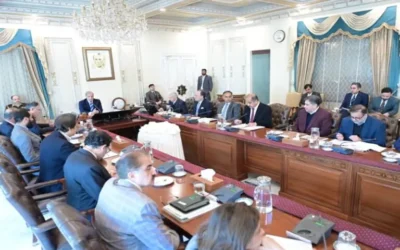
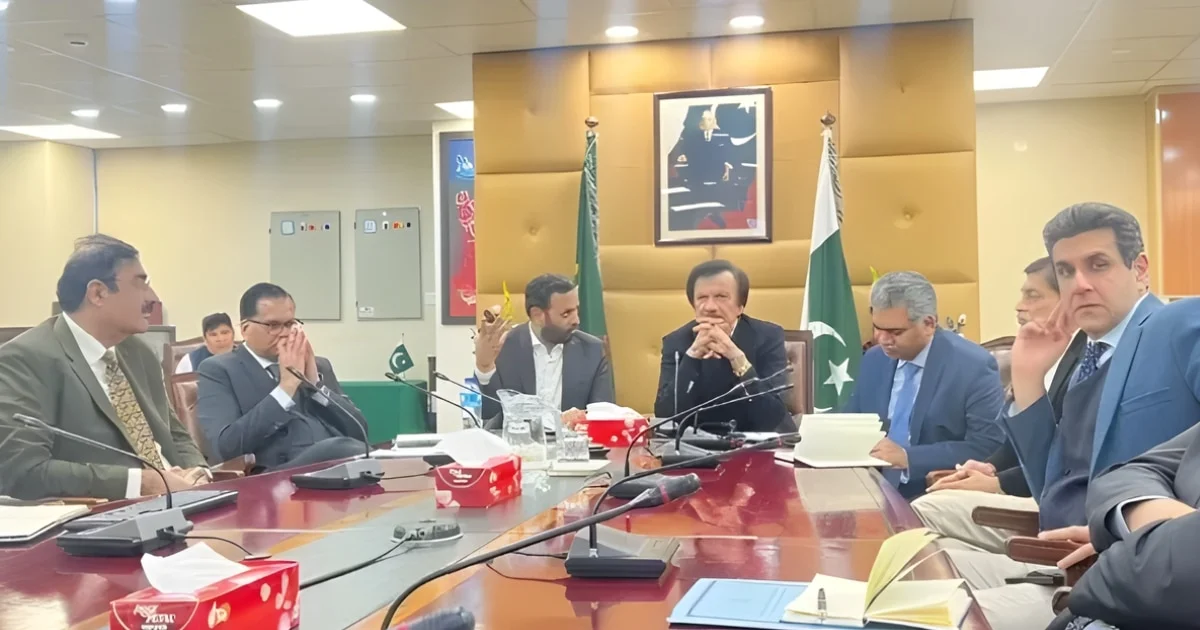
Prepared by the Drug Regulatory Authority of Pakistan (Drap), the draft policy was approved by a high-level committee formed by the prime minister and will now be forwarded for final approval and implementation. The meeting was chaired by Special Assistant to the Prime Minister on Industries and Production Haroon Akhtar Khan and co-chaired by Federal Minister for National Health Services Mustafa Kamal.
According to the policy, all vaccines currently used in Pakistan are imported, making the country vulnerable to supply disruptions and external price shocks. It estimates Pakistan’s annual vaccine requirement at 125 to 150 million doses for 2024–25, covering around 40 vaccines, of which 13 are part of the Expanded Programme on Immunisation (EPI). Some of these vaccines are imported from India.
To address this dependency, the policy proposes a phased approach to local manufacturing. Initial steps would focus on fill-and-finish operations, followed by technology transfer and joint ventures, and eventually full upstream production. The policy notes that Pakistan currently has only three vaccine manufacturing facilities — the National Institute of Health (NIH) in Islamabad, Amson Vaccines and Pharma in Islamabad, and Dow University in Karachi — with limited capacity. Only one private facility produces a small range of vaccines and lacks World Health Organisation (WHO) prequalification, limiting its market access.
The draft acknowledges that achieving WHO prequalification can take more than five years and prioritises meeting domestic demand before pursuing exports. It also highlights the need for significant upgrades to NIH infrastructure to enable end-to-end manufacturing.
A key feature of the policy is the proposed National Vaccine Alliance under the Ministry of National Health Services. The alliance would act as a coordination platform involving Drap, public and private manufacturers, the pharmaceutical industry, procurement authorities, academic institutions, development partners, and the Board of Investment. Its mandate would include guiding investment decisions, avoiding duplication, and recommending regulatory reforms and incentives.
You May Also Like: Centre Notifies Panel to Review AJK Refugee Seats Clause
The policy also proposes long-term procurement mechanisms, including buy-back guarantees and framework contracts of up to 10 years, to reduce investment risks for manufacturers. These contracts would be indexed to import parity prices and linked to technology transfer milestones, requiring firms to move progressively towards full-scale production.
وزیر اعظم کے معاون خصوصی ہارون اختر خان کی زیر صدارت ویکسینز کی مقامی تیاری سے متعلق اعلیٰ سطحی اجلاس
وفاقی وزیرِ صحت مصطفیٰ کمال نے ویکسین پالیسی اجلاس کی مشترکہ صدارت کی
قومی ویکسین پالیسی تیار، منظوری کے لیے مکمل طور پر تیار ہے، ہارون اختر خان pic.twitter.com/zWm9KxuWeU
— M/o Industries & Production (@Pak_MoIP) December 31, 2025
For the fiscal year 2025–26, the government is expected to cover 49 per cent of vaccine costs, with the remaining 51 per cent financed by Gavi. Pakistan is projected to enter an accelerated transition phase by 2030, followed by a five- to eight-year period to achieve full self-financing.
The policy warns that declining external subsidies could strain public finances while vaccine-preventable diseases remain a challenge, underscoring the need for a sustainable domestic vaccine ecosystem to strengthen national health security and pandemic preparedness
Check out our latest video: