




The conclusion of the recent Doha Film Institute (DFI) activities has put a spotlight on Pakistan’s expanding cinematic voice, with several projects from domestic and diaspora filmmakers making a mark at one of the Middle East’s most influential cultural events. The presence of Pakistani films and filmmakers at the DFI, which ran from late November, is not just a point of national pride but a critical indicator of the growing support for boundary-pushing storytelling through the influential MENA (Middle East and North Africa) funding ecosystem.
Amplifying Unique Voices
Two distinct Pakistani-connected titles drew particular attention, showcasing the nation’s breadth of creative imagination.
Time Hoppers: The Silk Road (Canada), directed by Flordeliza Dayrit, is a playful, futuristic animated adventure. Its inclusion resonates deeply with Pakistani audiences as it focuses on four gifted children who journey along the historic Silk Road. The film effectively uses a fun, family-friendly lens to explore trade routes and civilizational overlap that is instantly familiar to Pakistani viewers, positioning shared history in an innovative sci-fi context.
The short film Santa Khan, by the talented Maryam Mir, was a significant project, having received a coveted MENA grant from the DFI for production. The film is a witty, quietly tender exploration of time, identity, and belonging, built around a stranded Santa on a broken bike wandering through a surreal Bahraini desert. The narrative style is a bold departure from traditional realist drama, proving that grant funding is fueling projects that challenge conventional cinematic expectations.
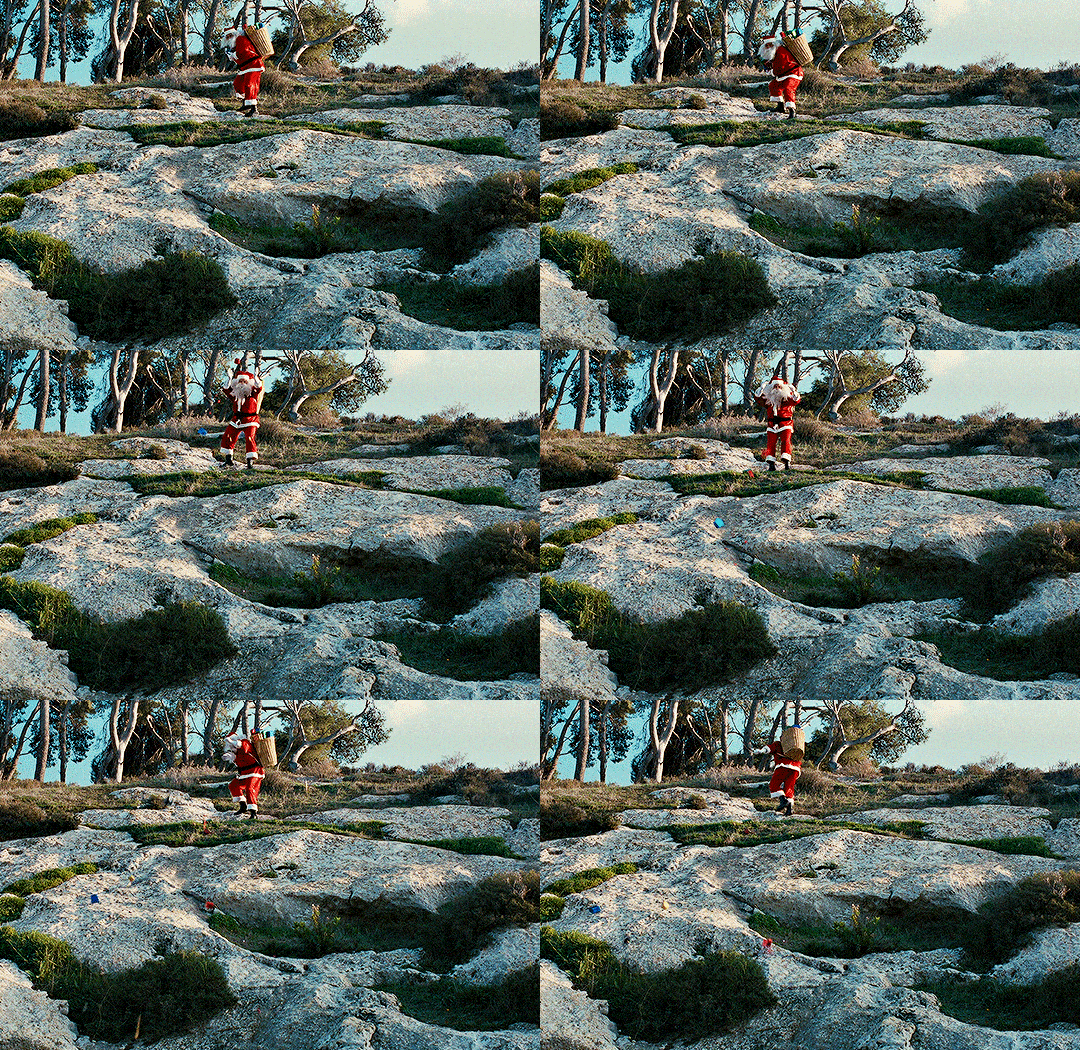
Source: Maryam Mir
The Significance of the DFI
The Doha Film Institute’s role goes far beyond simply hosting a festival; it acts as the region’s longest-serving and most prestigious film development initiative. The grants and support offered by DFI are crucial lifelines for Pakistani independent filmmakers who often struggle to secure domestic financing for unconventional projects. The DFI’s backing signals a strong belief in the potential of Pakistani narratives, viewing them as integral threads in the wider regional tapestry of the Arab world.
Furthermore, the DFI has previously supported Pakistani-connected films such as The Reluctant Fundamentalist, demonstrating a long-term commitment to complex, socially engaged storytelling relevant to the South Asian diaspora in the Gulf. The success of films like Pakistani Santa and the inclusion of Time Hoppers serve as a powerful reminder for local production houses that the most compelling and internationally sellable Pakistani stories are often those that dare to be different, authentic, and reflective of the region’s shared history and surreal modern realities. By continually engaging with this platform, Pakistani cinema ensures its place at the forefront of the Middle East’s cultural renaissance.