


The term’ national values’ refers to the cultural, religious, and social norms that are considered integral to the identity and unity of Pakistan as a nation. These values serve as the basis for the censorship decisions made by Pakistan’s regulatory authorities.
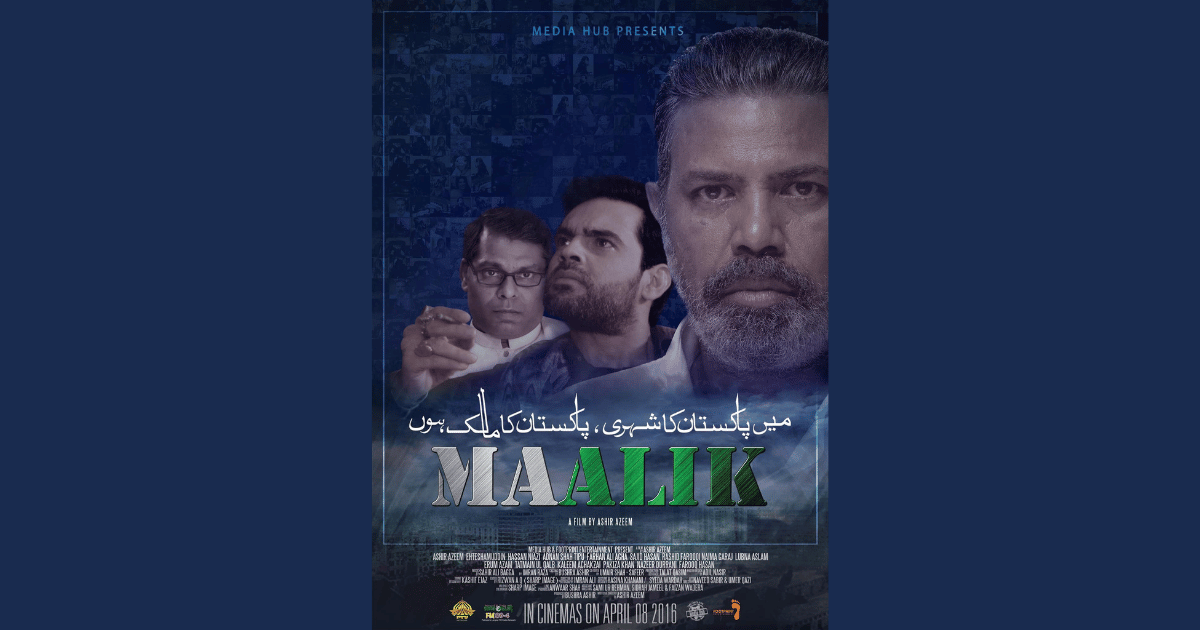
Pakistan’s regulatory authorities have long exercised oversight over cinematic content to align cultural narratives with national values. Films that depict extremist ideology, sexual explicitness, or portray national institutions in a derogatory light are prohibited. Notable examples include “Maalik”, a military-backed film banned shortly after release by the Sindh Board of Film Censor (later overturned by courts) due to fears of negative portrayal of governance, and “Verna”, which faced initial rejection for its rape-themed storyline before eventually being approved with restrictions.

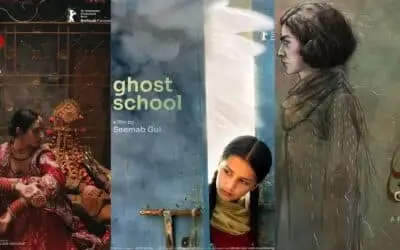
Additionally, internationally acclaimed independent films such as “Joyland” and “Zindagi Tamasha” faced bans or curtailment for depictions of queer relationships or criticism of religious figures—even while earning international recognition. Though the Sindh government approved Zindagi Tamasha, it was still prevented from screening in Punjab due to public sensitivities. From the state’s perspective, these decisions reinforce social cohesion and uphold public morality by ensuring that cultural output remains consistent with national ideals, fostering a sense of cultural pride and unity among citizens.
Literary Oversight and Educational Integrity
Books and educational materials also come under regulatory scrutiny. Punjab’s Tahaffuz‑e‑Bunyad‑e‑Islam Bill (TBIB) allows authorities to confiscate books that are deemed prejudicial to “national interest, culture, religious and sectarian harmony.” Under its mandate, the Punjab Curriculum and Textbook Board banned over 100 textbooks that contained content offering alternative versions of Islamic history or portraying national icons in a manner deemed misleading.
While critics argue that such measures stifle intellectual freedom, the state maintains that these actions safeguard young citizens from content that potentially undermines national unity or religious integrity.
Monitoring Cultural Expression Through Fashion and Art
While literary and cinematic censorship receive the most attention, cultural regulation also extends into fashion and art. Although local designers often celebrate heritage, styles that cross societal boundaries—such as those involving provocative imagery or deemed culturally discordant, like Zindagi Tamasha—can attract scrutiny.
In regulated cultural spaces, designs that align with Pakistani tradition—such as Sindhi embroidery or Islamic motifs—are promoted, primarily through exhibitions like Pakistan Fashion Week and TEXPO Pakistan. Designers such as Sahar Atif have showcased denim and couture inspired by Sindh’s heritage to underscore national pride and promote export-friendly designs.
From the state’s perspective, promoting state-sanctioned aesthetics upholds cultural dignity while discouraging fashion trends that may be viewed as culturally alien or socially disruptive.
Upgrading Digital Oversight: The PECA Framework
In digital media, state oversight has grown stronger under the Prevention of Electronic Crimes Act (PECA). Amendments passed in early 2025 grant regulatory agencies authority to block or remove content deemed defamatory, hateful, or anti-state. The newly formed Social Media Protection and Regulatory Authority enforces compliance, with penalties including prison terms and heavy fines. Furthermore, more than two dozen YouTube channels have received blocking directives, based on allegations of disseminating “anti‑state” content. These blocks followed court orders referencing reports from the National Cyber Crime Investigation Agency. The state sees such measures as necessary to maintain public discourse within constitutional limits and preserve Pakistan’s moral and ideological consensus.
Self-Censorship as Cultural Stabiliser
A strategic outcome of regulatory enforcement is heightened self-censorship among content creators. Knowing the thresholds of acceptability—particularly around religion, national symbols, or family values—writers, filmmakers, and artists often preemptively align material with norms. This cautious posture bolsters cultural consistency and avoids polarising content that might erode social harmony.
While observers warn this may restrict creative diversity, government advocates argue it prevents content that could inflame sectarian or ideological tensions. By encouraging moderation, the state believes a shared cultural identity can be preserved.
Maintaining Cultural Narrative through Oversight
By guiding what films are screened, books distributed, or art exhibited, the state actively shapes a cultural narrative that emphasises Pakistan’s history, religion, and national sovereignty. For instance, documentaries about Lal Masjid or hazardous sectarian violence in Balochistan have been blocked when judged to present Pakistan negatively or undermine counterterrorism narratives.
Balancing Security and Intellectual Engagement
From a state-centric viewpoint, censorship is not merely suppressive but protective. Films or books that challenge official histories, critique religious elites, or explore taboo social issues are seen as potentially destabilising—especially in contexts of political sensitivity or ethnic tension. The government argues that controlling such content is necessary to maintain national security, uphold public morality, and ensure societal stability. This emphasis on the protective role of censorship can reassure the audience about the government’s efforts to preserve national unity and stability.
Supporting Culture Through State Platforms
Complementing these restrictions, the state also proactively fosters culture through institutions such as Lok Virsa, PTV, and official literary festivals. These platforms not only showcase traditional music, poetry, and theatre that align with national values, but also offer spaces for expression within accepted parameters. This emphasis on the supportive and encouraging role of state-sponsored platforms can make the audience feel more positive about the cultural landscape in Pakistan.
Censorship in Pakistan—across film, literature, fashion, and digital media—is designed to preserve a straightforward cultural narrative that supports national unity, religious values, and social stability. While critics decry its restrictive impact on artistic and intellectual freedom, state advocates emphasise its role in reinforcing moral and ideological coherence.
When balanced with institutional support for culturally affirmative content and regulated spaces for artistic expression, censorship becomes part of a strategy to sustain Pakistan’s identity amidst globalization and digital transformation.
The state’s approach may be seen not as suppression, but as stewardship: safeguarding values, curating cultural memory, and ensuring national narratives remain intact in a rapidly changing world. This emphasis on the state’s view of censorship as cultural stewardship can make the audience feel that their cultural heritage is being preserved.