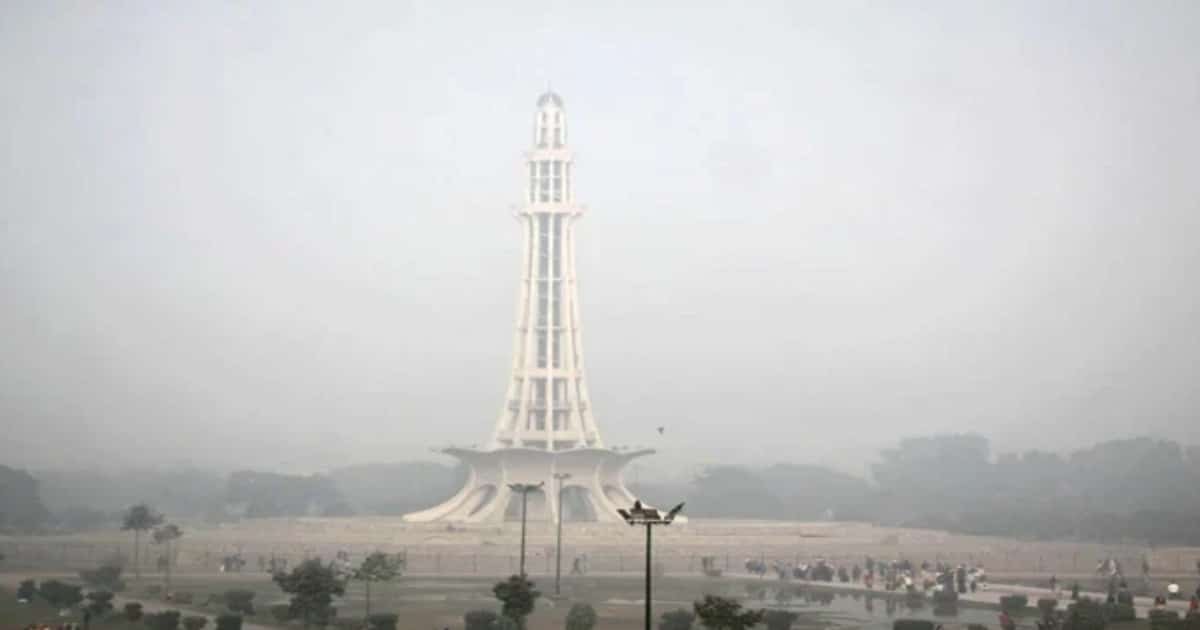



Lahore — Lahore has once more claimed the unfortunate position of the world’s most polluted city, with its air quality index (AQI) reaching hazardous levels of 452 on January 21, 2026, according to real-time data from IQAir, a leading global air quality monitoring platform.
The city’s AQI soared into the “hazardous” category (301+), posing serious health risks especially to children, the elderly, and those with respiratory conditions. Just a day earlier, on January 20, Lahore’s AQI hit 507 — among the worst readings recorded — while Karachi ranked ninth globally with an AQI of 179.
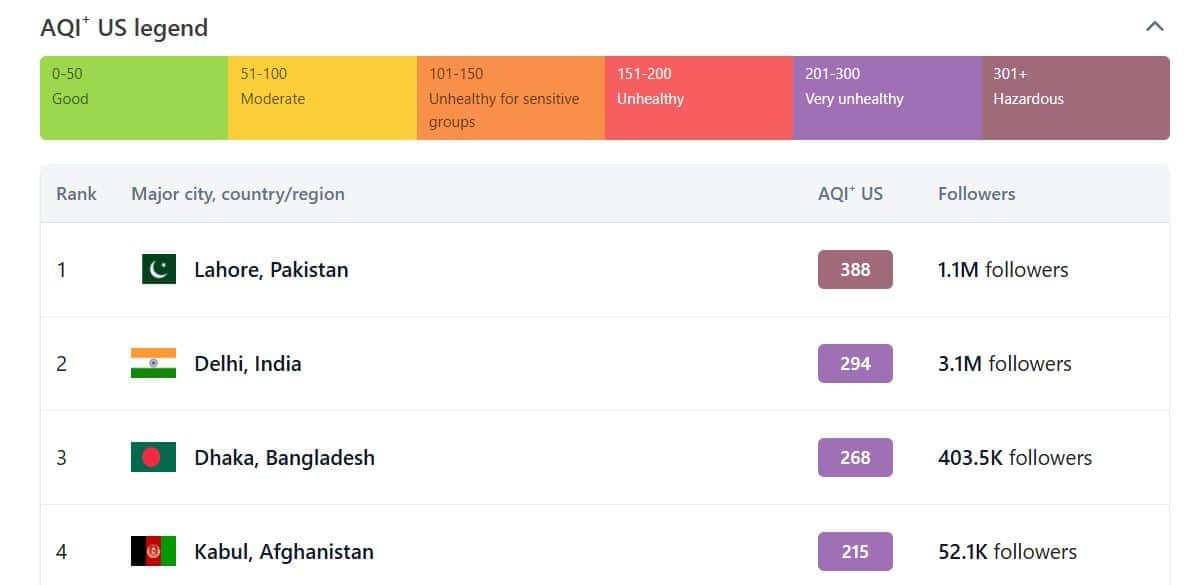
Lahore’s Air Quality on 21 January 2026
Source: AQI
Key Highlights
- Lahore ranked as the most polluted city worldwide on January 21, 2026, with an AQI of 452 (hazardous).
- The previous day’s peak reached 507, far exceeding the hazardous threshold of 301+.
- Karachi placed ninth globally with an AQI of 179 (unhealthy).
- IQAir issued an air quality alert for Pakistan, warning of “serious health risks” from unhealthy to hazardous pollution levels.
- Residents advised to limit outdoor activity, close windows, wear masks outside, and use indoor air purifiers.
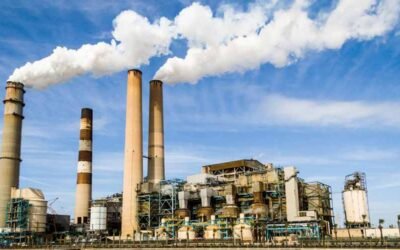
- Major causes include industrial emissions, vehicular exhaust, stubble burning in Punjab, and seasonal weather patterns trapping pollutants.
Winter smog has become an annual crisis in Punjab, particularly Lahore, where poor air movement traps pollutants from factories, traffic, crop residue burning, and construction dust. Despite provincial efforts — such as water sprinkling on roads, anti-smog squads, and campaigns against stubble burning — air quality remains dangerously poor in the colder months.
IQAir’s alert urged immediate protective measures to minimize exposure. Authorities continue rapid response initiatives, but sustained improvements require broader action on emissions control and regional cooperation.
Pakistan faces a growing public health challenge from air pollution. Protecting vulnerable citizens and restoring cleaner air demands urgent, collective resolve from government, communities, and industries alike. The nation’s well-being depends on breathing easier and safer days ahead.
Check out our latest video: