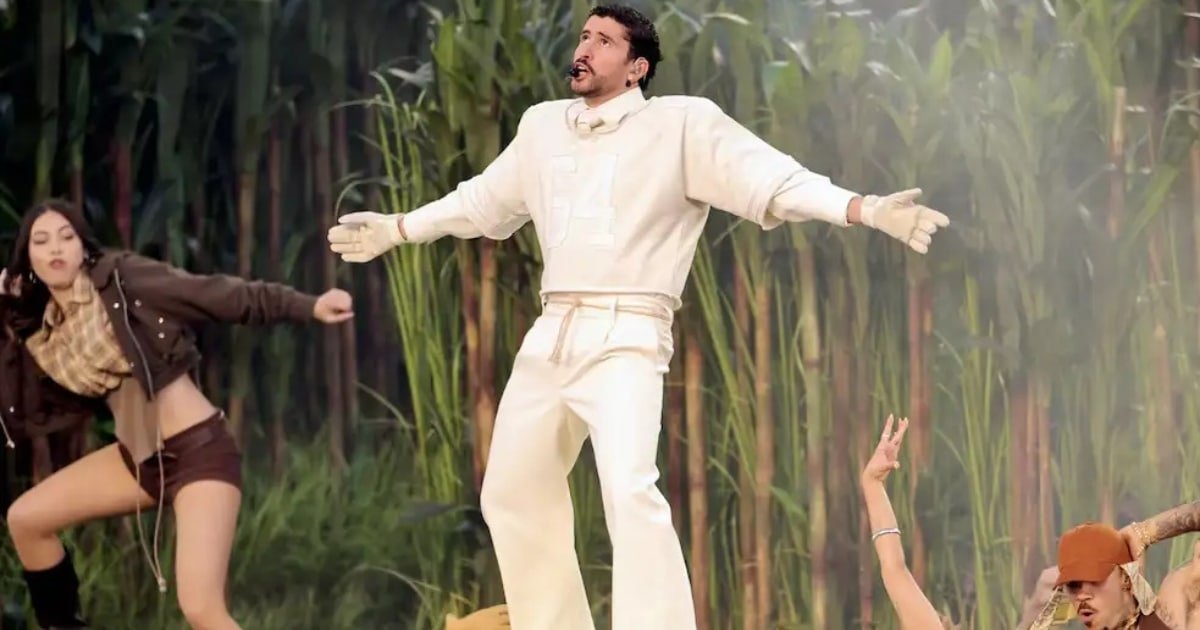





On February 8, 2026, the world witnessed a cultural earthquake during the Super Bowl LX halftime show. Bad Bunny, a global force of Puerto Rican pride, stepped onto the field at Levi’s Stadium, not in the expected armor of a luxury European house, but in an all-cream ensemble that felt jarringly accessible.
While the “Ocasio 64” jersey, a tribute to his mother’s surname and his late uncle, became an instant talking point, a quieter, more profound story was unfolding in the workshops of Lahore, Pakistan. It is the story of FOUND (formerly Profound), a Pakistani-led label that was in the final circle to dress the star. This near-miss isn’t just a footnote; it is a searing editorial on the tension between the intentional craft of the homeland and the relentless, often ethically compromised speed of global retail.
View this post on Instagram
The Artisanal Sprint: From Lahore to Santa Clara
Faraz Zaidi, the visionary behind FOUND, has spent over a decade building a bridge between his Pakistani heritage and the American streetwear scene. Having already collaborated with Bad Bunny on his DeBÍ TiRAR MáS FOToS tour, the brand seemed like the natural choice for the Super Bowl. For weeks, master craftsmen in Pakistan worked on a bespoke collection, including hand-embroidered leather trapper hats and intricate gloves designed to carry the “cultural syntax” of South Asia to the world’s biggest stage.
However, in the final hour, the high-street giant Zara was chosen for the full look. In a candid statement, Zaidi reflected on the loss:
“Ultimately, Zara won the bid for the full look. Apparently, they’re fast. Faster than most.”
In those words lies a harsh reality. FOUND represents an intentional movement, one where pieces are treated as heirlooms. Zara, conversely, is a logistical behemoth. When the immense pressure of a Super Bowl production demands a “checkmate” in delivery, industrial speed often triumphs over the meticulous pace of artisanal craft.
You May Like To Read: The Voice of a Century: Umar Riaz’s The Colour of My Heart
The “Accessibility” Paradox
The choice of Zara was marketed as a win for “accessibility.” By wearing a brand his fans can afford, Bad Bunny supposedly subverted the idea that cultural power requires a luxury price tag. Yet, for an artist who has built his brand on inclusivity, social justice, and anti-colonialism, aligning with Zara feels like a massive disconnect.
The controversy surrounding Zara isn’t just about “fast fashion” waste; it is deeply political. In 2024 and 2025, the brand faced intense global boycotts (endorsed by the BDS movement) following a marketing campaign that many felt mocked the imagery of victims in Gaza. Furthermore, the brand’s deep economic ties to Israel have made it a lightning rod for criticism among those who advocate for Palestinian rights, a cause many of Bad Bunny’s own fans champion.
found, the pakistani-owned fashion brand, almost made it to bad bunny’s super bowl stage before zara won the bid! 🐇 pic.twitter.com/IzhzPenAp8
— ✰ (@flyestdesi) February 11, 2026
When an artist who sings about the struggles of the marginalized chooses a corporation with a history of alleged labor exploitation and controversial political alignments over a heritage-driven, minority-owned brand like FOUND, the “inclusive” message begins to feel hollow. It raises a difficult question: Is true accessibility worth the cost of accountability?
The Soul of the ‘Almost’ Win
Accountability in fashion isn’t just about supply chains; it’s about narrative ownership. When a brand like FOUND “almost” makes it to the Super Bowl, it shifts the goalposts for every South Asian designer. It proves that the “Desi” aesthetic is a serious contender for the world’s most-watched podium.
Zaidi’s decision to share the story of the near-miss is a powerful act of transparency. It reminds us that heritage cannot be automated. The 72 hours of hand-embroidery in a Lahore workshop holds a soul that a factory line cannot replicate and that speed isn’t always progress. Choosing the “fast” option often means bypassing the creators who are doing the actual heavy lifting of representation.
these custom designs are beautiful, this would have been so cool since they already collaborated for his tour! https://t.co/LfbMkB7cyp pic.twitter.com/QljKnypX1d
— ✰ (@flyestdesi) February 11, 2026
The Final Word
The 2026 Super Bowl will be remembered for its music and its message of Latin pride. But for those watching the fashion lines, the real story was the white leather trapper hat that stayed in the box.
Bad Bunny could have chose an indigenous costume designer.
Instead, Bad Bunny wore Zara.
Zara funds Middle Eastern genocide (Palestine, Lebanon , Syria…..)
Zara was founded by the colonizer of Puerto Rico pic.twitter.com/fxu7xEZklw— LPC (@landpalestine) February 10, 2026
Zara may have won the bid through sheer industrial force, but FOUND and the craftsmen of Lahore won the moral conversation. They proved that while speed might win the night, intentionality, the kind that honors ancestors and refuses to compromise on ethics, is what eventually changes the world. The box from Lahore arrived; next time, let’s hope the world is brave enough to open it.
Check out our latest video: