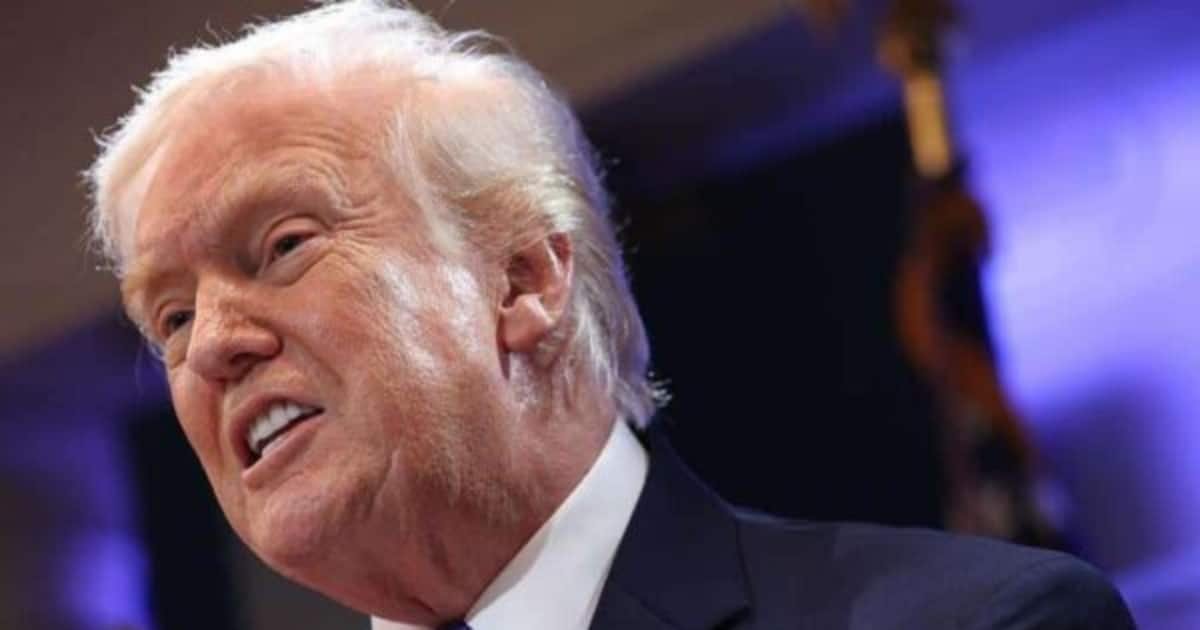



In a major legal blow to his economic agenda, the U.S. Supreme Court struck down President Trump’s “Liberation Day” tariffs on Friday, February 20, 2026. Within hours, a defiant Trump signed an executive order to reimpose a baseline 10% global tariff using an alternative legal pathway.
A Rebuke of Executive Overreach
The Supreme Court ruled 6–3 that the President exceeded his authority under the International Emergency Economic Powers Act (IEEPA), a 1977 law intended for national security emergencies.
- The Majority View: Chief Justice John Roberts wrote that the power to tax and impose tariffs belongs explicitly to Congress under Article I of the Constitution. He famously remarked, “The United States, after all, is not at war with every nation in the world.”
- The Dissidents: Justices Thomas, Alito, and Kavanaugh dissented, arguing the President needs broad powers to manage the modern economy and national security threats.
- The Refund Crisis: The court did not provide a mechanism for returning the $160 billion to $264 billion already collected. Legal experts warn that reimbursement litigation could take years.
Breaking news 🚨: Trump put extra 10 % tarrif on all countries pic.twitter.com/fbddk3JxOw
— The News Empire (@PriyanshuK76467) February 21, 2026
Trump’s Response: “Plan B” Initiated
President Trump reacted with characteristic fury during a White House press briefing, calling the majority justices “fools and lapdogs” and claiming they were “swayed by foreign interests.” He then immediately pivoted to his backup plan:
- The New Order: Trump invoked Section 122 of the Trade Act of 1974, which allows the president to impose tariffs of up to 15% to address “large and serious” balance-of-payments deficits.
- The Catch: Unlike the struck-down IEEPA tariffs, Section 122 is a temporary “stopgap” measure. It expires automatically after 150 days unless extended by a vote in Congress.
- Section 232 & 301: Trump clarified that industry-specific tariffs (on steel, aluminum, and autos) based on other statutes remain “in full force and effect.”
Economic Impact & Market Reaction
The sudden shift from a massive tariff regime to a “Plan B” stopgap has created significant market volatility:
| Metric | Pre-Ruling | Post-Ruling (Plan B) |
| Effective Tariff Rate | 16.9% (Highest since 1947) | 9.1% |
| Household Cost | ~$1,300 per year | ~$800 per year |
| Revenue Projection | $1.4 Trillion (10 years) | Wiped out by ~75% |
Trump’s new announced tariffs- basically add 20% to the cost of any product you buy. This is going to be horrible pic.twitter.com/1oHX2hx9Pt
— Maya Luna (@envisionedluna) April 2, 2025
Business Sentiment: While retail and tech sectors initially cheered the ruling, the immediate imposition of the new 10% global levy has tempered that optimism. Small businesses, the primary plaintiffs in the case, are now focusing on a “Refund Revolution” to reclaim billions in previously paid duties.
You May Like To Read: Delhi and Kabul on the Same Page, Defence Minister Asif
Political Fallout
The ruling has created a rift within the Republican party. While VP JD Vance condemned the “lawlessness” of the court, several GOP lawmakers expressed relief, seeing it as an opportunity for Congress to reclaim its constitutional trade powers.
Check out our latest video: