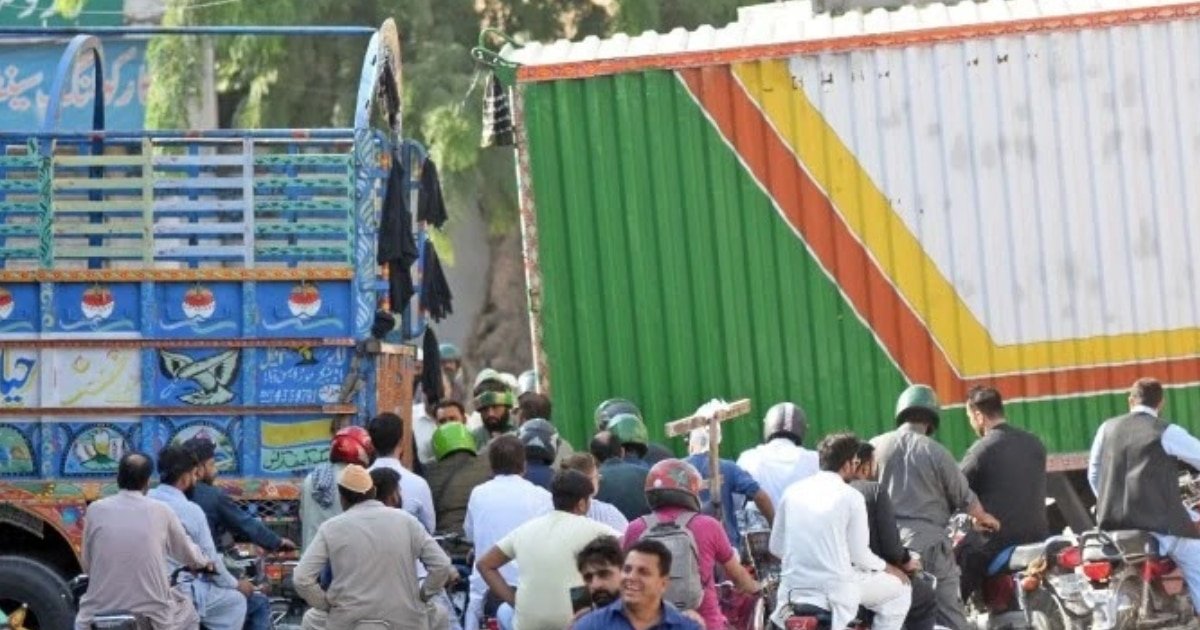





RAWALPINDI (April 23, 2026) — The stringent security blanket surrounding the “Islamabad Peace Dialogue” has led to a severe supply chain crisis in Rawalpindi and Islamabad. With goods transport suspended since April 19, the twin cities are grappling with a shortage of edible items and fuel, prompting urgent calls from traders to reopen vital transit routes.
Supply Chain Disruptions at a Glance
- Oil tanker movement has stalled, threatening fuel supplies to Islamabad and Peshawar airports.
- Stocks of fruits, vegetables, and grains in local warehouses are nearly exhausted; the Sector I-11 market reports a two-day business standstill.
- Supply chains for Azad Jammu and Kashmir (AJK) and Gilgit-Baltistan—which rely on Rawalpindi as a hub—are on the verge of collapse.
- Thousands of daily wage workers and loaders at transport terminals have been left without work for nearly a week.
Suspension of goods transport in Rawalpindi and Islamabad disrupts food and fuel supply, causing shortages in twin cities.
Traders and transporters have urged the administration to reopen roads for cargo vehicles, noting that public transport already operates.
Oil Tanker… pic.twitter.com/auknnEYfeF
— Bloom Pakistan (@bloom_pakistan) April 23, 2026
The Airport Fuel Threat
Noman Ali Butt, spokesperson for the Oil Tanker Contractors’ Association, warned on Wednesday that the entry ban on heavy vehicles is severely hampering petroleum dispatches. While some passenger transport has been diverted, oil tankers remain parked at depots. The association warned that if tankers are not granted immediate clearance, aviation operations at major northern airports could face significant interruptions.
Market Shortages and Price Hikes
Traders in the garrison city have issued a stark warning: the gap between demand and supply will inevitably lead to a sharp spike in food prices.
Qadir Mir (Fruit & Vegetable Traders Association) noted that the twin cities are currently surviving on four-day-old stock that is now running out.
Shaqeel Qureshi (Rawalpindi Goods Transport Association) proposed that goods transport be allowed to use the Motorway (M-2/M-1) to bypass city blockades, even if it leads to higher freight charges.
Administrative Response
When contacted, Regional Transport Authority (RTA) Secretary Syed Asad Shirazi confirmed that the grievances of the transporters have been forwarded to the Punjab government. He stated that the resumption of goods transport is contingent on a formal security clearance from provincial authorities, which is being balanced against the high-profile arrival of foreign delegates in the capital.
As the “Islamabad Talks 2.0” progress, the pressure on the local administration to establish a “green corridor” for essential supplies continues to mount, with residents fearing a total market shutdown by the weekend.
You May Like To Read: Azerbaijan offers LNG lifeline to Pakistan as Hormuz blockade strands Qatari shipments
Check out our latest video: