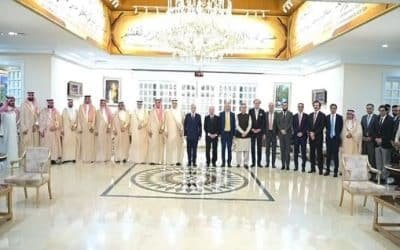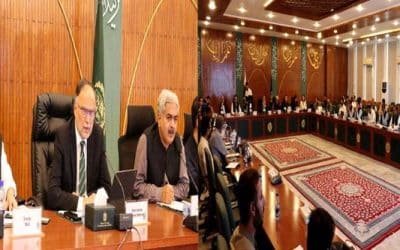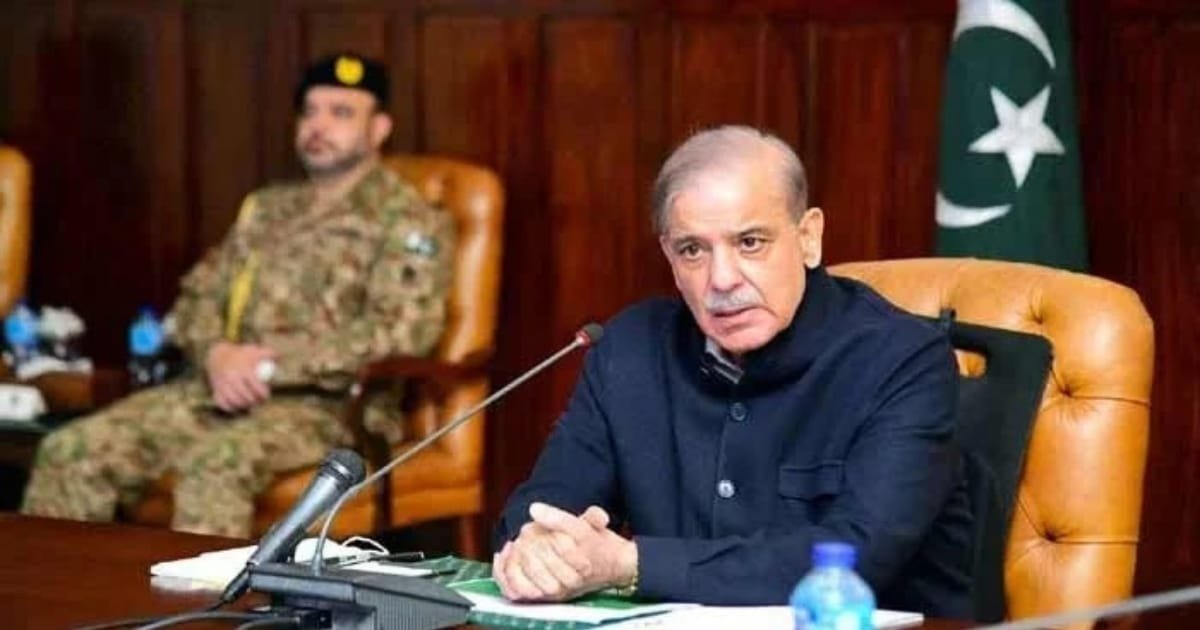



Prime Minister Shehbaz Sharif on Wednesday directed federal authorities to fast-track the export of surplus food commodities to Gulf nations, emphasizing the need to support regional food security while maintaining stable domestic supplies. Chairing a high-level review meeting in the capital, the Prime Minister approved a strategic list of 40 food items for export, including meat, dairy, and grains. The directive comes as Pakistan moves to enhance its maritime and aviation efficiency, slashing port transport charges by 60 percent to facilitate smoother trade flows during the current regional situation.
خلیجی ممالک کو ضروری اشیائے خوردونوش کی برآمدات اور پاکستان کی بحری سرگرمیوں سے متعلق جائزہ اجلاس، وزیراعظم کی خلیجی ممالک کو اضافی غذائی اشیاء کی برآمدات میں تیزی لانے کی ہدایت@CMShehbaz @PakPMO#RadioPakistan #news https://t.co/Wu5zYTzIFU pic.twitter.com/OoYst3AbJV
— ریڈیوپاکستان (@PBCofficialNews) March 25, 2026
Key Highlights
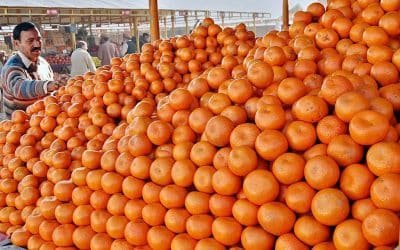
- PM Shehbaz approved 40 surplus food items—including rice, meat, poultry, and fruits—for immediate export to the Middle East.
- Port transport charges reduced by 60 percent; transshipment rules amended to allow off-dock terminal handling.
- A comprehensive plan is underway to expand flight operations at Karachi, Gwadar, and other international airports.
- Authorities mandated to ensure 100 percent monitoring of local supply lines to prevent domestic shortages or price hikes.
- Oil tankers carrying crude oil to receive priority berthing at national ports to ensure energy security.
Strengthening Regional Food Security
The Prime Minister’s Office (PMO) confirmed that the special committee has finalized a database of exporters ready to engage with Gulf partners. During the session, the Prime Minister noted that global supply lines have been significantly impacted by the evolving regional climate, making it Pakistan’s “duty” to assist neighboring Gulf states with their nutritional requirements.
“It is our responsibility to cater to the food security needs of the Gulf countries at a time when international logistics are under strain,” the Prime Minister stated. He further warned that any bureaucratic delays in decision-making would not be tolerated, stressing that officials would be held accountable for any lapses in the export timeline.
اسلام آباد: 25 مارچ 2026
وزیراعظم محمد شہباز شریف کی زیر صدارت موجودہ علاقائی صورتحال کے تناظر میں خلیجی ریاستوں کو اشیائے خورونوش کی فراہمی اور پاکستان کی بندرگاہوں اور میری ٹائم آپریشنز کے حوالے سے اہم جائزہ اجلاس آج اسلام آباد میں منعقد ہوا.
وزیراعظم نے خلیجی ممالک کو… pic.twitter.com/khi5fnAwLs
— Prime Minister’s Office (@PakPMO) March 25, 2026
Infrastructure and Port Efficiency
In a move to make Pakistani exports more competitive, the meeting was briefed on significant cost-cutting measures. Transport charges at ports have been slashed by up to 60 percent, and export facilitation desks are now fully functional. To handle the increased volume, the government has amended customs rules to allow for transshipment at off-dock terminals, effectively increasing the processing capacity of major maritime hubs.
Meanwhile, the premier called for a robust expansion of flight operations. This plan focuses on Karachi and Gwadar airports to create a seamless “air bridge” for perishable goods like fruits, vegetables, and meat, which will notably be exported without additional service charges to encourage high-volume trade.
Balancing National Interests
While the push for exports is aggressive, PM Shehbaz was clear that the Pakistani consumer remains the priority. He instructed all departments, including the Ministry of National Food Security and Research, to maintain a rigorous check on the demand-and-supply situation within the country.
The strategy ensures that only “surplus” items—those exceeding the nation’s own nutritional needs—are shipped abroad. “Complete monitoring of the domestic situation is mandatory,” the PMO handout quoted the premier as saying, reinforcing that the export drive must not lead to local inflation.
As a related development, business-to-business (B2B) webinars and meetings are already being conducted with Gulf counterparts to align Pakistan’s production with the specific market demands of the Middle East.
You May Like To Read: PMDC Directs 10 Universities to Stop Unrecognised Postgraduate Medical and Dental Programmes
Check out our latest video: