




Pakistan constantly walks a tightrope between honoring international law and protecting national interests. Faced with regional tensions, internal threats, and global expectations, it often operates in a so-called grey zone. This approach combines legal and non-legal tools, sometimes resulting in criticism over perceived double standards.
Pakistan’s Legal Commitments
Pakistan has ratified key human rights treaties and has enshrined them in its constitution. Citizens enjoy rights to life, expression, and fair trial. Pakistan regularly submits reports to human rights bodies and engages with UN mechanisms. These actions show a formal commitment to the global legal system.
Pakistan’s National Security Policy for 2022-2026 emphasizes a citizen-focused security framework. It addresses both traditional threats and non-traditional risks, including economic instability, climate change, cyber threats, and hybrid warfare.
The policy promotes collaboration with security agencies, civil society organizations, and regional partners. It aims to strike a balance between internal development and resilience in the face of external pressures.
Pakistan faces a constant tension between legal obligation and security necessity. Its situations with India or in the conduct of CPEC projects sometimes involve invoking international law to secure support or influence. Observers attribute this to a form of strategic legal maneuvering. In legal theory, this is often referred to as lawfare. Pakistan may use court cases or public legal arguments to shape perceptions.
#China & #Pakistan are no longer just neighbours, they’re strategic enablers. From #CPEC to coded insurgency, their collusive front targets #India’s sovereignty in #Kashmir and beyond. Collusion is no longer covert, it’s codified: @SoumyaAwasthi17 https://t.co/eAaGqRq1Du
— ORF (@orfonline) July 23, 2025
In the cyber sphere, Pakistan has sought global cooperation to curb cyber threats. It navigates a delicate path between preserving sovereignty and adhering to international norms. It contributes to United Nations working groups rather than binding cyber treaties. This preserves autonomy while still participating.
Pakistan is ramping up security measures for Chinese nationals across the country, PM Shehbaz Sharif said, as Islamabad hopes for more investment projects under the second phase of CPEC. https://t.co/6WSQeNuPOm
— Arab News Pakistan (@arabnewspk) July 23, 2025
Pakistan faces criticism over selective compliance with legal standards. Some observers highlight gaps in the way human rights complaints are handled at home. Others note that its responses to legal disputes tend to be reactive. This can weaken its position in global negotiations and harm economic or diplomatic interests.
The rise of grey zone threats adds further complexity. Grey zone activities include clandestine operations, information warfare, or coercive diplomacy. These acts often lack clear attribution and fall outside the traditional boundaries of warfare. They challenge sovereignty without provoking open war.
How Pakistan Responds
Pakistan must build stronger legal resilience. It needs legal tools to counter hybrid threats and defend its position proactively. It must enhance institutional response capacity, use legal foresight, and avoid reactive postures.
Human security must fit at the core of national policy. The Security Policy highlights key needs, including economic opportunity, social stability, climate resilience, and cyber safety. These must digest into laws, institutions, and budgets.
International cooperation remains vital. Pakistan engages with global partners on cyber defence, climate adaptation, and counterterrorism. However, it must ensure that cooperation does not compromise sovereignty.
Legal and Strategic Balance
| Area | Pakistan’s Approach | Key Tension |
| Human Rights | Ratified treaties; constitutional rights | Application in practice |
| National Security | NSP 2022-26 framework | Traditional vs emerging threats |
| Legal Strategy (Lawfare) | Use of legal forums in disputes | Perception of selective application |
| Cyber Governance | UN-led engagement only | Sovereignty vs global structure |
| Response to Challenges | Often reactive | Proactive legal planning required |
Pakistan must strengthen its response to legal challenges. Rather than waiting for issues to arise, it is essential to anticipate cross-border disputes, digital risks, and global legal trends. That requires institutional reform and the development of legal capacity.
A proactive legal strategy must protect the rule of law and deter violations. Pakistan should promote human rights not just to fulfill treaty obligations, but because citizen well-being strengthens security.
Greater international cooperation is also essential. Pakistan must engage in regional cyber-sharing networks. It should collaborate with neighbors on addressing climate-induced displacement and improving food security.
However, it must ensure that global agreements do not compromise domestic decision-making.
Cybersecurity: A Frontier of Grey Zone Tensions
Cybersecurity has become a key arena. Attribution is difficult. Intent is often opaque. Pakistan strongly supports UN processes such as the Open-Ended Working Group and Group of Governmental Experts. These affirm that the UN Charter holds in cyberspace, while acknowledging that state control remains essential.
Pakistan does not participate in treaties like the Budapest Convention. It views such treaties as likely to open gaps in sovereignty. At the same time, it seeks bilateral and regional cyber pacts based on mutual trust. That reflects a wider preference: engage where interests align, reject where risk appears.
Major powers now compete through legal and regulatory means. Pakistan’s location makes it the center of those rivalries. It partners with China, navigates ties with the United States, and mitigates threats from India. Each relationship brings legal and strategic risks.
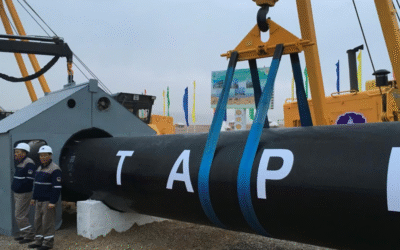
For example, its role in CPEC draws scrutiny over land acquisition and labour rights. Pakistan uses international law to highlight investment treaties and infrastructure contracts. Critics say lawfare used selectively undermines legal credibility.
Pakistan must integrate law and security through a citizen-centric approach, rather than relying on reactive shortcuts. By learning from hybrid threats and upholding constitutional rights, it can protect sovereignty and build cyber resilience. A strategic, rights-based approach will position Pakistan as a credible and engaged actor in a complex global environment.