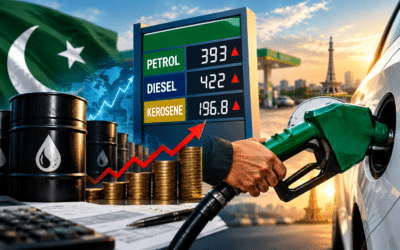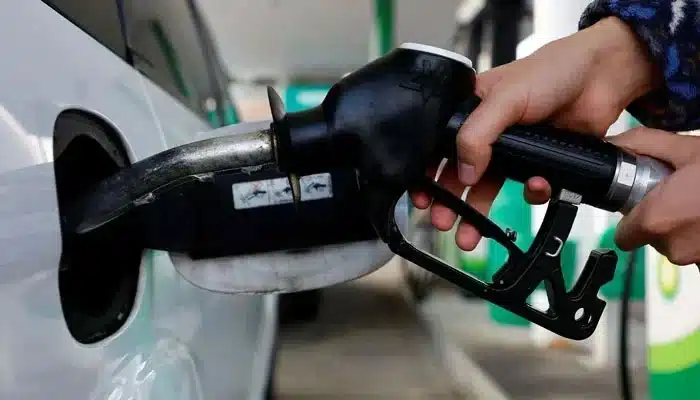





ISLAMABAD, May 15 — The federal government announced a Rs5 per litre cut in the prices of both petrol and diesel on Friday night. According to the Petroleum Division, the new, lower prices will take effect across the country starting May 16. This small relief comes just a week after the government had approved a large price hike, bringing some comfort to citizens who are struggling with high living costs.
Quick Facts
- Petrol and diesel prices have both been reduced by Rs5 per litre.
- The new price for petrol is Rs409.78 per litre.
- The new price for high-speed diesel is Rs409.58 per litre.
- Fuel prices are currently being reviewed every week on Friday nights.
- The price cuts follow a massive hike of nearly Rs15 per litre last week.
- Global fuel supplies remain tight due to the ongoing Middle East conflict and the closure of the Strait of Hormuz.
Relief for consumers and transport sector as new rates take effect May 16, but high fuel costs continue to weigh on inflation and household budgets across Pakistan.
Read more at:https://t.co/P7omqClaCz pic.twitter.com/L3z6TzlK6R— Profit (@Profitpk) May 15, 2026
The recent changes in fuel prices are closely tied to the war in the Middle East, which has heavily disrupted global oil supplies. Since the conflict began earlier this year, the closure of the vital Strait of Hormuz shipping lane has forced the government to adjust fuel rates frequently to cope with international market pressure. In the months following the start of the crisis, Pakistanis saw dramatic price swings, including a massive 43 to 55 percent price jump in early April, which was later balanced out by emergency government subsidies and tax cuts.
This latest price reduction will directly help ordinary citizens and the transport sector. Petrol is the main fuel used by motorcyclists, rickshaws, and family cars, meaning lower prices immediately ease the weekly budget for middle and lower-income families. Meanwhile, diesel runs the country’s heavy trucks and large backup generators. While a Rs5 cut is modest compared to the steep price increases seen over the past few months, it signals a brief pause in the severe inflationary pressures facing the public.