

When we discuss women in Pakistani art and literature, we uncover deeper themes. It’s not just about beautiful images or novels. It’s about how they express themselves. Their work reflects our shared stories. These voices are bold and refuse to be silenced. In her book A History of Pakistani Literature in English, Muneeza Shamsie emphasizes how women writers have long used their stories to challenge traditional views about gender roles and to share women’s experiences. She points out that their writing often explores personal and private topics to reveal larger social and political issues. From past writers to today’s online poets, women in Pakistan share their narratives. They ensure their stories are heard. Each word and piece of art is a quiet but strong act of change.
You May Like To Read: “Pakistani Cinema: A Cultural Ambassador and Breaker of Stereotypes”
The Early Torchbearers
Long before social media, extraordinary women like Fatima Surayya Bajia shaped their worlds. She blended tradition with creativity, crafting captivating television stories that connected audiences to their cultural roots. An Urdu novelist and playwright (1930-2016), Bajia is celebrated for her work with Pakistan Television (PTV), where her dramas like Shama, Afshan, and Aroosa showcased strong, complex female characters in family settings. An obituary in Dawn praised her for portraying educated, thoughtful women, which challenged simplistic stereotypes.
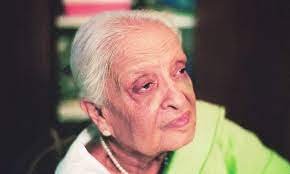
Source: DAWN
Parveen Shakir (1952-1994) transformed Urdu poetry with her distinct female voice, exploring love, desire, and societal challenges faced by women. Scholar C. M. Naim noted her honest exploration of women’s emotional experiences, contrasting with the male-dominated tradition of Urdu poetry. Her collection, Khushbu (Fragrance), is renowned for its themes of female desire and heartbreak, boldly challenging societal limits on women’s expression.
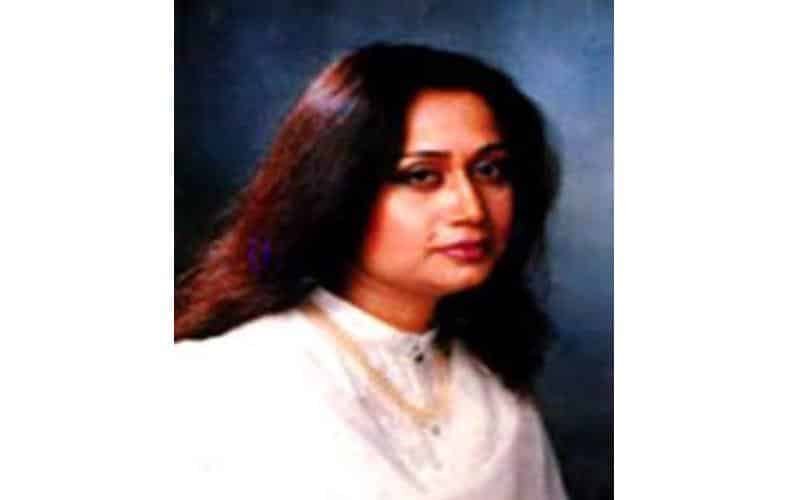
Source: Youlin
Voices That Shaped the Fields
Several influential women have made significant contributions to Urdu poetry. Zehra Nigah has been a pioneering figure since the 1950s. She led poetry gatherings known as mushairas. Nigah gained respect in a male-dominated field. Asif Farrukhi highlights her status alongside poets like Faiz Ahmed Faiz.
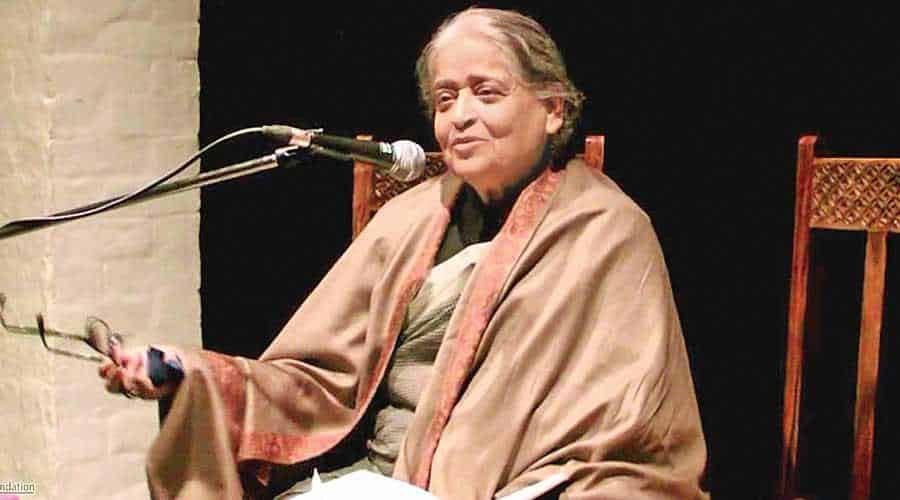
Source : MTW
Kishwar Naheed is famous for her feminist poetry. Her poem “ہم گنہگار عورتیں” (“We Sinful Women”) is an anthem of defiance in South Asia. It challenges patriarchal norms and was translated by Rukhsana Ahmad. Khalida Hussain (1937-2019) was a celebrated Urdu short story writer. Her collection “کاغذی گھاٹ” (Kaghazi Ghat – The Paper Quay) explores existential and surrealist themes. The Express Tribune praised her as “a connoisseur of the Urdu short story.” Her work remains significant.
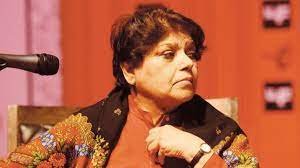
Source: DAWN
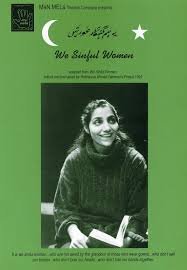
Source: Vads
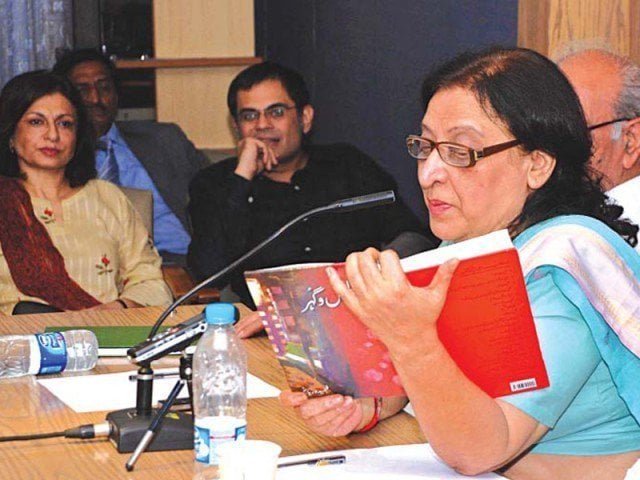
Source: Tribune
Fahmida Riaz (1946-2018) was a bold poet. She challenged societal norms and addressed taboos. Riaz confronted religious hypocrisy and state oppression. Dawn described her as a “poet of resistance.” She tackled topics like female desire and dictatorship. Both authors enriched Urdu literature and inspired future generations.
The Bridge Between Then and Now
Art and literature in Pakistan are changing and growing. They are moving from traditional plays and stories to modern forms like Instagram poetry. Women are playing a vital role in this transformation, showcasing their creativity through writing, painting, and photography.
Authors such as Kamila Shamsie and Bina Shah tell powerful stories about Pakistani women. Their works reach readers worldwide, helping to connect different cultures and highlighting the rich identities of Pakistani people. Shamsie, in particular, captures readers’ attention with her novels, such as Home Fire and Burnt Shadows. These books have received numerous accolades, including the Women’s Prize for Fiction in 2018 and recognition from the Booker Prize.
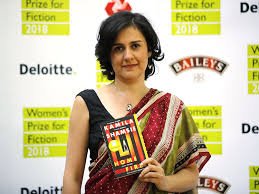
Source: Gulf News
Literature can be seen as a relay race, with each author sharing their unique perspectives. Bapsi Sidhwa shines a light on cultural conflicts, especially the strength of women during the Partition, in her novels Ice-Candy Man and Water. Her stories, told through the eyes of young girls, explore the struggles women faced during tumultuous times.
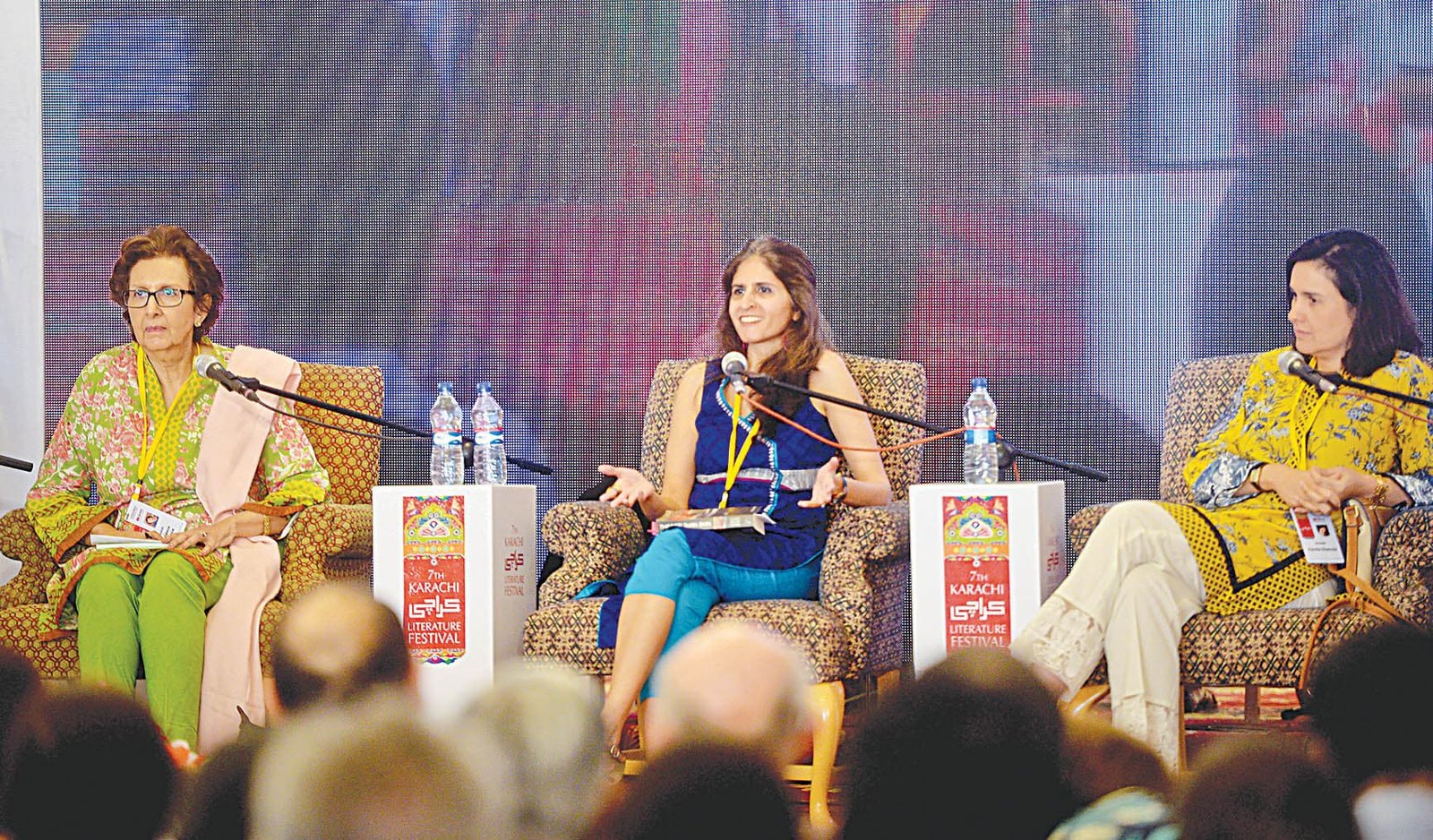
Source: DAWN
Sara Suleri writes personal memoirs that intertwine her life experiences with broader national issues. Her book Meatless Days combines family memories with the history of Pakistan, making it an essential read in postcolonial literature.
Fatima Bhutto explores different genres and takes on societal norms and political stories through her writing. Other significant authors include Saba Imtiaz, Moni Mohsin, and Uzma Aslam Khan, who bring their unique voices to the literary scene. For instance, Moni Mohsin is recognized for her witty satire in The Diary of a Social Butterfly, while Saba Imtiaz’s Karachi, You’re Killing Me! cleverly combines personal experiences with observations about city life.
These writers use their work to reflect society, mixing humor, personal stories, and feminist themes. Together, they bring important issues to light, making their stories resonate with readers everywhere.
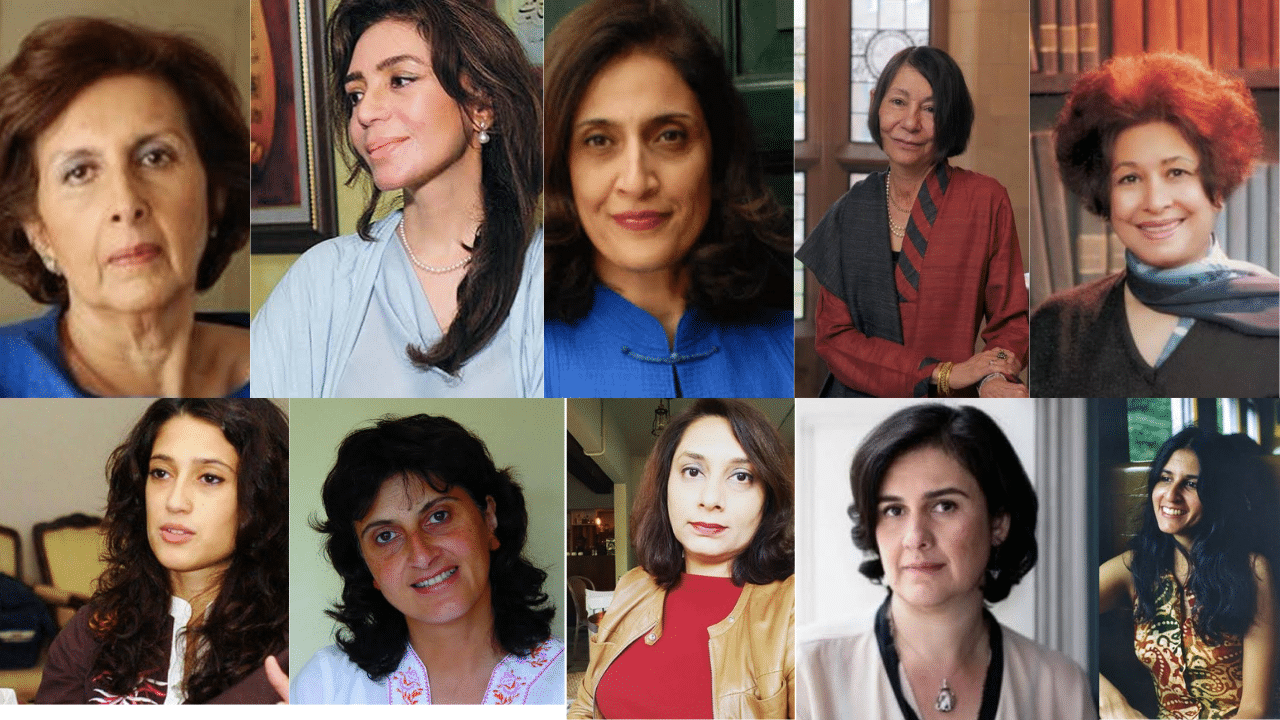
Source: The Prelude
Art, Activism, and the Living Canvas
At 82, Salima Hashmi continues to support new artists from her home in Lahore. Her house has become a haven for culture and history. Literature and activism are merging in meaningful ways. A study published in the Journal of International Women’s Studies discusses how women’s writing in Pakistan serves as a powerful way to push back against mainstream ideas and stereotypes. It highlights how these writers create their own stories and perspectives, allowing women to express themselves and take control of their narratives.
Pakistan’s Senate has approved an important bill. The bill bans child marriage and raises the minimum age for marriage to 18. This progress comes after years of advocacy for children’s rights. However, the country still faces serious issues. Recent honor killings in Quetta have caused national outrage. These incidents have sparked discussions about women’s safety.
Many cultural and feminist organizations are calling for peace. They are working together across borders to amplify women’s voices amid regional tensions. These events are not just headlines. They form the backdrop of stories shared by women writers and artists throughout history.
Reasons Why This Narrative is Relevant Today
This story is about bravery and creativity. It reflects on the vibrant journey of women in Pakistan today. Zehra Nigah holds poetry gatherings. Kamila Shamsie won the Booker Prize. Salima Hashmi showcases her art while advocating for changes to child marriage laws in the Senate.
Women’s voices in Pakistan seek justice, beauty, and honesty. Their contributions to art and literature are vital. Today’s artists build on the work of pioneers like Bajia and Shakir. Yet, they face challenges, like censorship and stereotypes. Ideas of “modern” are also changing. Despite obstacles, women continue to push forward. Their creativity flourishes through their experiences. They offer unique perspectives that enrich Pakistan’s narrative.
Women have always been storytellers. They use traditional writing tools and modern technology. Social media, like TikTok, plays a role in their storytelling. The future promises passion and creativity. Women’s voices will stay significant.
Pakistani women share their stories through poetry and novels worldwide. They also create meaningful change in their communities. They are reshaping their experiences for a better future.
You May Like To Read: Cultural Diplomacy Through Art And Music