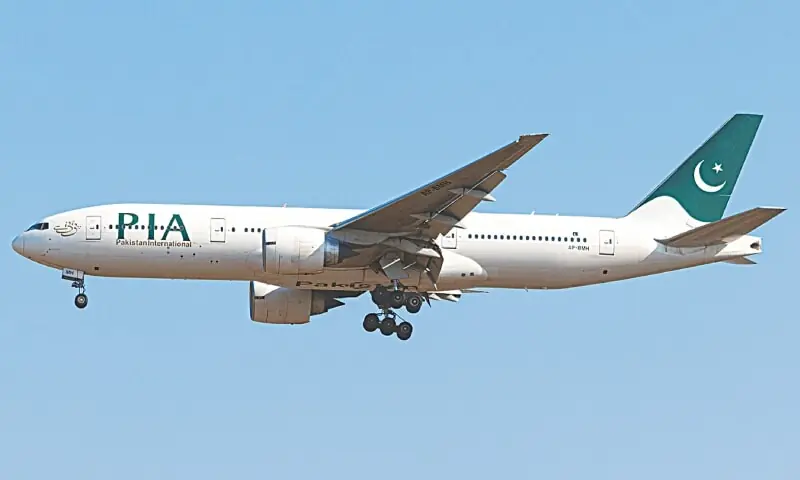


ISLAMABAD — The privatisation of Pakistan International Airlines (PIA) has thrust the country’s aviation sector into sharp focus, sparking debate over competition, labour rights and the future of a carrier long seen as both a national symbol and a financial burden. While a complete turnaround of the airline is expected to be a prolonged and challenging process, the impact of new ownership is likely to be tested quickly as passengers assess service quality, fares and route expansion.
The federal government has projected the sale of a 75 per cent stake in PIA to the Arif Habib-led consortium as a landmark reform, describing it as a decisive break from bureaucratic inertia and chronic losses. The stake was sold for Rs135 billion through a televised auction, with the government set to receive Rs10bn in cash proceeds while retaining shares valued at around Rs45bn. The consortium has pledged to inject approximately Rs125bn into rehabilitating and expanding the airline.
Supporters argue that privatisation was unavoidable, citing PIA’s persistent financial distress, shrinking routes and declining service standards. However, public scepticism remains strong, shaped by mixed experiences with earlier privatisations such as K-Electric and lingering emotional attachment to PIA as a national asset.
You May Also Like: A Giant Among Legends: Arshad Nadeem’s Global Recognition in Dubai
Labour concerns have emerged as a central fault line. Workers’ representatives have opposed the deal, warning of job insecurity, erosion of benefits and exclusion from the privatisation process. Hidayatullah Khan, President of PIA’s Collective Bargaining Agent, criticised the government for proceeding without parliamentary or inter-provincial consultation and demanded safeguards for employees, including severance options. Aircraft engineers, while not rejecting privatisation outright, have raised concerns about legality, future fares and workforce morale.
Arif Habib, founding chairman of the Arif Habib Group, has defended the acquisition as the best possible outcome under difficult circumstances. He said the privatisation values PIA at Rs180bn and allows the state to offload an entity with a net asset value of just Rs9bn while shedding tens of billions of rupees in annual losses. According to the consortium, fresh capital will be used to modernise operations, restore PIA’s fleet of 23 aircraft to full service and expand it to 38 aircraft in the first phase.
Under the terms of the deal, the government will receive Rs10bn in cash proceeds and retain shareholding valued at around Rs45bn.https://t.co/crbavdym29
— Dawn Business (@dawn_business) January 12, 2026
Regulators have struck a cautious note. The Competition Commission of Pakistan (CCP) termed the privatisation a potentially positive structural reform that could ease fiscal pressure and improve efficiency, but stressed that benefits to consumers depend on robust regulation and open market access. It warned that private ownership alone does not guarantee competitive fares or better service unless effective oversight ensures a level playing field.
As Pakistan watches closely, the success or failure of the PIA deal may shape not only the airline’s future but also public confidence in broader economic reforms.
Check out our latest video: