



On Thursday, April 2, 2026, the conflict between the U.S.-Israeli coalition and Iran reached a critical new threshold with the destruction of the B1 Bridge in Karaj. The strike has triggered a fierce war of words between Iranian Foreign Minister Abbas Araqchi and U.S. President Donald Trump, signaling a potential shift toward a “Total Infrastructure War.”
Striking civilian structures, including unfinished bridges, will not compel Iranians to surrender.
It only conveys the defeat and moral collapse of an enemy in disarray. Every bridge and building will be built back stronger. What will never recover: damage to America’s standing. pic.twitter.com/872zuE36qD
— Seyed Abbas Araghchi (@araghchi) April 2, 2026
Destruction of the B1 Bridge
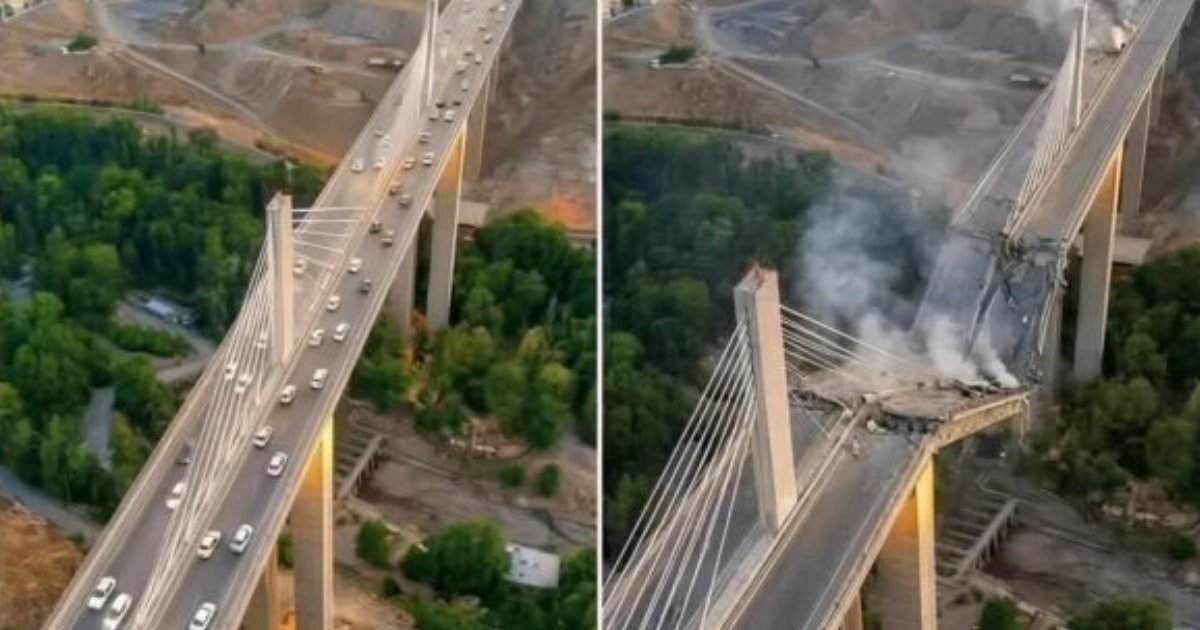
The target was the B1 suspension bridge in Karaj (approx. 35km southwest of Tehran), a $400 million engineering marvel and a centerpiece of Iran’s modern infrastructure.
- The Attack: The 136-meter-high bridge was reportedly struck twice by high-precision munitions, causing the central span to collapse onto the causeway below.
- Casualties: Iranian state media reports that at least 8 people were killed and 95 others injured. Many victims were first responders who had arrived at the scene after the initial strike.
- Symbolic Loss: Known as Iran’s tallest bridge, the B1 was a vital link between Tehran and the industrial hubs of Alborz province.
“Reputation Cannot Be Rebuilt”
Following the strike, Foreign Minister Abbas Araqchi took to social media to signal that the targeting of civilian infrastructure would not achieve its intended goal of forced surrender:
- Resolve: Araqchi posted a photo of the wreckage, stating, “Striking civilian structures, including unfinished bridges, will not compel Iranians to surrender. It only conveys the defeat and moral collapse of an enemy in disarray.”
- The Counter-Strike: He vowed that every building and bridge destroyed would be “built back stronger,” while taunting the U.S. by claiming that America’s global reputation is the only thing currently being destroyed beyond repair.
Trump’s Ultimatum: “Make a Deal Before It’s Too Late”
President Trump was quick to claim responsibility for the destruction, utilizing his social media platform to amplify the psychological pressure:
- The Warning: Trump posted footage of the collapse with the caption: “The biggest bridge in Iran comes tumbling down, never to be used again… Much more to follow! IT IS TIME FOR IRAN TO MAKE A DEAL BEFORE IT IS TOO LATE.”
- Targeting Power Plants: In a subsequent prime-time address, Trump expanded his threat, stating that if a deal isn’t reached by the April 6 deadline, the U.S. will move to destroy Iran’s national electrical grid and water infrastructure simultaneously.
Impact on the Islamabad Peace Summit
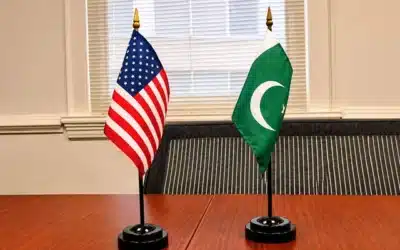
The escalation comes just as Pakistan prepares to host the “decisive” round of talks:
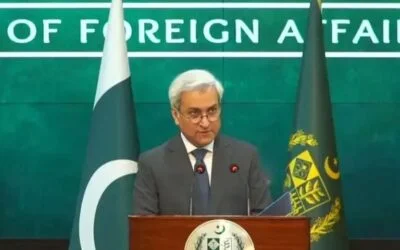
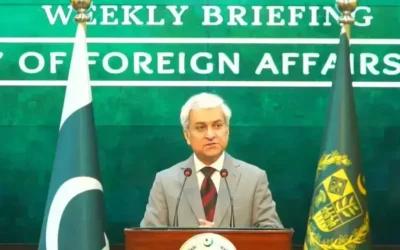
- Pakistan’s Role: Despite the bridge strike, Pakistan’s Foreign Office spokesperson, Tahir Andrabi, confirmed today that both the U.S. and Iran have expressed “continued confidence” in Islamabad as a mediator.
- The 5-Point Plan: DPM Ishaq Dar’s peace proposal—endorsed by China—is currently the only formal framework on the table. It calls for an immediate cessation of strikes on civilian infrastructure and a phased reopening of the Strait of Hormuz.
- Obstacles: Andrabi acknowledged “significant obstacles” (referring to the bridge strike and Trump’s threats) but emphasized that Pakistan remains committed to a diplomatic breakthrough.
Regional Conflict Snapshot: April 3, 2026
| Actor | Status | Current Position |
| USA | Aggressive | “Infrastructure War” phase; Targeting bridges and depots. |
| Iran | Defiant | Vows to rebuild; Threatens “crushing” retaliation for Karaj. |
| Pakistan | Facilitator | Maintaining the “Islamabad Channel” despite local escalations. |
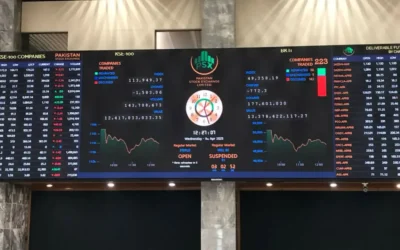
| Market | Panic | Brent crude jumped 4.9% to $116.16 following the bridge strike. |
You May Like To Read: Trump Ousted Attorney General and Army Chief of Staff
Check out our latest video: