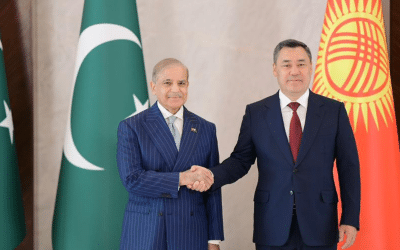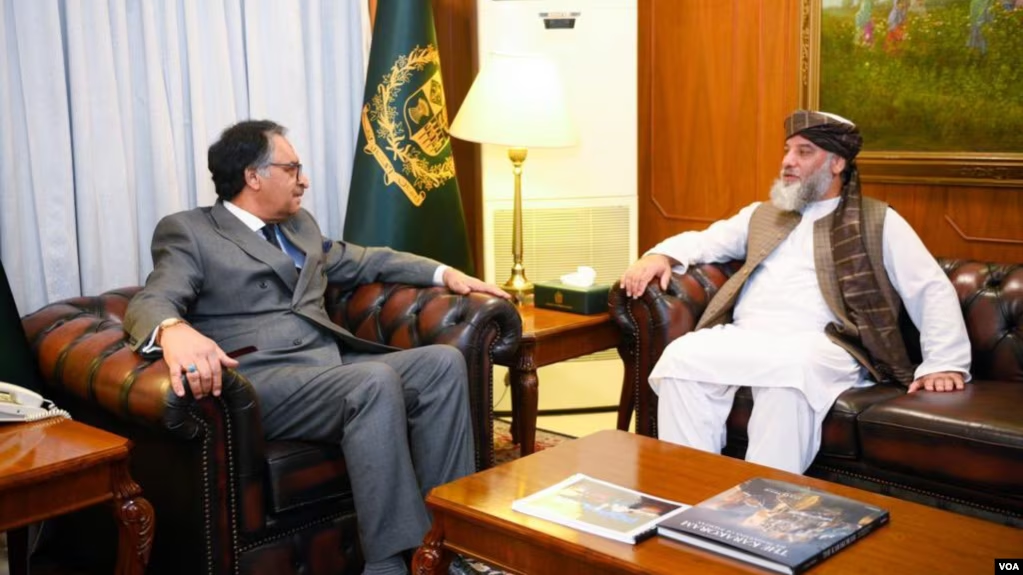


Relinking between Pakistan and Afghanistan at the ambassador level took place in May 2025, with Islamabad demonstrating an increased level of commitment to Kabul. Pakistan announced it would elevate its chargé d’affaires in Kabul to full ambassadorship after trilateral talks in Beijing with Chinese and Afghan officials. Afghanistan responded similarly, pledging to send its ambassador to Pakistan.
The step represents a significant diplomatic breakthrough. It effectively recognizes the importance of smooth high-level interactions and paves the way for increased cooperation in exchange programs, security, and cultural relations. Furthermore, it establishes a professional framework in which Pakistan can engage in constructive dialogue, supporting its positive regional diplomacy.
Pakistan as a Bridge for Regional Peace
The perceived effects of instability in Afghanistan have long been incorporated in Pakistan, which held “the belief: Afghanistan’s stability means Pakistan’s stability.” Islamabad has been calling upon Afghan-led reconciliation through active engagement in peace processes, including the Doha talks and the UN-supported efforts. The Ministry of Foreign Affairs of Pakistan reiterated that a political resolution is the only path to lasting peace, and Islamabad is willing to host Afghan-led political negotiations.
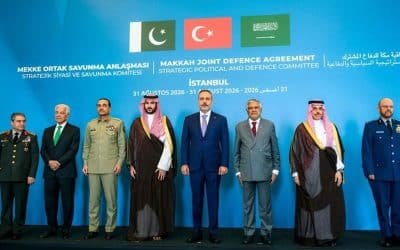
Pakistan pursues this diplomacy through its role in multilateral forums, which reinforces its position. As a member of the Shanghai Cooperation Organization (SCO), Pakistan actively supports Afghanistan’s inclusion in regional cooperation with China’s help, promoting peace and connectivity as a basis for development and confidence.
Pakistan’s FM, during his speech at the SCO’s Special Ministerial Conference on Afghanistan in Moscow in May 2023, reiterated: “A peaceful and stable Afghanistan is a key not only to regional integration and economic cooperation but also to global peace and stability. We believe the SCO Afghanistan Contact Group can play a role in coordinating practical cooperation with Afghanistan.” This highlights Islamabad’s utilization of the SCO to promote Afghan inclusion and connectivity.
Economic Ties and Infrastructure Integration
Economic connectivity is probably the best way to show Pakistan’s commitment. The Afghanistan-Pakistan Transit Trade Arrangement (APTTA) lets Afghan trucks carry goods to the ports of Karachi, Port Qasim, and Gwadar in Pakistan. Meanwhile, Pakistan has helped develop vital infrastructure, such as the new roads connecting Chaman to Kandahar, the Torkham-Jalalabad re-route, and transmission lines to Khost, all aiming to improve trade and energy cooperation.
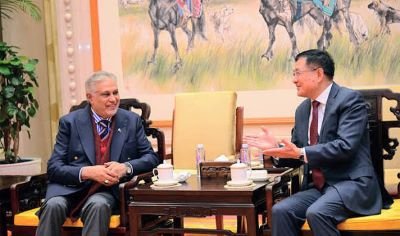
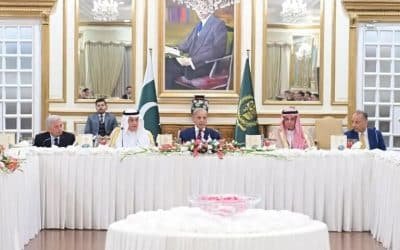
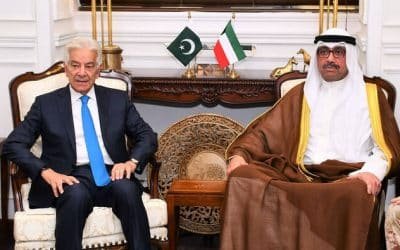
A more transformative opportunity is to expand the China-Pakistan Economic Corridor (CPEC) into Afghanistan. During the trilateral meeting held in Beijing, Pakistani Foreign Minister Ishaq Dar, Chinese Foreign Minister Wang Yi, and Afghanistan’s Acting Foreign Minister Amir Khan Muttaqi emphasized the importance of increased diplomatic engagement, better communication, and tangible actions to boost trade, infrastructure, and development, which are seen as essential for regional prosperity. They expressed a shared commitment to deepening cooperation under the Belt and Road Initiative (BRI), including extending the China-Pakistan Economic Corridor (CPEC) to Afghanistan. Counterterrorism efforts and regional stability were also a major focus of the discussions. The ministers agreed to hold the 6th Trilateral Foreign Ministers’ Meeting in Kabul at an early date that works for everyone. This will give Afghanistan direct access to the Gwadar port and markets in Central and South Asia, reinforcing its role as a regional economic hub.
Humanitarian Support and Refugee Management
Pakistan supported millions of Afghan refugees, along with providing scholarships, health, and safety to war refugees. Through scholarships in institutions of Pakistan has been promoting education despite domestic pressure, with applications received over 22,000 from Afghans for 4500 scholarships in 2024. Also, during the reconstruction period of Afghanistan, Pakistan had provided trucks, ambulances, as well as personnel who are skilled in their technical fields- signs of the long-time humanitarian unity.

Pakistan is considering extending the deadline for 1.4 million legally residing Afghan refugees to return home, offering relief to those initially ordered to leave by June 30. The extension, expected to be discussed in an upcoming Cabinet meeting, aims to give refugees more time to settle personal matters such as selling property or closing businesses before departing in a dignified and orderly manner. The move follows Pakistan’s 2023 crackdown on undocumented foreigners, mainly Afghans, who had fled conflict and poverty over the years. Such tentative steps indicate the balancing act that the government of Islamabad has to play – maintaining national stability on the one hand and regional responsibility on the other.
Security Cooperation and Border Management
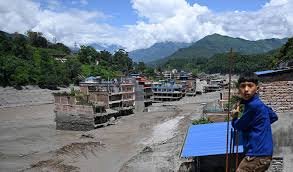
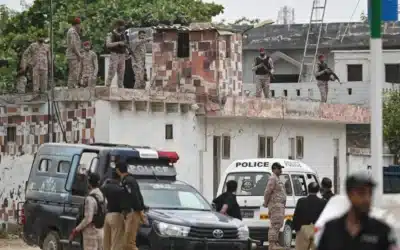
The stability in Afghanistan is closely connected to Pakistan’s national interests. The effects of transnational militancy threaten security, infrastructure, and civilian safety. During recent negotiations, Afghanistan agreed to reduce the activity of transnational terror groups such as Fitna-al-Khawarij (FAK), paving the way for improved border management. The Afghan Taliban have begun relocating FAK members and their families from the Ghazni border region to lessen tensions with Pakistan. This move, along with Pakistan’s renewed diplomatic efforts, highlights its commitment to resolving issues through dialogue. On December 13, the Foreign Office reaffirmed this approach, emphasizing that recent talks with Afghan officials focused on counterterrorism cooperation to address shared security concerns, as highlighted by spokesperson Mumtaz Zahra Baloch.
Role of Pakistan in Regional Stability
Pakistan plays a vital role in fostering peace in South Asia through its diplomatic efforts, trade support, humanitarian work, and security cooperation. It has created direct communication channels and included Afghanistan in wider multilateral organizations such as the SCO.
Notably, Pakistan’s partnership with China, not only as a strategic ally in CPEC but also as a facilitator, enhances its strong regional position. With these projects ongoing, Islamabad remains confident that prosperity and stability are closely connected.
Conclusion
Expanding the China-Pakistan Economic Corridor (CPEC) to Kabul could greatly enhance Afghan connectivity, but it faces significant hurdles, such as securing Taliban cooperation, ensuring route safety, and attracting infrastructure investment. Meanwhile, Pakistan’s refugee policies remain restrained, yet the lack of international support could lead to a humanitarian crisis that endangers regional stability. Effective border security also relies on mutual trust; Afghan commitments to curb groups like the FAK should lead to concrete, cooperative efforts on the ground. To achieve long-term peace, Pakistan must maintain economic ties with Afghanistan through trade, job creation, and development programs that challenge hostile narratives and build goodwill. At a critical moment, Islamabad has chosen to pursue active engagement over indifference, emphasizing diplomacy, economic integration, and counterterrorism cooperation. This approach positions Pakistan as a stabilizing force, investing in Afghanistan’s peace as a foundation for its own security and regional stability.