




The trailer for the upcoming Bollywood film, Dhurandhar, landed with the expected thud of high-octane action, star power, and, unfortunately, an all-too-familiar sense of cinematic fatigue. Directed by Aditya Dhar, known for the high-gloss nationalism of Uri: The Surgical Strike, the film, starring Ranveer Singh and Arjun Rampal, quickly ignited a necessary, though weary, conversation across the border.
While the film attempts to wrap itself in the flag of “inspiring real-life events” and cross-border espionage, what the trailer fundamentally reveals is not a sophisticated spy thriller, but the latest iteration of a decades-old, politically convenient cinematic trope: the warped narrative of Pakistan.

The poster for the film Dhurandhar.
Source: IMDB
Lyari as a War Zone: The Distortion of Reality
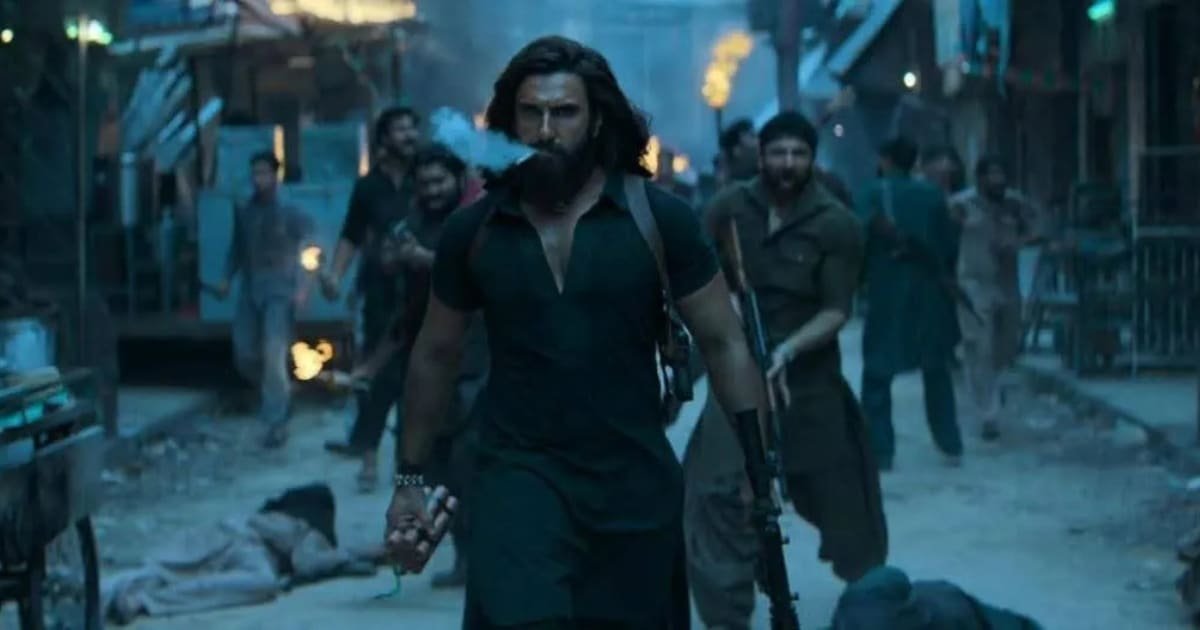
The immediate source of outrage is the film’s handling of Karachi. Specifically, the trailer depicts the vibrant, historically complex neighborhood of Lyari as a “hostile territory” and, according to reports, the “heart of terrorism in the country.” This portrayal is not just inaccurate; it is a calculated distortion.
The Lyari of reality, the cradle of Pakistani boxing, the home of powerful internal political and social dynamics, and yes, a place that tragically endured vicious gang wars, is appropriated and flattened into a generic, dusty battlefield for an Indian RAW agent’s spectacular entry. The Lyari gang wars were a deeply domestic crisis rooted in socio-economic distress and rival political factions, not a theatre orchestrated by foreign spies. To claim that India’s intelligence had to infiltrate Lyari to combat a domestic dispute is not only a historical rewrite but an intellectual theft of the community’s complex pain and history.
Furthermore, the character design echoes the problem. Arjun Rampal’s Pakistani intelligence officer, Major Iqbal (the ‘Angel of Death’), obsessed with “making India bleed,” is a cartoon villain. This caricature is lazy, relying on the audience’s existing biases rather than creating a nuanced antagonist. The supposed inspiration drawn from real figures like the late SSP Chaudhry Aslam and gangster Rehman Dakait only adds a chilling layer to the sensationalism, turning complex human lives and conflicts into fodder for a jingoistic screenplay.
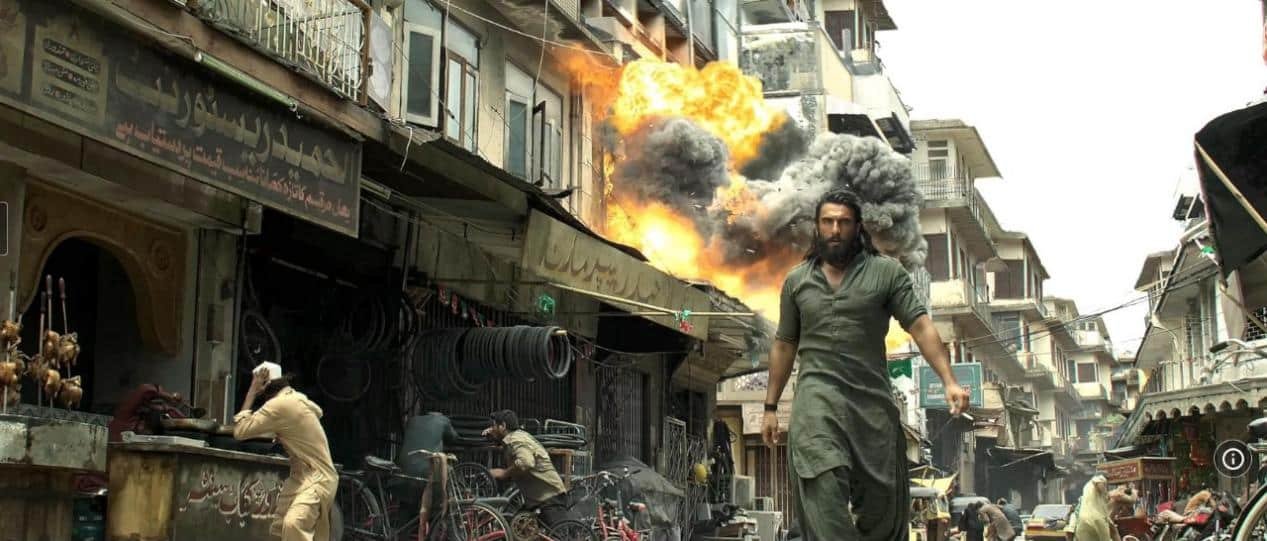
A still from the film Dhurandhar.
Source: IMDB
The Trend of the Triumphant Narrator
Dhurandhar must be viewed not in isolation, but as the inevitable next step in Bollywood’s post-9/11 evolution, particularly since the shift toward overt nationalist filmmaking in the last decade.
For decades, Indian cinema maintained a precarious balance, oscillating between outright hostility (think films like Border and Gadar: Ek Prem Katha in the early 2000s) and brief, often token, gestures towards peace (like Main Hoon Na or Veer-Zaara). However, in the contemporary landscape, that balance has completely vanished.
The prevailing trend is one where the narrative purpose is not to explore geopolitical complexity, but to celebrate the perceived triumph of the Indian state. Films like Uri, The Kashmir Files, and The Diplomat have built a successful commercial model based on leveraging historical or regional conflicts, often simplifying the Muslim and Pakistani identity to that of the terrorist, the deceptive handler, or the villain whose sole purpose is to undermine India.
This formula relies on three key tropes:
The Uniformed Caricature: Pakistani intelligence officers (usually ISI) are shown as monocle-wearing, Urdu-spouting sadists.
The Scenographic Stereotype: Pakistan is perpetually depicted in sepia tones, either as a lawless desert landscape or a dingy, perpetually hostile urban alleyway, devoid of normal life, fashion, or culture.
The Burden of Proof: Even when a ‘good’ Pakistani character is introduced, their entire arc is predicated on proving their loyalty to India or helping an Indian protagonist, reinforcing the idea that Pakistanis exist only in relation to Indian security interests.
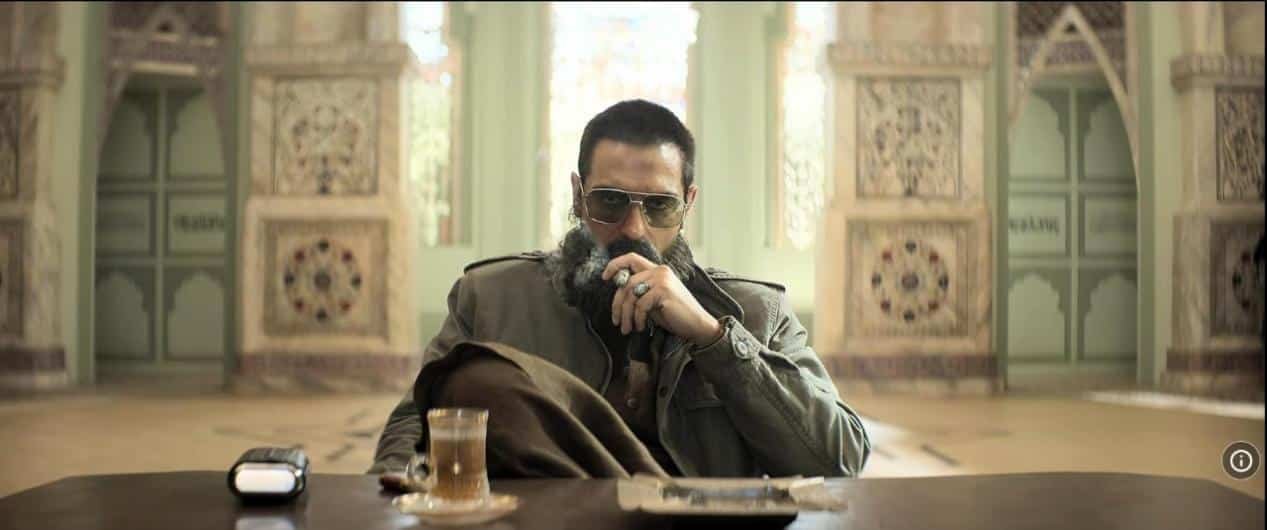
A still from the film Dhurandhar.
Source: IMDB
The Impact: Deepening the Divide
The continuous stream of these cinematic assaults does more than just provoke outrage in Pakistan; it serves a much deeper, more insidious function. Cinema, as a powerful cultural tool, has an undeniable role in shaping global perceptions and domestic attitudes.
By constantly framing Pakistan as a monochromatic enemy state, a source of unrelenting terror whose existence is solely dedicated to bleeding India, Bollywood contributes significantly to the widening cultural and political chasm between the two nations. This narrative filters into the discourse, influencing the youth who consume this content, potentially hardening stereotypes and promoting prejudice where understanding is desperately needed.
It strips away the humanity of 220 million people, replacing them with a simplistic villain who provides the perfect dramatic foil for the heroic RAW agent.

A scene from the film Dhurandhar.
Source: IMDB
A Call for Complexity
As audiences, even within India, show signs of fatigue with this one-note nationalism, as evidenced by the mockery and criticism leveled at Dhurandhar’s sensationalism on social media, perhaps there is hope for a change in storytelling.
It is time for filmmakers to move past the immediate political dividend and embrace the far more challenging, yet rewarding, path of complexity. The stories of conflict, espionage, and human experience between these two nations are rich enough to be told with nuance and respect. Until then, films like Dhurandhar will remain not cinematic achievements, but disappointing reminders of a warped narrative that prefers simplistic propaganda over engaging truth. The canvas of South Asian cinema deserves better than these tired, monochromatic caricatures.