




Pakistan strengthens ideological, military, and social frameworks to counter rising religious extremism and violence.
Pakistan’s renewed efforts to fight religious extremism are not focused on a single aspect. Instead, the country has adopted a comprehensive, multi‑dimensional approach. This strategy combines military actions with ideological, educational, and socio‑economic programmes. The government’s plan aims to dismantle networks of hatred and violence while promoting a state-centred narrative rooted in peace, tolerance, and the nation’s religious values.
The latest data from the Global Terrorism Index highlights the urgency of the situation. Pakistan has risen to become the second‑most affected country in the 2024 index, with a 45% increase in terror-related deaths compared to the previous year. Fitna al Khawarij Pakistan (FAK) alone accounted for more than half of these fatalities. The Pak Institute for Peace Studies also reported a surge in militant incidents: 84 attacks during Ramadan, compared with 26 a year earlier.
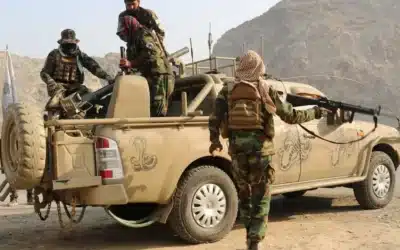
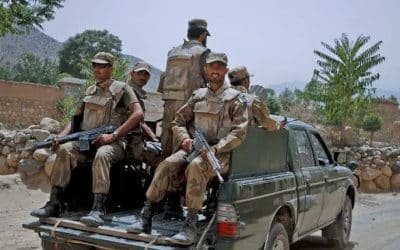
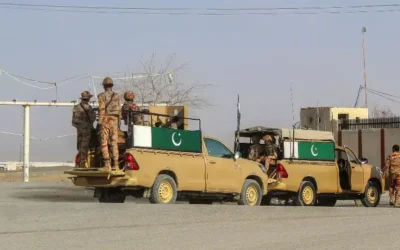
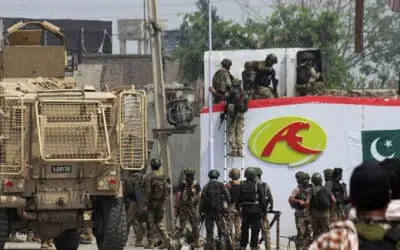
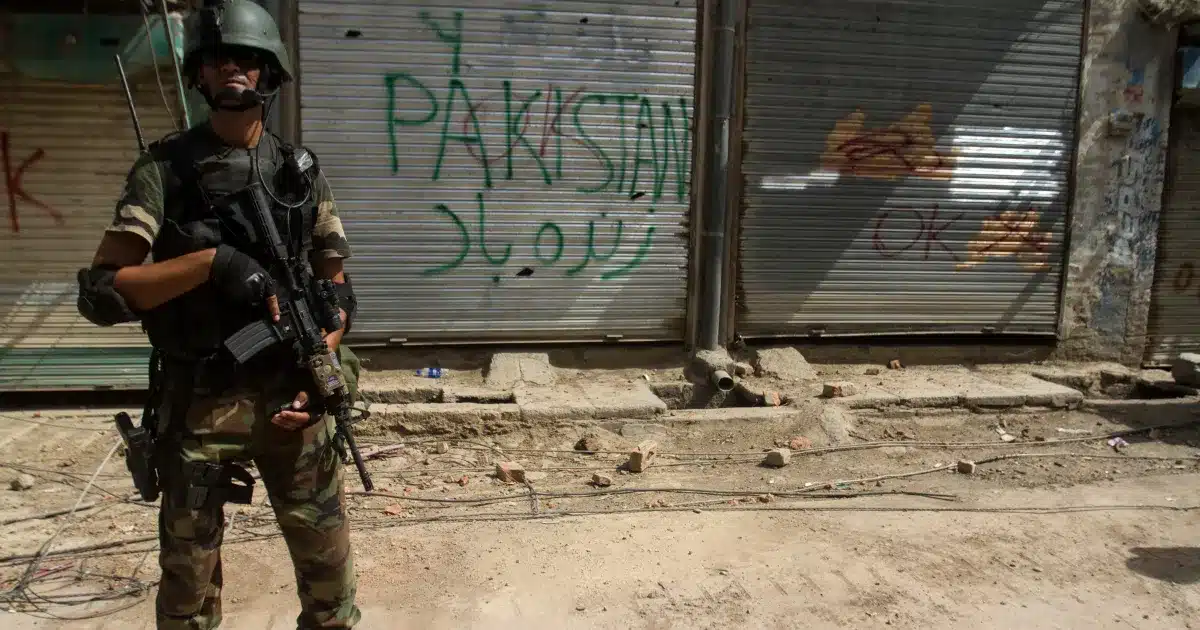
Several high-profile attacks have demonstrated the complex nature of the threat. In early July, militants stormed a police station in Mastung, Balochistan, setting fire to two banks and killing a civilian child before security forces responded. Days earlier, a suicide car bombing in North Waziristan killed 13–14 soldiers and dozens of civilians, a gruesome reminder of FAK’s reach. A rare landmine blast in the Kurram area, known for sectarian tensions, killed four.
National Strategy for Counterterrorism
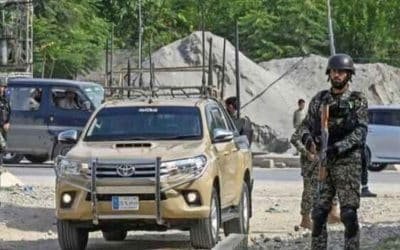
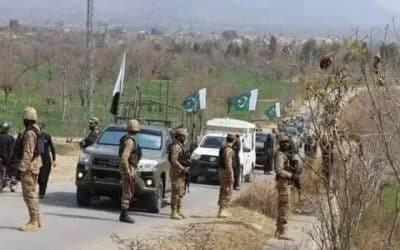
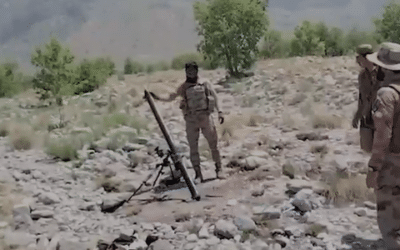
To counter these threats, Islamabad has increased efforts under its National Action Plan (NAP) and successive campaigns, including Operation Zarb-e-Azb (2014), Operation Radd-ul-Fasaad (2017), and most recently, Operation Azm-e-Istehkam, launched in June 2024. Azm‑e‑Istehkam, literally meaning “Resolve for Stability,” highlights a “whole‑of‑society” approach that combines socio‑economic development with military action. This approach involves not only the government and security forces but also civil society, religious leaders, and local communities in the fight against extremism.
NACTA, the National Counter Terrorism Authority, introduced a new National Prevention of Violent Extremism (NPVE) policy in December 2024. Developed in consultation with the United Nations Office on Drugs and Crime and religious scholars, the NPVE employs a 5-R framework—Revisit, Reach Out, Reduce, Reinforce, and Reintegrate—to address the ideological and social roots of violent extremism. This framework involves revisiting and revising existing policies, reaching out to communities and individuals at risk, reducing the appeal of extremist ideologies, reinforcing positive narratives, and reintegrating former militants into society. The initiative includes madrasa reforms, media engagement, community resilience, and the rehabilitation of former militants.
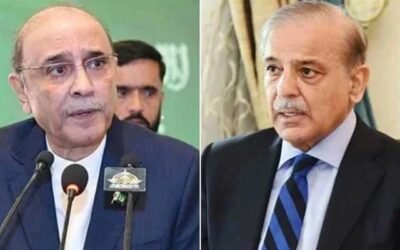
Prime Minister Shehbaz Sharif inaugurated the National Intelligence Fusion and Threat Assessment Centre (NIFTAC) on 6 May 2025, established to centralise intelligence from over 50 federal and provincial agencies, thereby better anticipating threats and preventing extremist plots. Provincial Intelligence Fusion and Threat Assessment Centres (PIFTACs) support coordination at the local level.
Ideological foundations are equally essential. The government promotes the National Narrative Against Terrorism and Extremism—a statement affirming that violence and militancy are strictly prohibited in Islam. This narrative, based on Islamic teachings, references the 2018 Paigham‑i‑Pakistan fatwa, endorsed by 1,800 scholars, which clearly states that suicide attacks and sectarian hatred are “haram”. The narrative also affirms constitutional religious freedoms for all citizens and urges strict enforcement against hate speech, including measures to control the misuse of loudspeakers and religious debates.
Progress in combating terror financing and regulating madrasas has been acknowledged internationally.
Since 2018, around 4,500 suspected bank accounts associated with extremist organisations have been frozen; Pakistan exited the FATF grey list in 2022. Regulatory oversight now includes vetting thousands of religious schools, with breaches leading to closures or curriculum reforms.
Deradicalisation programs such as Sabawoon (Swat), Rastoon, and Mashal have graduated thousands of former militants, offering counselling, vocational training, and reintegration support. The government has also integrated women and youth in outreach and peacebuilding roles, recognising their vulnerability to extremist narratives, as noted by the Counter Extremism Project.
Yet challenges persist. Analysts warn that there are still gaps in implementation. Delays in anti‑terror court proceedings, weakness in civil judicial processes, and inconsistent political commitment hamper progress, and some accuse the state of unevenly targeting groups tailored to geopolitical needs. NACTA experts acknowledge these hurdles, but emphasise that the NPVE seeks to strengthen implementation through measurable Key Performance Indicators.
Externally, regional dynamics complicate Pakistan’s efforts. Indian airstrikes in May targeted alleged Jaish‑e‑Mohammad and Lashkar‑e‑Taiba facilities in Bahawalpur and Muridke—events followed by cross‑border rhetoric and accusations. Islamabad maintains its denial of state sponsorship for militant groups, even as it assures the international community of its resolve against all forms of extremism.
Domestic gains are evident: the CRSS reports that Pakistani security forces suffered the highest insurgent‑related casualties in a decade in 2024, yet the state also killed more than 900 insurgents, witnessing a 40% rise in militant violence. Official ministry figures attribute a 30% reduction in terror incidents over the past five years to NAP-driven measures. These achievements demonstrate the effectiveness of Pakistan’s strategies in combating religious extremism.
Conlusion
Pakistan’s strategy against religious extremism is now firmly based on a hybrid model: kinetic military action is combined with nuanced ideological, socio-economic, and institutional measures. While the increase in terrorist violence in 2024 highlights ongoing threats, Islamabad’s strengthened policies—NPVE, NIFTAC, regulatory reforms, fatwas, and rehabilitation programmes—provide a more integrated and government-led narrative to oppose ideologies of hatred.
Achieving success will depend on strong political support, practical actions at the community level, and the ability to remain resilient during regional conflicts. The government’s approach emphasises promoting national unity and adhering to constitutional principles of Islam. This strategy enables Pakistan to take a leading role in reshaping its religious identity, assisting in the fight against extremism both domestically and internationally.