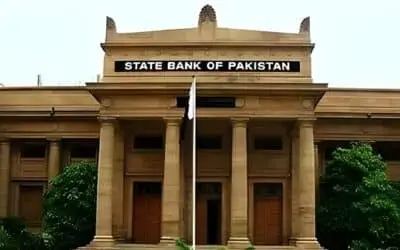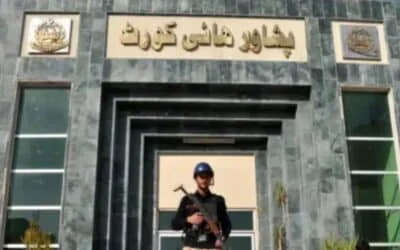



In today’s Pakistan, rumors travel faster than truth. Many of these are not harmless gossip. They are part of planned online attacks on the country’s main institutions — the military, judiciary, and parliament. These lies aim to break public trust and create doubt.
Disinformation as a Weapon
Disinformation means false or misleading information spread on purpose. In Pakistan, it is now a common tool for hostile foreign actors and certain domestic groups. Social media gives these campaigns speed and reach.
In the past, false stories took days to spread. Today, they can go viral in minutes. During tense times with India, bot networks have spread fake news about army operations. They have used doctored videos, false images, and made-up quotes to make the military look weak.
How Trolls and Fake Influencers Spread Lies?
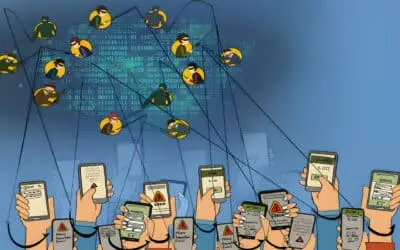
Troll farms and fake influencers lead these online attacks. Many accounts pretend to be ordinary Pakistanis, but are often run from outside the country. They post harmful content, target public figures, and push hashtags meant to trend.
During the 2022 political crisis, hundreds of accounts posted the same false “army vs. judiciary” story within minutes. Investigations later showed many of these accounts were linked to networks outside Pakistan.
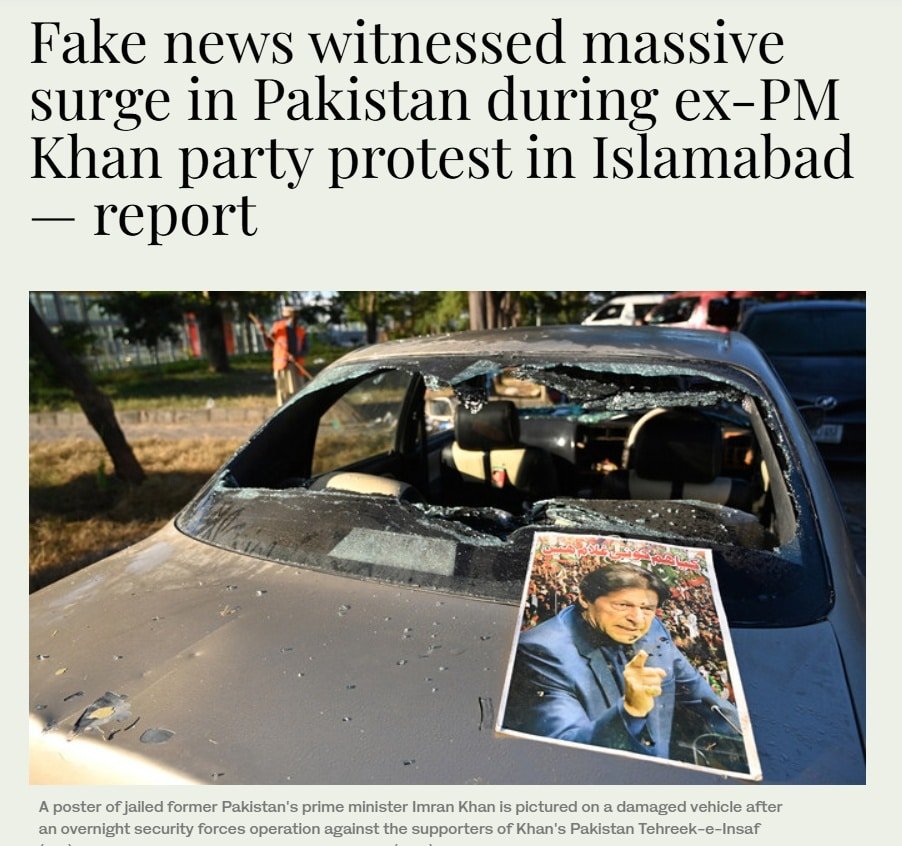
Source: Arab News
Targeting the Military
The Pakistan Armed Forces are a top target. Fake stories about disagreements within the ranks, made-up corruption scandals, and false casualty numbers after operations are common tactics.
In one case, an audio clip claimed to be a conversation between two senior officers. Forensic checks proved it was stitched together from unrelated recordings. But by then, millions had already heard it.
You May Like To Read: Smart Cities and the Real Pakistan: Whose Future Are We Building?
Attacks on the Judiciary
The judiciary has also faced similar online attacks. During big cases involving political leaders, fake court orders and forged verdict documents have been spread online. The aim is to make the courts seem biased or under pressure.
In 2023, a widely shared PDF claimed to be a leaked Supreme Court judgment on an election petition. The court called it fake, but not before it caused confusion and heated debate.
Parliament Under Fire
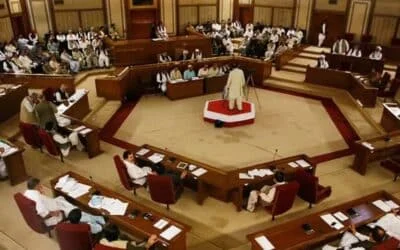
Parliament is also targeted. Fake news about secret deals, illegal amendments, and vote-buying is often shared to make lawmakers seem corrupt.
A notable and verified example occurred during the PTI protests in Islamabad (November 2024). The Fake News Watchdog reported a sharp spike in disinformation at that time—fabricated videos, fake quotes attributed to officials, and misleading reports about arrests and casualties circulated widely. These distortions inflamed tensions and created confusion, showing how fast political rumors can spread online.
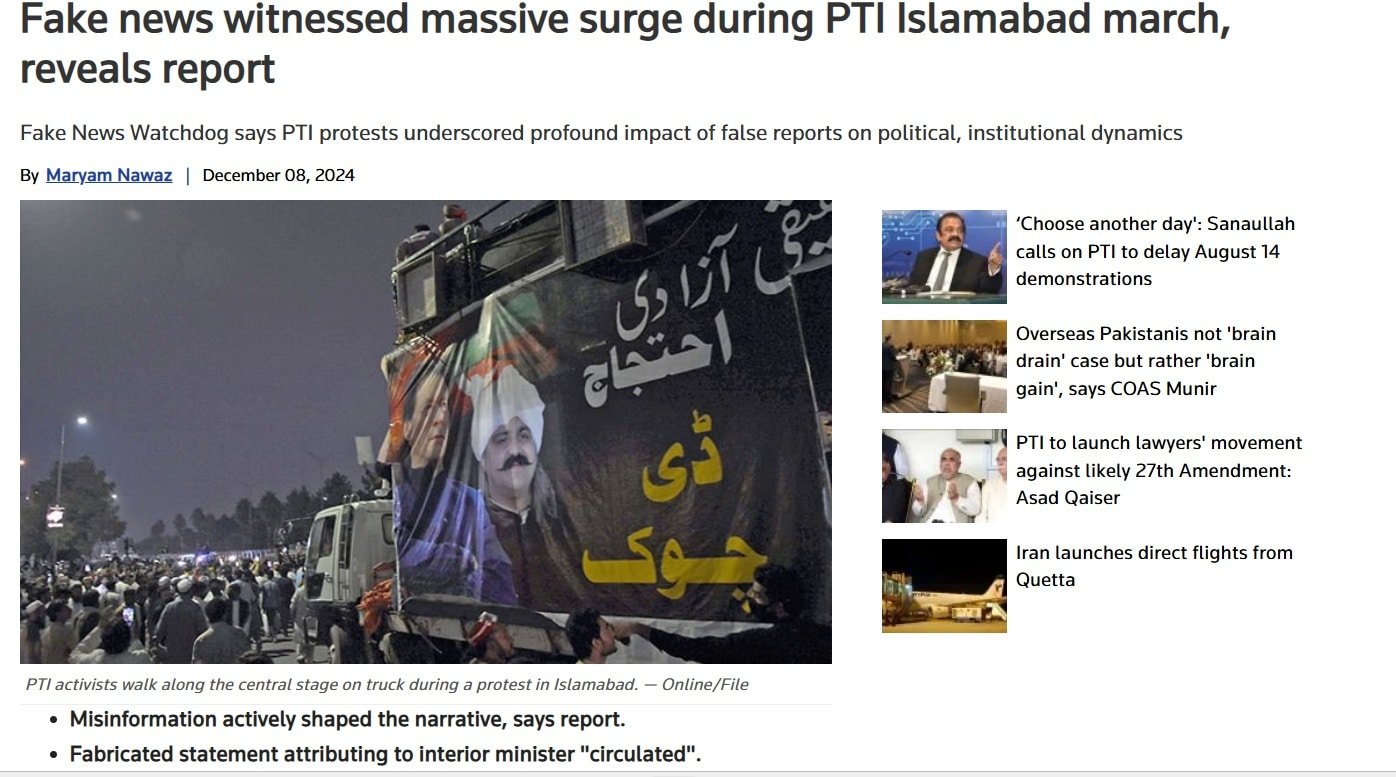
Source: Geo News
Psychological Warfare and Morale
These attacks are part of psychological operations (PsyOps) meant to weaken morale and create mistrust between people and the state. When citizens start doubting every official statement, it becomes easier for enemies to push their own stories.
After a terror attack in Balochistan, false reports online claimed security forces had “stood down” on purpose. The goal was to suggest incompetence or betrayal, even though official investigations proved otherwise.
You May Like To Read: Countering Indian Lobbying on Kashmir at the UN
The Role of Foreign Networks
Many of these campaigns are linked to foreign intelligence agencies and hostile media outlets. These groups fund and guide online teams to create and spread anti-Pakistan content. They often use domestic political divisions to make their lies seem local.
Researchers found that some anti-military hashtags in 2024 actually started from coordinated networks in Afghanistan and India. Domestic users later picked them up, thinking they were part of a local debate.
Restoring Public Trust
To fight these attacks, Pakistan needs more than just fact-checking after the damage is done. A strong defense means using law, technology, and public awareness together.
- Rapid Response Teams – State institutions can run official social media teams to correct false stories within minutes.
- Digital Literacy – Schools and universities can teach students how to check sources and spot fake accounts.
- Work With Platforms – The government can partner with X, Facebook, TikTok, and YouTube to remove harmful content quickly.
- Stronger Laws – Under PECA, those who create or spread harmful lies against national institutions should face legal action.
Protecting the Foundations of the State
Pakistan’s military, judiciary, and parliament are the pillars holding the nation together. Attacks on them through lies are not small political tricks — they are planned moves to weaken the country.
You May Like To Read: Five-Nation Statement Condemns Israel’s Planned Gaza Offensive
In a region full of security challenges, unity between institutions is vital. When enemies — inside or outside — push falsehoods, they aim to shake Pakistan’s stability. These lies destroy trust, divide society, and make people question their own state.
Strong defenses can stop this. Pakistan needs a tough legal framework, fast communication from official channels, and a public that knows how to spot false content. Citizens must question suspicious posts, check reliable sources, and reject content designed to divide.
State institutions must stay open and responsive so that fake stories lose power. If people trust that they will hear the truth from official channels, lies will spread less.
The fight for truth is not only on social media — it is also in the minds of every Pakistani. Protecting national institutions from lies means protecting the nation’s future. In the digital era, truth is a weapon of national security, and every citizen is part of the defense.