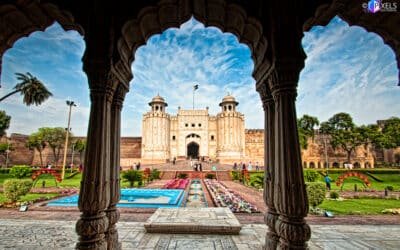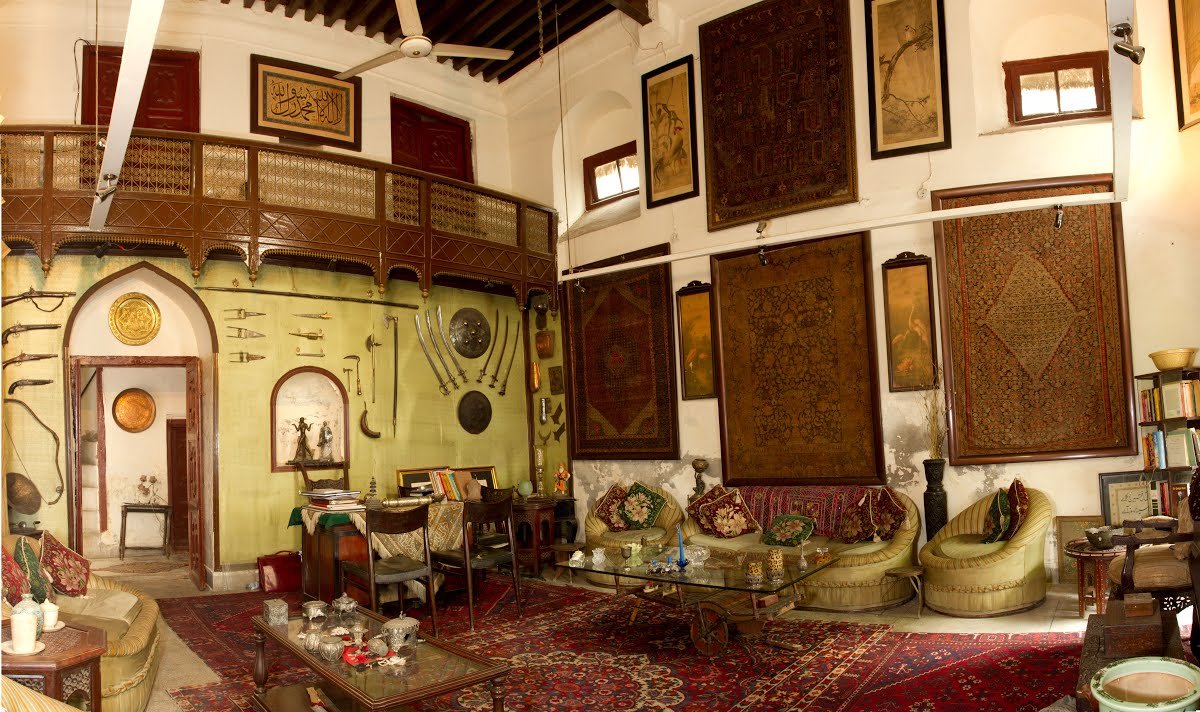





Most visitors to Lahore do the Fort, Badshahi Mosque, and Wazir Khan, then head to Food Street. Faqir Khana sits a short walk from all of them, and it tells you more about how the city worked in the nineteenth century than any of them do.
Finding it
The museum is in Kucha Faqir Khana, off Bazaar Hakiman, inside Bhati Gate. It’s an old haveli in a residential lane, and the entrance is easy to walk past. Don’t try to drive in. Take a rickshaw to Bhati Gate and walk the last stretch, or come on foot from Wazir Khan. Allow extra time, because the alleys eat minutes.
A family’s collection
The museum belongs to the Fakir family. Two brothers, Fakir Syed Azizuddin and Fakir Syed Nooruddin, served as ministers in the court of Maharaja Ranjit Singh. Part of the collection consists of gifts from Queen Victoria and from Ranjit Singh to these two brothers. That single fact says a lot about Punjab in the 1800s. Muslim ministers served a Sikh ruler, who dealt with the British and traded gifts with them, all out of Lahore.
The Sikh empire fell to the British in 1849, but the family kept the objects and kept adding to them. They opened the collection to the public in 1901, and it’s now run by the seventh generation of the family, with some government funding toward upkeep. Sources disagree on details like the building’s earlier history, so treat the older origin stories you’ll read online with some caution. Ask your guide what the family itself says.
What’s inside
The collection runs to roughly 20,000 pieces from the 18th to the 20th century. It includes miniature paintings, Islamic art, Chinese porcelain, Persian carpets, woodwork, coins and fabric. There are also Sikh-era textiles, ivory pieces and manuscripts. The paintings cover Mughal, Kangra, Pahari and Persian schools, so you can see how styles moved across the region, and how the Punjab hill courts and the Mughal ateliers borrowed from each other.
The Hall of Miniatures is worth slowing down for. It shows how a well-off Lahori household lived once European taste started leaking into its rooms. You’ll notice Western furniture and framing sitting beside older Persian and Mughal pieces.
The tour is the point
This isn’t a walk-and-read museum. A family member usually takes you round, and Fakir Saifuddin is the name most often associated with these tours. He tells the story of the collection and the city through the objects, much of it passed down orally in the family. Some of it you won’t find on a label. Ask questions, but let him get through a room before you do.
Go with real interest. One reviewer put it bluntly: visit only if you care about art, history or architecture, so you don’t waste the family’s time. That’s fair advice. If you’re ticking off a list, skip it and give the slot to someone who’ll appreciate it.
Timings, entry and booking
The one rule that matters: it’s appointment-only, with hours typically listed as 10 AM to 5 PM. The days are less clear. One source says Tuesday to Sunday with Mondays closed, a Tripadvisor reviewer says Monday to Saturday, and another listing says every day. Don’t trust any of them for your specific date. Call ahead and confirm the day and time when you book.
Entry has no fixed price. It’s free, but donations are welcome and go toward preservation. Bring some cash and give what you can. Book at least a few days ahead, and if you’re visiting on a tight itinerary, book a week out. You can arrange it by phone with the museum, or through the Walled City of Lahore Authority.
Practical points:
- Staircases are narrow and floors uneven, and there’s no wheelchair access. Tell them beforehand if anyone in your group has trouble with stairs.
- Dress modestly. You’re in someone’s family home as well as a museum.
- Ask before photographing anything. Rules can differ room to room.
- Plan on about an hour, more if your guide is in a storytelling mood.
Why it matters
Lahore has state museums with bigger halls, and the Lahore Museum on the Mall holds more. But Faqir Khana shows something they can’t: how one family lived through Sikh rule, British rule and Partition, and kept the evidence. The collection reflects a Lahore where Persian, Sikh, Mughal and British influences overlapped in daily life, in the same rooms.
That’s also why it’s fragile. A private collection in a Walled City lane depends on one family’s time, money and patience. Visiting, donating, and treating the tour with respect are a real contribution to keeping it open.
Pairing it with the rest of your day
Do Faqir Khana for the morning slot. Then walk to the nearby Wazir Khan Mosque and Shahi Hammam. In the afternoon, you can take a rickshaw to the Badshahi Mosque and the Fort. Eat in the Walled City, not the tourist strip. Kucha Faqir Khana is so quiet that after an hour you’ll feel like you saw another Lahore than the one on the postcards.